Author: RDN
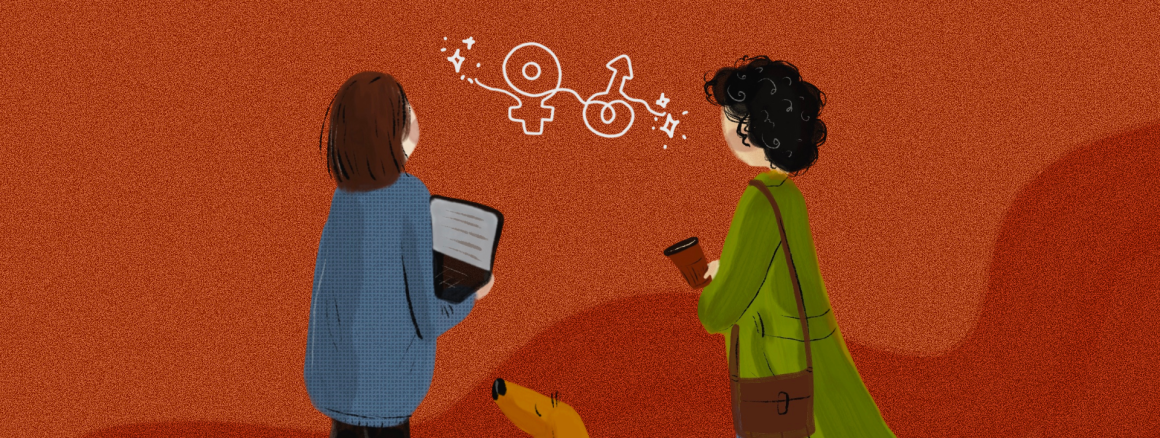
Deletion of the term gender identity from the Criminal Code of the Republic of Srpska
November 27, 2024
The initiative was launched due to incorrect information and prejudice
In its 11th session held on 30 October 2024, the National Assembly of Republika Srpska (RS) adopted the Law on Amendments to the Criminal Code of Republika Srpska, which replaces the words “gender identity” with the words “other personal characteristics”. The words “gender identity” are deleted from all three articles of the Criminal Code contained in this bill, namely articles 123, 139 and 359.
This amendment was met with much criticism from the public, especially human rights defenders. Many recognised in these changes wider efforts to limit the protection of the rights and freedoms of LGBTIQ+ persons, especially in the territory of Republika Srpska. The initiative also gave rise to an international response. In their open letter, two United Nations experts – the Independent Expert on protection against violence and discrimination based on sexual orientation and gender identity and the Special Rapporteur on the situation of human rights defenders – expressed their concern “that the amendments could also reduce the scope of application of article 139(2), which specifically refers to individuals and organisations advocating for equality. This could potentially impact human rights defenders and civil society organisations that are engaged in the promotion and protection of the rights and equality of persons of diverse gender identities, as well as reduce protection grounds in case they are targeted in retaliation for their legitimate human rights and advocacy work”.
Why is the Criminal Code being changed?
The law itself does not explain the reasons for this amendment, except to state that the provisions related to gender identity are hereby corrected and that additional harmonisation with the provisions of the Constitution of Republika Srpska is carried out.
According to the available information, the initiative to amend the Criminal Code came from SNSD (The Alliance of Independent Social Democrats) MPs and coalition partners. According to Srđan Mazalica, a member of the party in the National Assembly, it was the result of discussions with associations that fight for the protection of the family.
A discussion of the members of the National Assembly that preceded the adoption of this law demonstrated that there is clearly a misunderstanding of the purpose of the provisions of the Criminal Code of the RS leading to mentions of “undesirable European values”, “gender changes and, consequently, ‘’manipulations on electoral lists” – attitudes that this is the result of psychological issues of people and the like. Finally, in the context of this conclusion, it is important to mention other decisions of the Government, such as the withdrawal of the proposed Law on Protection from Domestic Violence and Violence against Women and the initiative of the Citizens’ Association “Roditelji ZA prava djece” (Parents FOR Children’s Rights) in Bijeljina, based on which the RS Constitutional Court found that the term/word “Gender” in the Decision on the establishment of the Gender Centre of Republika Srpska is not in accordance with the Constitution of Republika Srpska.
From all of the above, it can be concluded that there is no legal argument to support the need to remove the concepts of sex, gender identity and gender in the regulations, but that the solutions are largely based on a misunderstanding of the scope of the law. It is still worrisome that the RS Government and later the RS National Assembly succumbed to the influence of these initiatives and, without any real foundation, decided to accept these initiatives, primarily undermining the authority of the democratic institutions of RS, but also contributing to the issue of legal uncertainty.
The reasons for this conclusion can be derived from the discussion of several key arguments that were used before, during and after the discussions on these topics, namely: the phrase “gender identity” does not have a foundation in the RS Constitution, the goal of introducing the concept of gender identity into the Criminal Code is to collapse the institution of the family and enable various manipulations, and finally, the amendments to the Criminal Code reduced the protection against crimes motivated by hatred.
Gender identity does not have a foundation in the RS Constitution
The fact is that gender identity is not explicitly stated as a discrimination basis in Article 10 of the Constitution and that the list of prohibited grounds is not final, which is confirmed by the use of the word “other personal characteristics “. In the wording of Article 10, standards are used that are present internationally as well as in Bosnia and Herzegovina and as a rule consist of several explicitly stated prohibited grounds and the wording that extends the prohibition of discrimination to “other status” (Article 14 of the European Convention on Human Rights, Article II. 4 of the Constitution of Bosnia and Herzegovina, Article 26 of the International Covenant on Civil and Political Rights).
Contrary to the explanation of the amendments that this is an additional harmonisation with the RS Constitution (which points to the position that “gender identity” does not have a foundation in the RS Constitution), the proponent of the law is debunked by the preamble of the RS Constitution which confirms that “the constitutional arrangement of Republika Srpska is based on guaranteeing and protecting human freedoms and rights as well as the rights of minority groups in accordance with international standards, prohibition of discrimination”. International bodies have confirmed in their interpretive positions that “gender identity” is one of the bases of discrimination as well as one of the motives for hate crimes. Of particular importance for the legal system of Bosnia and Herzegovina, the European Court of Human Rights in its decisions, including P.V. v. Spain of November 30, 2010, and Identoba and others v. Georgia of May 12, 2015, confirmed that both transsexuality and gender identity fall within the scope of Article 14 of the Convention.
Therefore, it is indisputable that including the basis of “gender identity” in the regulations in RS does not contradict the RS Constitution, that is, it is one of the bases to which the prohibition of discrimination applies and, consequently, the protection against crimes motivated by hatred. Gender identity is already part of the legal system of Bosnia and Herzegovina and the most relevant regulation that the legislator should have kept in mind when considering this initiative is the Law on Prohibition of Discrimination, which explicitly states “gender identity”, as does the Criminal Code of Bosnia and Herzegovina, the Criminal Code of the FBIH and others. Most countries in Europe also specify gender identity in criminal laws in response to the need to prosecute perpetrators of hate crimes.
What was also neglected was the fact that RS Government and the Council of Ministers of Bosnia and Herzegovina gave their consent to adopt the Action Plan on the Rights of Lesbian, Homosexual, Bisexual, Transgender, Intersexual and Queer (LGBTIQ) persons, which was supposed to represent the framework for considering this initiative.
The introduction of the concept of gender identity does not collapse the institution of the family and does not allow for manipulations
Stating different grounds for protection against discrimination and motives for criminal offences in the regulations of a state is aimed at determining the possibility of protection against discrimination and protection of victims of crimes committed out of hatred. The RS Criminal Code established that gender identity can be one of the motives for committing e.g. a qualified form of grievous bodily harm (committed out of hatred). Therefore, its only goal is to protect the victims of this and other offences.
Any other interpretation is incorrect and constitutes false information. There is absolutely no evidence that protection against discrimination or hate crimes is causally related to other social processes, including the institution of the family, which is being referenced in connection to the amendments to the Criminal Code.
We should not forget that incorrect and similar interpretations were recorded in other European countries (e.g. the “In the Name of the Family” Initiative in Croatia). These initiatives are motivated by a misinterpretation of the purpose of the Council of Europe Convention on preventing and combating violence against women and domestic violence (Istanbul Convention) and its Article 3, which explains that violence against women and domestic violence is gender-based and defines the concept of gender. The connection between gender and social roles and violence against women and domestic violence has been repeatedly examined and confirmed by numerous analyses, and this connection is stated in the Istanbul Convention for a reason.
Amendments to the Criminal Code do not reduce protection against crimes motivated by hate
Regardless of the lack of argumentation of the initiative, the proposed amendments to the RS Criminal Code with the use of the term “other characteristics” de jure expand protection against crimes committed out of hatred, including those committed on the grounds of gender identity. In this respect, the statements from the RS Government and National Assembly that the scope of application of the RS Criminal Code is hereby extended to all persons who may be victims of a hate crime due to their personal identity are correct. These can be, in addition to those explicitly stated, grounds such as political or other beliefs, property status, membership in a trade union or other association, education, social position and gender characteristics that are contained in the Law on Prohibition of Discrimination and which could not be previously recognised as a motive for a crime committed out of hatred.
Actual consequence: decreased trust in democratic institutions and legal certainty and stigmatisation of LGBTIQ+ persons
In conclusion, the purpose of amendments to the RS Criminal Code is set with a reason. This short analysis leads to the conclusion that the initiative was launched based on unfounded positions that seem to be based on incorrect information and prejudices towards the concept of gender and gender identity without being grounded in the constitution and law. In this situation, the RS Government and National Assembly showed their willingness to justify this initiative by basing their arguments on the RS Constitution, which turned out to be incorrect. Why this initiative has such an influence on the Government’s decisions is not entirely clear. Nevertheless, the decision of the RS Government to propose a de jure expansion of the grounds that also include gender identity is partly encouraging.
The real negative consequences of the adoption of this initiative are an additional decrease in trust in the work of democratic institutions, a decrease in legal certainty and, very likely, an additional increase in negative attitudes towards LGBTIQ+ people. It is quite likely that these findings will be noted in the reports on the state of human rights and freedoms in BIH, including the EU report on the progress of BIH.
Author: Adnan Kadribašić
Illustrator: Lana Nikolić
Monthly Monitoring Highlights October: Ethnic division and sexism alongside unprofessional media reporting in the Western Balkans
November 18, 2024
During October, the RDN monitoring team detected a range of hateful narratives and discourse fuelled by ethnic discrimination, anti-LGBTIQ+ rhetoric, sexism and unprofessional media reporting.
Sexism in Kosovo and Montenegro
In Kosovo, a debate was held on TV7+ – a popular television channel in Albania and Kosovo – which focused on the topic of family issues. One of the questions addressed during the debate was regarding the difficulties faced by single mothers and the societal prejudices against them. One participant in the discussion stated that there was no reason to call them single mothers since they receive child support and additional financial aid, suggesting that if they are unemployed, they simply “go out and about”. The editor and host of the debate, Zana Avdiu, responded to this statement, emphasising that no woman simply “wanders around” and that such a comment is insulting. In reaction to her statement, several commentators on social media directed hateful language toward the host. Avdiu has been raising issues concerning women’s rights for the second consecutive year, challenging the deeply entrenched patriarchal attitudes toward women and their unequal roles in families and society. This often leads to sexist and highly offensive comments on social media after each of her programs.
In Kosovo, many couples divorce each year, typically granting custody of minor children to mothers, who face challenges when fathers fail to pay child support. Single mothers, especially those rejected by their extended families or those whose partners have died, struggle with limited shelter options, exacerbating their difficulties and affecting their children’s mental health. The government’s assistance of 20 euros per child per month is insufficient, and in additional to economical challenges, divorced women often face societal stigma, being seen as failures in maintaining their families. This negative bias marred with a lack of empathy and support from the system is often resulting in marginalisation.
In Montenegro, Vesna Bratić, a prominent political figure and former Minister of Education, Science, Culture, and Sports, was the target of death threats, particularly spread on social media platform ‘X’. These threats were made after she received heavy criticism for her views. In response, the Center for Civic Education (CGE) came out and strongly condemned the death threats, calling upon the competent authorities to process the case urgently and thereby, showing that they have zero tolerance towards violence and threats of violence.
Vesna Bratić has been a victim of numerous insults and threats in the past and as a female politician, she is often exposed to misogyny and sexism. Female politicians are frequently exposed to misogyny, facing not only public scrutiny but also death threats and violent rhetoric that their male counterparts rarely endure in comparison. The inequality is clear, with their political positions often undermined by gender-based discrimination. Furthermore, this discrimination is coupled with a lack of adequate responses from authorities, who often fail to pursue appropriate legal action or offer sufficient protection. The absence of serious legal repercussions for such threats further exacerbates the inequality female politicians face.
Anti-LGBTIQ+ rhetoric in Albania
On the 14th of October, several articles and the TV program Kafe Shqeto on Syri TV covered the news about the approval of the Guideline on the Implementation of the Social Housing Loan Interest Subsidy Program in the Municipality. The focus of the coverage was on how the LGBTQ+ community is perceived as benefiting more from soft loan programs due to an additional 2 or 3 points awarded to LGBTQ+ individuals in the point system. While these articles and programs may not use inflammatory language, framing the issue as an ‘unfair advantage’ for LGBTQ+ individuals in a highly patriarchal society risks reinforcing negative stereotypes and fostering resentment toward this vulnerable group.
To better understand why this portrayal is misleading and could contribute to discrimination, we need to understand the point, legal framework and the patriarchal context in Albania.
According to the Guideline on the Implementation of the Social Housing Loan Interest Subsidy Program, the primary objective of the law is to support vulnerable and marginalised groups who struggle to secure housing on their own. This includes various groups such as young couples (under 35 years), single mothers and women victims of domestic violence, minorities such as the Roma and Egyptian communities and the LGBTIQ+ individuals, among others.
The law aims to provide equitable housing access to groups facing systemic barriers, such as discrimination or safety concerns. Isolating the LGBTIQ+ benefit without considering the overall purpose of the point system distorts the law’s intent and fosters the spread of anti-LGBTIQ+ sentiments.
In the official point system, LGBTIQ+ individuals receive an additional 2 or 3 points, but other criteria weigh much more heavily, such as the status of an orphan and being up to 30 years old (6 points), being a victim of domestic violence / victim of trafficking / possible victims of trafficking (8 points) and member(s) of the Roma / Egyptian minority (8 points)
While LGBTQ+ individuals may gain a few extra points, this is not enough to claim they have an unfair advantage over other groups, especially taking into consideration their overall socially disadvantaged position. Other applicants, such as those from larger families, victims of domestic violence, or low-income earners, can receive significantly more points, making it misleading to imply that LGBTQ+ individuals dominate the process.
In a patriarchal society, emphasising LGBTIQ+ benefits without context can fuel misconceptions and negative sentiment. Claiming that “heterosexual couples have fewer chances” compared to LGBTIQ+ individuals may reinforce biases and breed resentment toward the LGBTIQ+ community resulting in further discrimination.
The articles highlight LGBTQ+ individuals as the primary beneficiaries of soft loan programs, often using sensational language that overlooks other groups or minorities who also benefit from this system. Some media outlets like Syri, Ditar, Boldnews, Bota sot and Joq Albania used headlines in the articles emphasising the LGBTQ+ community as benefiting more from soft loan programs, often using sensational phrasing. This selective focus misrepresents the program, suggesting an unfair advantage for LGBTQ+ people and fuelling negative sentiments. Media outlet Joq Albania used an image showing two men kissing, which further amplifies the sensationalisation of the topic. Even if the language in the article appears neutral, pairing it with an image that over-emphasises sexuality can serve to distract from the real issue, which is about housing support for marginalised communities. The image shared and posted by Joq Albania garnered significant reach and attracted numerous hate speech comments.
Ethnic hatred in Serbia and North Macedonia
The Radio Television of Serbia organised “RTS Cross”, an international running competition for children. Abdulah Šehović, a Bosniak boy from Novi Pazar, Serbia, won the 500-meter race for first graders, however, the media reported that he did not climb the winning podium as there was supposedly “only room for Serbia and children”.
RTS then went on to apologise for the “technical error” with social media users commenting on how this case highlights ethnic discrimination present within the country. However, as it was later confirmed by Radio Beograd journalist Miloš Panić who reported from the event, the whole case was actually based on disinformation.
Panić explained the situation and provided a photo from the official website of RTS, where Abdulah is seen on the podium after receiving his medal. It is unclear why RTS apologised, as what they were accused of did not actually happen. After Novi Pazar portals published these texts, many different media outlets from Serbia and Bosnia and Herzegovina picked up on the story and reported on this as well, failing to check the facts before republishing the (dis)information. This uncritical approach, without necessary fact-checking, led to disinformation about this event spreading in both countries. Some BiH media used clickbait headlines referring to the case as a “scandal”.
Fact-checking is a cornerstone of responsible journalism. Without it, we risk amplifying misinformation and disinformation that can mislead the public and fuel harmful narratives and, in this case, ethnic division. Media outlets must uphold professional standards, and this example shows how harmful the lack of ethical standards and the combination of disinformation and polarising discourse can be.
In North Macedonia, on October 23, 2024, Bilal Kasami, leader of the Besa movement and a member of the Albanian coalition Vredi within the Macedonian government, sparked controversy with his statement during a speech in Debar, where he declared that the city is part of “natural Albania.” This remark provoked heated debates, particularly among opposition politicians who accused Kasami of nationalism. Conservative and pro-Russian media outlets took his statement as an opportunity to further their anti-Albanian rhetoric and gain political traction. Media reporting on the event were filled with hate speech comments including calls for violence
Debar is a city in North Macedonia therefore, calling it a city which is part of ‘natural Albania’ refers to a nationalist rhetoric of ‘Greater Albania’. This ties to the idea of uniting ethnic Albanians in the Balkans into one state incorporating regions of neighbouring countries like Kosovo, parts of North Macedonia, Montenegro and even southern Serbia. This concept is highly controversial and associated with nationalist movements in the region. This rhetoric often exacerbates tensions, fostering animosity and hostility, particularly in multi-ethnic areas. Moreover, the idea of “Greater Albania” is seen by many as a destabilising force, complicating regional cooperation and peace-building efforts in the Balkans. Having a member of parliament spread such rhetoric, only further serves to create divide and tension in multi-ethnic regions of the Balkans. Politicians and individuals with influence and a platform, should be weary of their words and not use their voice to promote nationalist ideas which can heighten tension and act as a barrier to social cohesion and cooperation.
Unprofessional Media Reporting on Domestic Violence in Bosnia and Herzegovina
After information that a singer from Bosnia and Herzegovina, Aldina Bajić, was brutally beaten by her husband Adis Cigura in their home, reached the public, the media reported on this case unprofessionally and unethically. In their coverage of the case, Faktor.ba described the violent scenes and even posted a link to a video with “a note that the video is disturbing”. The report referenced the Agency for Gender Equality’s response, which condemned the violence and shared contact information for support services available to victims. However, this contribution to awareness raising does not diminish the harm done by sharing videos of violence.
Alongside these outlets, other media in Bosnia and Herzegovina reported on the case of domestic violence in an unprofessional manner, sharing personal information about the singer’s life including her medical status. Some media, furthermore, cited statements from her friends who talked about the alleged reasons for the beating which is extremely unprofessional and unethical. Breaching privacy, interviewing an inadequate interlocutor, and sensationalising violence are some of the common mistakes in the media representation of gender-based violence which go against professional standards. Describing violent acts in detail reduces the dignity of the survivor, turns the public into passive observers, traumatises other victims and potentially inspires further violence. Responsible reporting should prioritise the well-being of those affected and avoid sensationalising violence.

TROLL OF THE MONTH: Chairman of the Assembly of Herzegovina-Neretva Canton, Džafer Alić
November 8, 2024
The Balkan Troll of the Month is an individual, a group of individuals or a media outlet that spreads hate based on gender, ethnicity, religion, or other diversity categories. The Balkan Troll is selected based on hate speech incidents identified across the Western Balkans region.
During an interview with Džafer Alić, Chairman of the Assembly of Herzegovina-Neretva Canton, BIR TV journalist asked him if “we are tenants in our own country”. Alić, a member of the largest Bosniak party in BiH (the Party of Democratic Action), replied by saying “I think that we are the owners of this land and that we have unpleasant tenants behind whom we always have to clean, clean, repair, make, build, upgrade.”
This statement, declaring one group as “owners” and others as “unpleasant tenants” reinforces division and discrimination. Alić’s Deputy Chairman at the Assembly, Tomislav Martinović, coming from the largest Croat party in the country (the Croatian Democratic Union of Bosnia and Herzegovina) criticised his statement saying “Before his scandalous statement that one ethnic group, the Bosniaks, is the owner in Bosnia and Herzegovina, and the other two, the Croats and the Serbs, are just unpleasant tenants, if he looked at any property register in Bosnia and Herzegovina, he would have seen that neither the Croats nor the Serbs are tenants, but “their own peoples on their own land”, peoples who have lived here for centuries.” The Central Election Commission of Bosnia and Herzegovina punished the Party of Democratic Action (SDA) for spreading hate speech. The SDA received a fine of 18.000 KM (around 9.200 euros) because of Alić’s statement.
However, this was not the only case of hate speech during the election campaign for local elections on October 6th, 2024. The elections were for mayors and assemblies in over a hundred municipalities and towns in Bosnia and Herzegovina. Among other cases, the Commission also fined the Alliance of Independent Social Democrats (SNSD), the largest Serb party in BiH, and its member and President of the Assembly of the City of Banja Luka, Ljubo Ninković, for his homophobic and sexist statements, for a total of 12.000 KM (nearly 6.150 euros). The Croatian Party of Rights (HSP) was also fined 30.000 KM (roughly 15.300 euros), in response to political posters near the town of Posušje, featuring the slogan “Za dom spremni” (“For our homeland, ready”). This slogan was a greeting used by the Ustasha movement – a far-right, ultranationalist group that came to power in Croatia during World War II under the Independent State of Croatia (NDH), a Nazi-aligned puppet state. “Za dom spremni” was used by the Ustasha as a phrase and slogan to promote their loyalty to a vision of a nationalist Croatian state. This phrase remains deeply controversial and problematic due to its association with the violent and oppressive policies of the Ustasha regime; nonetheless, it continues to be used by nationalist groups across the region. The Central Election Commission also discussed cancelling the certification for participating in the elections for that party entirely but refrained from doing so.
Monthly Monitoring Highlights September: Ethnic and religious divisions alongside sexism in the Western Balkans
October 15, 2024
During September, the RDN monitoring team detected a range of hateful narratives and discourse fueled by religious and ethnic discrimination and sexism.
Religious discrimination in Montenegro
On the 4th of September, portal Borba published an article from the unregistered portal Srpska 24, titled ‘Concert for Nermin – Islamization of Podgorica’, in which ethnic and national insults were directed at Nermin Abdić, the candidate of the Democratic Party of Socialists (DPS) for mayor of Podgorica in the upcoming local elections. The text claimed Abdić is unfit to be a mayor of all citizens of Podgorica because he is Muslim. Additionally, the article contained hate speech and discriminatory views against Muslims and, in general, against religious and national minorities in Montenegro.
Montenegro is an ethnically and religiously pluralistic society. Articles and content such as the piece by portal Borba only serve to further divide communities and spread hate against one another. Islamophobia and hate towards others on religious grounds is never acceptable.
Sexism in Serbia, Albania and North Macedonia
In the Serbian Parliament, when a female opposition MP questioned him about his expensive car, Deputy Prime Minister Aleksandar Vulin deflected the criticism by moving the attention to his admiration for women. Instead of addressing the critique, he chose to trivialise the situation by talking about women as objects of desire and to say that “no one should argue with women”.
This cynical speech only underlined how women are constantly put in a position of ridicule by their male colleagues. Deputy Prime Minister Vulin used his platform and influence to redirect the discussion towards belittling women and highlighting their traditional gender role of merely being pretty and not being taken seriously. By saying “you should never argue with women” he avoided answering her accusation, discrediting her based on her gender, and undermining her role as an opposition MP. During the rest of the debate, opposition MPs made more sexist remarks. Zoran Lutovac commented on Ana Brnabić’s sexuality, and Zdravko Ponoš told Minister Milica Đurđević Stamenkovski to “go make lunch” and “put up curtains,” for which he was fined.
Aleksandar Vulin’s sexist remarks could have been appropriately condemned by fellow MPs. Instead, they escalated the rhetoric with similar comments, turning the debate into a battleground at the expense of women. Such behavior should not be tolerated—there is no place for sexism, whether in political arenas or elsewhere.
In Albania, during a segment on Ftesë në 5 on Top Channel, a panelist referred to Georgina Rodriguez’s clothing as “prostitute clothing”. Only one other panelist objected to the comment, while the host remained silent. The panel discussion centered on Rodriguez’s fashion choices, but it quickly escalated when one panelist made a derogatory remark. The show’s failure to immediately address or condemn the comment raises concerns about the normalisation of harmful language. Top Channel’s coverage of this case focused more on the offensive remark rather than condemning it – using such remarks to capture viewers’ attention, rather than addressing sexism and educating its audiences about its harmful effects.
The unchecked use of sexist remarks and derogatory language, both online and offline, can lead to their normalisation, making such behavior appear justified and acceptable. In moments like these, media outlets like Top Channel who have a large viewership and popularity in Albania should use their platform to counter instances of sexism, especially when spread on air on their platforms. It is both their role and duty.
In North Macedonia, during an interview on ATV, Adelina Tahiri – a popular Albanian signer – spoke about her life, her husband and his child. Tahiri is married to a Macedonian which was utilised to spread a lot of hate against her on social media and in the comments section. Despite not saying anything provocative during her interview, Tahiri was nevertheless attacked on the basis of who she is married to and indeed, his ethnicity.
North Macedonia is an ethnically diverse country, home to both large Macedonian and Albanian communities. However, deep divisions and ongoing hate speech between these two groups persist. Incidents like these highlight how ethnic tensions are intensified, as some individuals seize moments like these to spread hate based on ethnicity.
Ethnic discrimination in Bosnia and Herzegovina and Kosovo
In Bosnia and Herzegovina, specifically in the entity of Republika Srpska, a new addition to the school curriculum was decided on. As a result of this decision, students will be able to learn and explain the importance of the creation of the Army of Republika Srpska. They will also be able to list the most important war operations and goals, structure, and names of the Commander-in-Chief of the Army of Republika Srpska alongside names such as Radovan Karadžić, Ratko Mladić, Momir Talić and Novica Simić, who will be labelled ‘war heroes’.
Many media in the country reported on this new addition to the school curriculum including portal Klix.ba resulting in many reactions. In addition to the information about the new curriculum in Republika Srpska, Klix also reported on the background of the entire case, i.e. the article emphasised that almost the whole leadership that managed the Army of Republika Srpska was convicted of war crimes. It also added that the importance of the judgments of international and domestic courts for war crimes is not recognised in the curriculum, nor is the suffering of other people, or crimes such as the genocide in Srebrenica. Radovan Karadžić and Ratko Mladić were sentenced to life imprisonment, among other things, for genocide. Momir Talić was accused of genocide but died before the verdict was passed. Klix emphasised that the High Representative Christian Schmidt not only has the right and power but also the obligation to take action in such matters because learning based on historical revisionism are what can truly threaten the foundations of peace in Bosnia and Herzegovina. Due to the organisation of the state, Klix pointed out that Schmidt is the only one who has the power to stop the destruction of future generations in Republika Srpska who are at risk of learning history that does not promote humanitarian values but glorifies those responsible for some of the worst crimes in Europe after the Second World War.
Alongside this, a popular travel blogger in Bosnia and Herzegovina Robert Dacešin, who is from Banja Luka, published a post on his social media platforms about the new textbooks in Republika Srpska and allegations that war criminals Radovan Karadžić and Ratko Mladić will be mentioned as heroes. His post resulted in numerous insults being directed towards him, with some calling him derogatory names and some even cursing him. Some commented that they would no longer follow him on social media and that he should have mentioned the Serbian victims, accusing him of being one-sided, given that he mentioned victims in Srebrenica in that post. People like Dacešin, who voice their opposition to such actions as those taken in Republika Srpska, are often scrutinised for it by their own community and portrayed as “traitors”.
Following his post, ATV, a television station in Republika Srpska, released a statement saying it was “shocked by the statements and attitudes of the travel writer from Banja Luka” and that is has decided to end cooperation and broadcasting of his series.
Politicians from Republika Srpska often deny or relativise the genocide in Srebrenica. Media from the entity also play a key role in shaping attitudes about the genocide in Srebrenica among citizens, as shown by a report of the Srebrenica Memorial Center.
In Kosovo, tensions have escalated in the north of the country between the Albanian and Serb communities. “Homeland associations” from northern Kosovo blocked four border crossings with Serbia and Montenegro, leading Kosovan authorities to shut them down due to the presence of masked individuals. Foreign Minister Donika Gërvalla warned that borders would remain closed until these individuals withdrew, calling on NATO to prevent Serbian President Aleksandar Vučić from escalating tensions. Despite this, the crossings reopened within 24 hours.
Kosovo’s government has recently intervened in the Serb-majority north, closing parallel Serbian institutions, banning the Serbian dinar, and pushing to reopen the Ibar River bridge, which is currently dividing Albanian and Serbian communities in North Mitrovica. These actions have heightened tensions, leading to the blockades.
During a visit by Kosovo Prime Minister Albin Kurti to North Mitrovica, Aleksandar Arsenijević, leader of the Serbian Democracy party, and Vice President of the party Ivan Orlović were arrested for protesting the government’s policies. Their detention, along with that of a group of young Serbian men, who were arrested the night before for, according to the police, insulting and attacking two policemen, sparked further protests and condemnation from analysts and opposition figures, who criticized Kosovo’s violation of basic human rights.
Almost little to no Serbian media covered the recent events in Kosovo and the ongoing relations between the two countries. Indeed, the media that did cover the events – Kosovo media outlets in Serbian and Albanian language, resulted in a great number of hateful comments along ethnic lines – something which is very commonly seen in cases like these. It is the media’s responsibility and duty to monitor their comment section and ensure that hate is not spread on their platforms.
TROLL OF THE MONTH: Prime Minister Edi Rama in Albania
October 11, 2024
The Balkan Troll of the Month is an individual, a group of individuals or a media outlet that spreads hate based on gender, ethnicity, religion, or other diversity categories. The Balkan Troll is selected based on hate speech incidents identified across the Western Balkans region.
Prime Minister Edi Rama was questioned during a parliamentary session by the opposition regarding allegations of industrial waste potentially containing hazardous toxic substances. In his response, Rama stated that the investigation is still ongoing and dismissed the accusations made by the opposition as speculative. However, during his reply, Rama shifted the response toward opposition MP Gazment Bardhi, making sarcastic remarks about how Bardhi supposedly gains his expertise. His remarks had sexist connotation in addition to being an ad-hominem attack used against the political opponent.
The session was broadcast by Top Channel – a popular Albanian national television network – with a sensationalised headline containing some of the harmful and inappropriate language Rama used, further amplifying the sexist language and rhetoric. Although Rama didn’t use the exact words presented in the headline, the network prioritised provocative content, knowing that viewers are more likely to react to sensational headlines rather than watch the full speech.
As Prime Minister of Albania, Edi Rama holds a position of significant power, influence, and responsibility. Rather than engaging in heated debates and ad-hominem attacks filled with insults and hostility, he should set a positive example for other MPs and members of society as a whole. Political differences or opposing views should never justify hateful rhetoric, especially from someone in such a high office as in the case of Rama.
This incident reflects a very concerning trend towards the normalisation of inappropriate language in political discourse whereby personal attacks overshadow substantive debate. Politics is inherently pluralistic, with diverse opinions and perspectives, and the only way to navigate these differences is through debate and constructive dialogue rather than through offensive language and directed hate. Prime Minister Rama’s comments, coupled with the media’s sensationalising of the event that took place, contribute to a toxic environment that detracts from meaningful political discussions.
When someone with high status and prominent significance such as a prime minister spreads such offensive (and sexist) rhetoric in parliament, it sets a dangerous precedent, signalling that such behaviour is acceptable at the highest levels of government. Furthermore, the media has a role and responsibility not to amplify hate speech, no matter who the perpetrator is. The media plays a crucial role in conveying events to the wider public, but it must do so responsibly and ethically. Broadcasting moments of hostility and tension during parliamentary sessions, accompanied by sensationalistic headlines for clickbait, attract the wrong kind of attention. Simultaneously, the media have a role to counter hateful speech and use their platform and reach to condemn cases of hate and hostility like these. Indeed, the media’s failure to condemn and instead amplify this rhetoric risks further normalising and encouraging such discrimination and sexism in public discourse.
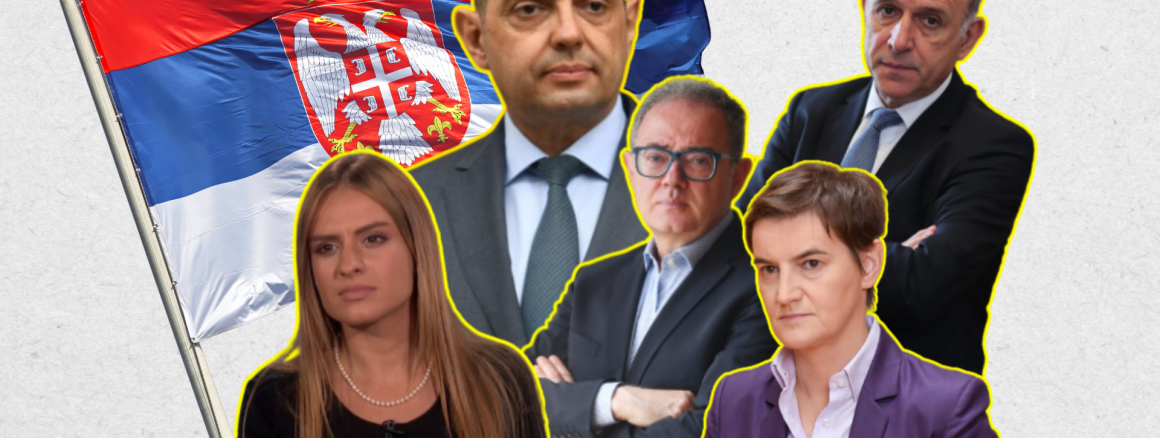
Women may be beautiful, but is that really a topic for discussion in Parliament?
October 7, 2024
This raises a critical question about how we perceive and treat women in the public sphere, particularly women in politics. Once again, we witness how seemingly harmless comments, such as calling a woman “beautiful,” reveal deep-seated sexism that continues to undermine their participation in public life.
In a recent session of the Serbian Parliament, a telling moment unfolded when Deputy Prime Minister Aleksandar Vulin responded to a female opposition MP’s critique of his lavish lifestyle, including his expensive car. Instead of addressing the criticism directly, Vulin veered off course, launching into a monologue about how much he “loves women.” A rhetorical tactic often used to deflect from the matter at hand, his remarks attempted to cloak sexism with charm. But beneath the surface, the intent was clear – to trivialize and undermine the female MP’s position by reducing her to an object of male desire.
Vulin’s speech was nothing short of a blatant sidestep of the actual issue. By framing women as mere objects to be admired, he shifted the focus from political accountability to reinforcing patriarchal norms. Instead of engaging with her argument, he chose to discredit her – not by refuting her claims, but by focusing on her gender, insinuating that women are emotional and irrational, not serious figures deserving of respect in such spaces. His flippant remark, “you should never argue with women,” was a thinly veiled attempt to dodge responsibility, reducing a complex political critique to a simplistic gender stereotype. This not only diminishes the legitimacy of women politicians but also perpetuates a culture where women’s voices are belittled and dismissed in positions of power.
But Vulin’s remarks didn’t stand alone; they were a mere catalyst for a wave of sexist and homophobic rhetoric that followed. Zoran Lutovac, President of the Democratic Party, chimed in with a snide remark about Prime Minister Ana Brnabić’s sexuality. Referring to Vulin’s speech about “loving women,” Lutovac mockingly asked, “Imagine if it were you, Ms. President (of the Parliament), talking about how much you loved women.” The thinly veiled homophobia in his statement drew laughter from many of the opposition MPs, reinforcing the hostile environment that women, particularly LGBTQ+ women, endure in politics. Rather than being challenged for his comments, Lutovac’s words were met with amusement, further highlighting how misogyny and homophobia intersect in the political arena to undermine marginalised voices.
Even Brnabić herself, Serbia’s first openly gay Prime Minister, found herself in the crosshairs of this toxic discourse. She agreed with Vulin’s trivialisation of women, while she reacted disapprovingly to Lutovac’s statement, seizing the opportunity to accuse the opposition of only offering lip service to human rights. Her response illustrated how deeply embedded sexism and homophobia are, even among those who should be allies in challenging such narratives.
The discourse took another troubling turn when MP Zdravko Ponoš directed his sexist vitriol towards another woman politician, Milica Đurđević Stamenkovski, telling her to “go make lunch” and “put up curtains.” His remarks were not only deeply insulting but also emblematic of how women are often relegated to traditional gender roles, even in the highest levels of government. Though Ponoš was later fined for his remarks by Brnabić, the damage had been done. Ana Brnabić, noted that he had “insulted all women in Serbia,” yet her words rang hollow given her earlier complicity in similar sexist rhetoric.
These incidents offer a stark reminder of the entrenched sexism that permeates political discourse, not just in Serbia, but globally. Rather than focusing on the issues at hand, these politicians resorted to demeaning women and reinforcing outdated gender stereotypes. Vulin’s initial sexist remarks should have been condemned and shut down. Instead, they opened the door for further insults and misogynistic humor, turning a political debate into a farce, where the cost was borne by the women in the room.
This pattern of behavior reflects a broader societal problem where women, no matter their position or achievements, are reduced to their appearance, their sexuality, or their supposed role in the domestic sphere. In politics, where decisions that affect the lives of millions are made, women deserve to be heard for their ideas and policies, not judged for their looks or mocked for their gender. The incidents in Serbia’s Parliament serve as a painful reminder that the fight for gender equality is far from over and that the battle for women’s voices to be taken seriously in the public sphere continues to face fierce resistance.

Hate speech and ethnic divisions in an anti-Albanian campaign on social media
September 26, 2024
An anti-Albanian campaign was launched on social media following a post on Facebook from a suspicious closed account. In the Facebook post, the author, without giving further details, said that at the cash register in the “Kipper” market in Gjorce Petrov, a saleswoman refused to tell the prices of the products in the Macedonian language, i.e. at first she wanted to say them in her “native language”.
The anti-Albanian campaign was then launched on Instagram and X in North Macedonia, calling for a boycott of the “Kipper” and “Kit Go” markets solely based on the fact that the owners are Albanians, writes Portalb.mk.
The campaign features extreme messages on ethnic, religious and national grounds, according to which the reason for boycotting these markets is because “the employee at KAM or Stokomak is called Svetle, or Gorde, which is far more sonorous than Shpressa or Valona”. The so-called “discriminatory” behaviour of these markets is considered the fact that they do not sell alcohol and products containing pork, the consumption of which is against the Islamic religion.
The campaign and calls for a boycott have the obvious intention of dividing the population on ethnic grounds.
Not selling certain products is not discrimination
However, the Commission for Prevention and Protection from Discrimination tells Meta.mk that choosing not to sell certain products cannot constitute discrimination, because the merchants themselves decide which goods they will offer for sale.
“The offer and sale of goods is at the disposal of traders in accordance with their economic interests, business practices and market principles and in accordance with the regulations governing trade and consumer protection, hence the non-sale of certain goods could not constitute discrimination when trade is carried out within the framework of these principles and regulations,” says an employee of the expert service of the Commission for Prevention and Protection from Discrimination, who wished to remain anonymous.
He explains that in order to be considered discrimination, there must be an illegal or prohibited action by which a certain person or group of persons is placed in an unequal position with another person or group of persons, in terms of exercising their rights and freedoms, for the sake of some of their characteristic with which they are identified.
“The absence of certain goods from the offer of some merchants could not be correlated with the realization of rights and freedoms of persons or a group of persons,” he says.
Money and economic power have no colour, nation or religion
Economic expert Abil Baush believes that this campaign is a marketing trick and has a negative effect on the economy because it destroys the market.
“Money, economic power has no colour, nation and religion,” says Bausch.
He adds that the economy is based on a free market and says there were similar examples with the mobile operator “Albafon” in 2013. “This operator had a ‘We speak Albanian’ campaign and it failed very quickly because it only provided services to one primary group,” says Bausch.
Professor of marketing and international business at the University of Southeast Europe, Jusuf Zeqiri, says that such campaigns often appear as a result of unethical communication aimed at the consumer behaviour of another ethnic group, positioning elements of ethno-marketing in a negative connotation.
“By using provocative messages, they only aim to increase their followers. Thus, given the fragile environment, they very quickly attract the attention of their followers who, as consumers, see these influencers as reference points,” says Zeqiri.
The professor points out that one of the goals of those who spread campaigns based on ethnic divisions is to increase their popularity while undermining the credibility of the brands that are attacked. “Such campaigns negatively affect the economy by damaging brand reputation and reducing consumer confidence, especially in ethnically mixed markets,” says Zeqiri, adding that instead of promoting product value, such campaigns are perceived by consumers as discriminatory and can cause economic and social pressure on brands and consumers themselves.
“A brand associated with discriminatory messages can lose consumer trust and be perceived as supporting or tolerating such behaviour, making it difficult to regain trust and credibility,” adds the professor.
The president of the Chamber of Commerce of North-West Macedonia, Mendi Qira, says they regularly receive information about such campaigns, which, according to him, are increasingly present. He emphasises that this specific campaign is reflected negatively because in the markets that are targeted, there are Albanians and Macedonians employed. They also purchase products from both Macedonian and Albanian companies. However, his opinion is that these occurrences (campaigns) are exceptions and do not have a long-lasting effect.
“I consider these occurrences to be exceptions and they do not have a long-lasting effect, and the entities that play this dishonest game will realise that all companies are our companies, regardless of whether the owner is Albanian or Macedonian. They also pay tax to the state, contribute to employment, to the competition that gives quality and a real price in the market,” says Qira.
He called on the relevant institutions to react because this phenomenon is harmful not only to the economy but also to politics. “We are a multi-ethnic community and as such we need to protect ourselves in order to develop economically,” Qira says.
Hate only fuels more hate
According to the experts we spoke with, it is especially dangerous that such discriminatory campaigns encourage hate speech that is present in the comments of the posts that are part of the campaign.
Professor Zeqiri says that “discriminatory campaigns can prevent the formation of partnerships with other companies causing even more damage to the brand’s reputation in sensitive markets characterised by different affiliations and different beliefs”.
According to him, to avoid influential marketing campaigns that promote discrimination or bias, there must be clear ethical guidelines that promote diversity and inclusion of all communities.
“Influencers must recognise their influence over a broad audience, particularly in areas shaped by cultural and social factors, and be mindful of ethnic differences,” says Professor Zeqiri.
Practice shows that such negative campaigns normalise hostility, reinforce harmful stereotypes and encourage an “us versus them” mentality.
They often exploit fear, anger and resentment, which prompts people to express their frustrations through hate speech. By amplifying these messages, especially on social networks, the spread of hate speech is accelerated, creating an environment where divisive and aggressive rhetoric is validated. This creates conditions for further, even deeper polarisation and intolerance.
Author: Despina Kovachevska, Portalb.mk
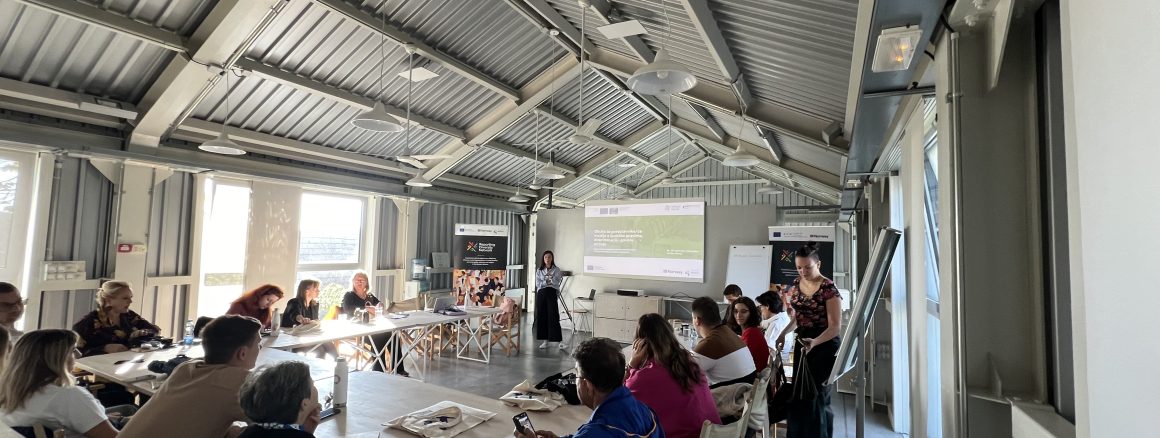
Empowering journalists for responsible reporting on human rights
September 26, 2024
September 26-27, 2024 – Mokrin, Serbia
Taking another step towards responsible and ethical media reporting on marginalised groups in the Western Balkans, the Reporting Diversity Network hosted an impactful training for journalists from September 25 to 27, 2024, in Mokrin, Serbia. This initiative, organised by the Media Diversity Institute Western Balkans in collaboration with the Council of Europe and the Commissioner for the Protection of Equality, aimed to enhance journalists’ understanding of human rights issues, particularly focusing on gender representation, gender identity, and sexual orientation.
The training dealt with issues of unequal representation of women, gender and gender identity, and sexual minorities in the media, as well as discrimination and hate speech against these groups present in the Western Balkans media landscape. Journalists and media workers from youth and local media outlets, as well as media reporting on the languages of national minorities, participated in the training providing their perspectives and discussing challenges they face in reporting on marginalised groups.
The training began with a creative workshop organised in the Center for Fine and Applied Arts Terra, on the occasion of the European Day of Languages, where participants got the opportunity to get to know each other and bond while exploring their creativity through pottery.
Later, discussions facilitated by journalists Danica Ilić and Miloš Ćirić explored the crucial role of media in promoting human rights and combating hate speech and discrimination in the media. Aleksandra Dimitrijević from the Council of Europe presented comprehensive guidelines for addressing hate speech. Ivana Kristić, a professor from the University of Belgrade, highlighted the existing normative frameworks aimed to protect against discrimination, while Ivana Jelača, on behalf of Media Diversity Institute Western Balkans presented RDN findings in Serbia and key challenges that the RDN monitoring team encountered. Participants shared their insights on maintaining high ethical standards in reporting. A panel discussion on social diversity followed, adding value to the training by ensuring contact between the activists and journalists, encouraging collaboration between the two, and providing ideas to journalists. The panel featured activist and social media influencer Nikolina Pavićević (@kriticki), who discussed reporting on women’s rights and gender-based violence; Matea Stefanovic (Talas TIRV) who talked about reporting about the transgender community, and Zorica Šurlan (Roma Association Novi Becej) who focused on issues in reporting about Roma community, particularly Roma women. These conversations, which sparked significant interest of participants, further emphasised the need for nuanced media coverage of marginalised groups.
After practical sessions on story development and pitching ideas, the training concluded with a commitment to ongoing education and mentorship, ensuring participants will continue to refine journalism skills focused on human rights reporting. This online mentoring process will support the creation and publication of impactful media content within their respective newsrooms.
See testimonials of our participants:
Similar trainings have or will take place in other Western Balkans countries, on 3-4 October in Albania and North Macedonia, 7-8 October in Montenegro and 17-18 October in Bosnia and Herzegovina.
Following the national trainings, an advanced, regional training will follow. The date set for the advanced training is October 21-22 and it will take place in Durres, Albania.
A media content production phase will follow each training, while several cross-border stories will be encouraged after the Advanced training. In that way, RDN will ensure the production of content focused on the human rights of marginalised communities, but also the collaboration of journalists working in different Western Balkans countries.
The Reporting Diversity Network strives to cultivate a media landscape that promotes diversity, fosters understanding, and counters hate speech across the Western Balkans. Equipping journalists with the necessary tools and knowledge to report diversity will contribute to this goal. As the Network continues to grow, it is poised to play a pivotal role in shaping a more inclusive and welcoming society for all citizens regardless of their diversity.
The training in Serbia is organised in collaboration between Reporting Diversity Network, supported by the European Union and SMART Balkan – Civil Society for Shared Society in the Western Balkans, a regional project implemented by the Center for the Promotion of Civil Society (CPCD), the Center for Research and Policy Making (CRPM) and the Institute for Democracy and Mediation (IDM) and financially supported by the Norwegian Ministry of Foreign Affairs, and the projectCombating discrimination and promoting diversity in Serbia, which is part of the joint programme of the European Union and the Council of Europe “Horizontal Facility for the Western Balkans and Türkiye”, in cooperation with the Commissioner for the Protection of Equality.

Monthly Monitoring Highlights August: Ethnic and religious divisions, attacks against the media, journalists, and activists
September 13, 2024
During August, the RDN monitoring team detected a range of hateful narratives and discourse. This month, we’ve witnessed hate fueled by ethnic and religious divisions, coupled with targeted attacks against the media, journalists, and activists.
Ethnic hate in North Macedonia and Albania
This month in North Macedonia, social media users called for the boycotting of Kipper and KIT-GO supermarket chains, based on the fact that they are bilingual, have Albanian employees, and Kipper is owned by a politician from the Democratic Union for Integration, the largest ethnic Albanian political party and the third largest political party in the country. One of the most notable examples was an Instagram post by influencer Nikola Nikolovski calling on his followers to boycott Albanian markets presenting his “research” where he gives 10 reasons why it’s better to shop at “Macedonian” markets, with one of the reasons being that employees in these markets are Macedonians and speak Macedonian. Nikolovski has over 30k followers and is connected to the Conservative.mk organisation. This campaign had the aim of further provoking ethnic tensions, ever-present in the country. It was not an isolated case, as these types of online campaigns for boycotting businesses, as well as against politicians and certain groups, based on ethnic hate are commonly used in North Macedonia. The call for boycotting along ethnic lines only serves to fuel division and intolerance creating an environment of prejudice and discrimination. Actions like these cause division and undermine social cohesion. An individual such as Nikolovski who has a large platform and therefore influence, should use this space to promote tolerance and respect rather than intolerance and division.
In Albania, sports journalist Ervin Baku appeared on Euronews Albania wearing a T-shirt of the Serbian volleyball team. This sparked a wave of online hate speech along ethnic lines, with numerous aggressive comments emerging, including death threats, particularly from individuals and small social media platforms. The journalist interviewing Baku asked if his shirt was a provocation, to which he said that he simply loves sports and picked a shirt this morning just like he does every day.
“I love Yugoslav and Serbian sports, and let’s not forget that Albania will soon organise the U21 European Championship together with Serbia. I am a person who tries to build bridges, not destroy them, especially bridges that are ready to be opened,” Baku said.
The online response to Baku’s appearance was immediate with numerous hate-filled comments that targeted him. Most of the hate speech has emerged not from the main social media platforms which have a large reach and impact but rather from individuals and small social media platforms.
In one example JOQ News – a popular Albanian online media outlet known for its sensationalist reporting, viral content, and engaging social media presence, often focusing on breaking news, entertainment, and public issues – displayed a surge of hateful comments towards the journalist. These comments included calls for life imprisonment, deportation of his family and extreme insults.
In response, Baku issued a public and official statement on this Facebook page in which he explained that “The aggressive army of extremist nationalists is being unleashed on me and my image on social media and in the multi-option space of the Internet, turning me into the most threatened Albanian sports journalist within Albania and my national territory!” moreover, he added that “I did not think what this would provoke! This is my mistake for momentarily ignoring the negative impact I am facing and threatened by”.
Alongside his statement, the Union of the Albanian Journalists released a statement in support of the journalist calling on the hate speech towards him to end. According to the Union, the journalist has reported to the State Police’s anti-cybercrime unit, identifying individuals responsible for numerous insults, blackmail, threats, stigmatisation and even physical aggression against the journalist.
Hate speech and aggression against any individual are never justified. The spread of hate speech along ethnic lines, especially when accompanied by physical threats, calls for deportation, or imprisonment, is completely unacceptable. Media outlets like JOQ News should actively monitor the comments on their content and take appropriate action against hate speech. Additionally, social media platforms must not allow hate speech and threats to proliferate on their platforms, regardless of their reach or influence.
Misogyny and trivialisation of violence against women in Montenegro
Misogyny and the trivialisation of violence against women are serious issues in Montenegrin society, as highlighted by events in August involving cases of rape, revenge pornography, and a recent femicide that shocked the nation.
After an article in Vijesti reported on a case involving a girl who was raped and subjected to revenge pornography—the unauthorized distribution of private sexually explicit material— the comment section became flooded with misogynistic reactions and remarks. These comments included attacks on the woman herself, casting doubt on her credibility as a victim, questioning why she had recorded herself, and one even claimed that “rape and filming don’t go together“. To make matters worse, many defended the accused, emphasising that he was “innocent until proven guilty”.
Following a femicide on 22 August, a prominent influencer known online as Radosav Vrbica posted a message on his ‘X’ profile filled with misogynistic content, blaming the victim for “driving him crazy,” thereby justifying the violence against her.
Justifying misogyny, rape or violence perpetuates harmful attitudes that normalises violence against women and justifies its existence. It shifts blame away from perpetrators, erodes accountability, and creates an environment where survivors are discouraged from seeking justice. Rape, sexual assault and revenge pornography are all acts which need to be unequivocally condemned and those responsible must be held accountable.
Targeting of media in Kosovo
At a wedding in Bibaj, near Ferizaj/Uroševac in Kosovo, an off-duty policeman killed an 89-year-old man. The officer turned himself in and provided the weapon he used, after which he was suspended. He was remanded in custody. Media outlet Nacionale announced that the victim was suspected of paedophilia many years ago and that he was related to the husband of Vjosa Osmani, the President of Kosovo. Nacionale reported, under assumption, that this case might be the policeman’s revenge for his two sisters that were sexually assaulted when they were children, supposedly by this man. This media also claimed to have proof of Osmani and her husband discussing the sexual abuse case in a closed Facebook group, as well as proof that the judiciary neglected this case because of “the political influence of the Sadria family”, the family of the president’s husband. The Presidency of the Republic of Kosovo did not respond to Nacionale’s questions prior to the release of the article. Later, Osmani denied any connection with this case, and requested an investigation to be launched against Nacionale and its owner Berat Buzhala, who allegedly threatened the life of the president and her family with these claims.
In response, the Association of Journalists of Kosovo (AGK) reacted, as well as other journalists and analysts, calling her act “a dangerous and unacceptable precedent”. Moreover, AGK noted that the repeated accusations that certain media outlets “work for Serbia” is unacceptable and even more dangerous when it comes from the top of the state. AGK invited President Osmani to file a complaint with the Kosovo Print Media Council (KMSHK) if she is dissatisfied with media reporting. Even though this is a complex case and Nacionale, as well as other media outlets, should not have rushed in publishing information not yet confirmed by relevant authorities, it is unacceptable for public officials to target media by requesting investigations against them, especially someone in such a high position of power.
Political targeting of journalists and activists in Serbia
Tabloid media have reported extensively and harmfully on the protests against lithium mining in Serbia, often targeting activists and public figures who support the protests. Certain pro-regime media outlets, as well as public officials used names to label the activists, including calling them “foreign mercenaries”, working against their country and attempting to “violate the constitutional order”. Targeting and intimidation did not stop at words, as the Center for Investigative Journalism in Serbia marked 30 cases of arrests, informative interviews with the police, confiscation of laptops and mobile phones, and apartment searches. A particularly problematic case was the reporting on young activist Mila Pajić by the tabloid media. She was labelled an “anti-Serb activist” and shamed for supporting the resolution of the Genocide in Srebrenica. A day later Prime Minister Miloš Vučević accused her of the same things, targeting her in a post on X. Civil society organisations were also targeted through pro-regime tabloids, culminating in a special episode on TV Informer called “Uncovering the financing of the special war against Serbia” where editor Dragan J. Vučićević named CSOs and portrayed them as enemies being paid to work against their own country.
In a separate case, a media campaign was launched against journalist Tamara Skrozza at the end of July and beginning of August. In an interview, she said that “the night between 5th and 6th October 2000 should have looked different”. She was referring to one of the biggest protests in Serbia, after which Slobodan Milošević’s regime was abolished, and a new government was formed. Most tabloid media reported that she said “Vučić was supposed to be murdered that night” thereby, twisting her words. The Ministry of Information sided with the tabloids saying Skrozza’s statement was “an example of hate speech”. Journalist associations expressed their support for Skrozza, however this campaign lasted for a significant period. This type of targeting through media smear campaigns is a common way of intimidating and silencing activists and journalists in Serbia. Twisting someone’s words is a dangerous tactic; a smear campaign can be devastating, undermining reputations, spreading misinformation, and damaging trust, often without a fair opportunity for the targeted individual or group to defend themselves.
Religious Hate Speech in Bosnia and Herzegovina
In Bosnia and Herzegovina, the Directorate for Religious Affairs of the Rijaset of the Islamic Community, following the guidance of Reisu-ul-ulama Husein effendi Kavazović, recommended performing the Rain Prayer with the congregation. In response, political analyst Ivana Marić commented on platform X, saying: “We need to patent this ingenious idea for solving climate problems as soon as possible.” Her post sparked a wave of comments on X, including insults, hate speech, and calls for violence. Many accused Ivana of mocking Islam, while also sharing past instances where priests had encouraged believers to pray for rain. Two political parties responded to the backlash against Marić. Naša stranka strongly condemned the hate speech directed at her, while Narod i Pravda rejected any approach that involves insulting, belittling, or ridiculing religious beliefs and feelings.
In Bosnia and Herzegovina any critical or satirical stance against religion and religious leaders tends to gain hate comments, insults and sometimes calls to violence targeting individuals. Although it is important to note the freedom of expression and opinion, the line between free speech and hate speech is fine. Belittling, undermining, mocking and spreading hate towards a religious community is extremely disrespectful. However, it is also important to note that hate should not be countered with hate and in no way are hate speech, insults and calls for violence towards Marić justified. It’s possible to challenge hate without simultaneously perpetuating it.