Author: RDN
Monthly Monitoring Highlights December: Hatred towards journalists, ethnic hatred, anti-LGBTIQ+ rhetoric, the politicisation of sexual harassment cases alongside sexism and hateful targeting
January 16, 2025
During December, the RDN monitoring team detected a range of hateful narratives and discourse fuelled by hatred towards journalists, anti-LGBTIQ+ rhetoric, sexism and ethnic hatred.
Hatred towards journalists in Kosovo
The founder of the online portal “Nacionale,” Berat Buzhala, received a death threat on his Facebook profile with the account name “Valon Karanezi.” “If I only see you somewhere, oh son of shkine, because I’m giving you Albanian oath that I’m going to kill you and those like you, know that your days are numbered, not only from me but you have greetings from the people of Kosovo”, it is said in the message received by Buzhala. Buzhala published this threatening message and wrote the following on his FB profile: “. Good morning, these are the consequences of the country’s prime minister’s false accusations towards journalists. Someone actually believed this.”
The Kosovo Journalists Association (AGK) responded to this threat, calling it very serious, as it endangers Buzhala’s safety and the media outlets he works for. The AGK urged the Kosovo Police to urgently investigate the case and hold the person responsible for issuing the threat. The AGK also expressed deep concern about the growing spread of hate speech and violence towards journalists, which is most often coming from government officials and members of the ruling party. The AGK called on Kosovo’s Prime Minister Albin Kurti to stop this hateful rhetoric against journalists and the media in Kosovo and urged other officials from his party to do the same.
Buzhala has been a target before, referring to those who attack him as “trolls” from the “Vetëvendosje” movement. He and his media outlet are among the strongest critics of the current government and the Prime Minister. They have exposed several scandals of the government, including alleged recordings of conversations between “Vetëvendosje” and the “Serb List,” as well as Milan Radojičić himself.
The situation escalated after the public broadcaster Radio Television Kosovo (RTK), which is heavily influenced by the Kosovo government, reported a story from the “Slobodna Bosna” portal about the alleged control of Serbian President Aleksandar Vučić over the Albanian-language portals “Periskopi” and “Nacionale.” This led to a scandal, and because of disagreement with this policy, two people from RTK’s management and several members of its board resigned.
Media associations, experts, and the opposition have described this as a brutal campaign to pressure media freedom and the safety of journalists. The latest attacks on journalists have been brought into sharper focus after the sabotage of the “Ibar Lepenac” channel, when the Prime Minister held an extraordinary press conference, urging citizens not to trust some of the media, claiming that some are waging a hybrid war against Kosovo, its people, and the Albanian people in general. Many representatives of the media, civil society, and analysts interpreted this as a direct threat to the physical safety of journalists and the media.
Anti-LGBTIQ+ rhetoric in Albania
On 2 December 2024, during the airing of “Opinion,” one of Albania’s most-watched political talk shows on TV Klan, a debate on the legalization and decriminalization of prostitution shifted to a discussion of the LGBTQ+ community. Panellist Saimir Kodra expressed resistance to the societal integration of LGBTQ+ individuals, making derogatory comments that reinforced damaging stereotypes about the community. The debate further escalated when Zhaklin Lekatarin raised the question of why pedophiles can marry while homosexuals cannot, prompting heated exchanges and controversial remarks.
The discussion was initially centered on whether prostitution should be legalised or decriminalised in Albania. While Kodra strongly opposed legalisation, he shifted the focus to the LGBTQ+ community, arguing that their presence should not serve as a societal model. The debate intensified when panellist Zhaklin Lekatari challenged Kodra, questioning societal double standards by asking, “If pedophiles can marry and have children, why can’t homosexuals?” This remark was intended to highlight inconsistencies in societal acceptance but also contributed to a heated and polarizing exchange.
Saimir Kodra spread extremely hateful rhetoric including the claims that LGBTIQ+ individuals “have a broken family that taught them to harm other people’s children or their own.” These remarks framed LGBTQ+ individuals as societal outcasts and reinforced harmful narratives about their families and roles in society. Zhaklin Lekatari and Gëzim Tushi both opposed Kodra’s views. Lekatari argued for equality and inclusion, raising the provocative question about pedophiles versus homosexuals to expose societal contradictions. Tushi criticized Kodra’s framing as perpetuating harmful biases, calling it a “perversion” to exclude individuals based on their sexuality. Despite their challenges, the lack of strong moderation allowed Kodra’s discriminatory narrative to dominate the discussion.
The program’s framing and lack of intervention normalised hate speech, amplifying discriminatory rhetoric on a national platform. By failing to challenge or contextualize such statements adequately, the show contributed to the stigmatization of an already marginalized community.
Sexism in Bosnia and Herzegovina
The most read websites in Bosnia and Herzegovina, Klix.ba and Radiosarajevo.ba, posted a news story on Facebook regarding a statement by Sanja Vulić, the head of the SNSD parliamentary group in the Parliament of Bosnia and Herzegovina. The comments under the posts on the Facebook pages of both websites were filled with sexism and insults. The website Radiosarajevo fuelled hostility toward Vulić through its Facebook headline. The article further exacerbated this by noting that Vulić “continues to excel in her statements about current events,” referencing a previous controversial remark. The website furthermore amplified this by using the headline “Here she is today,” which carried a tone of disdain.
Under the posts, users on Facebook posted hateful, misogynistic and sexist insults and comments. It almost seemed as though the platform’s users were competing to publish hateful comments surrounding a woman as a main character in the news. Furthermore, despite Facebook page moderators being required to remove such comments, they failed to do so. Regardless of the fact that Sanja Vulić sometimes has strong opinions, this should not be a reason to post such comments to her just on the basis of her being a woman. Sexism and misogyny hold no place in society including on social media platforms and portals – such hate should be removed and dealt with appropriately.
Hateful targeting in Serbia
After a train station canopy collapsed, killing 15 and severely injuring 2 people on November 1 in Novi Sad, Serbia, massive protests erupted nationwide.
After the protests, all faculties at Serbia’s four main state universities, along with numerous high schools, were shut down or placed under blockade. Students are, among other things, demanding the publication of complete documentation regarding the reconstruction of the Novi Sad train Station and the prosecution of those who attacked students during one of the protests.
While there are peaceful (commemorative) protests in all major cities in Serbia every day at 11:52 am (the moment of the canopy collapse), some of the most popular Serbian media, including the public service broadcaster do not report on them adequately. Certain (pro-regime) media outlets have been targeting activists, students and others participating or publicly showing their support for the protests labelling them as ‘anti-Serbian’ ‘working against the state’, ‘violent’ and accusing them of ‘wanting to cause a civil war’. Students, activists and supporters of the protests have also been accused of cooperating with the opposition and taking money for their activism. They were also described as violent and extremists, accused of being drug addicts and taking money for their activism either from foreign governments or the opposition. Fact-checking portal Fake News Tragač analysed 181 propaganda texts focusing on targeting students and their fight, and this data was gathered in less than two months.
Tabloids have been using manipulations, disinformation and spins in an attempt to target, discredit and intimidate young people.
Apart from the harmful media narratives around protesters and students, those participating in protests, especially in roadblock 15-minute commemorations for the 15 victims held across the country have been attacked both physically and verbally while protesting.
Protesting is a fundamental right in any democracy – it serves as an expression of free speech and will to express dissent and hold those in power accountable. It allows citizens to voice their concerns, injustices and to demand change.
However, when protests are met with hate, aggression, or violence, it undermines these democratic principles. Hostility toward peaceful protest stifles open discourse, creating fear of retaliation for speaking out. Additionally, when the media discredits protestors by framing them negatively and spreading disinformation, it distorts public perception and marginalises their voices. Protests must be met with respect and dialogue whilst the media should promote open discussion rather than suppression.
Ethnic tension in North Macedonia
The celebration of the Albanian Flag Day, on the evening of 28.11.2024, unleashed a spiral of ethnic intolerance after dozens of cars “paraded” through the capital Skopje, disregarding traffic rules and firing multiple shots from automatic weapons. But what further escalated the situation was the ways in which videos were published online of the destruction of the Macedonian flag and then the Albanian flag in the style of an ‘eye for an eye’. All of this was preceded by a series of comments with hate speech and calls for violence from various political figures to amplify the tension.
Furthermore, during a basketball match, a message was sent by fans of the Rabotnicki basketball club who were cheering on their team in Skopje. The message read “the sun you tread on will burn you” – a message to those who tore and trampled on the Macedonian flag in multiple locations across Macedonia.
North Macedonia is a country characterised by significant ethnic diversity, but this plurality has often been accompanied by underlying ethnic tensions. The country’s various communities—predominantly ethnic Macedonians and Albanians—have frequently been pitted against one another, with historical grievances and political rivalries amplifying divisions. Furthermore, one can often see hatred of one community against the other as in this case – rather than promoting unity and diversity in the country, often incidents like these arise which only further exacerbate the division and tension.
The Politicisation of Sexual Harassment Allegations in Montenegro
After the Center for Investigative Journalism of Montenegro revealed the case of sexual harassment of a former student of Gymnasium Slobodan Škerović by her professor, which the principal of the institution, Biljana Vučurović, had known about for three years, the pro-Serb media outlet IN4S has been reporting almost daily in an unethical manner, supporting Vučurović and presenting criticism of her actions as an attack on Serbs in Montenegro.
The President of the Montenegrin Parliament, Andrija Mandić, stated that this represents “someone’s attempt to stir up relations between Serbian parties and the ruling parties in Montenegro,” while Milan Knežević, a prominent pro-Serb politician, also presented the criticism of Vučurović’s actions as a “witch hunt.” The spokesperson for the Democratic People’s Party (DNP), Jovana Todorović, said it was a “misogynistic campaign” against Vučurović. All of these statements were reported with approval by the pro-Serb tabloid IN4S, which also published a manipulative letter from “gymnasium professors” attempting to defend Vučurović’s reputation, though it was not signed by all the professors, but only 64 of them. IN4S did not publish the denial from many professors who stated they did not participate in the letter, as other media outlets reported.
Research has shown so far that when the educational institution is faced with a case of sexual violence towards the pupils, school administration first wants to protect themselves, and not the pupils. In Montenegro, the sexual harassment case has been politicised. This shift in focus from the allegations to ethnic divisions not only deflects attention from the case of sexual harassment but also deepens societal tensions, preventing a proper discussion on accountability and justice. The media has a moral and legal responsibility and duty to report in an ethical and unbiased manner, however as seen in this case, portal IN4S published articles which adhere to their political views and standing rather than for the benefit of informing the public as well as using this opportunity to open a discussion around the important subject of sexual harassment.

Troll of the Year 2024: Albanian Prime Minister Edi Rama
January 14, 2025
The Balkan Troll of the Month is an individual, a group of individuals or a media outlet that spread hate based on gender, ethnicity, religion or other diversity categories, across the Western Balkan region. In December, RDN combined votes from the Western Balkan countries with input from a public voting process to select the Troll of the Year.
In the first round, RDN team from all six countries in the region shortlisted the top six Trolls from the 12 monthly nominees. This was followed by two rounds of voting on our Instagram channel, where our social media followers helped us to select the Troll of the Year. On the first day, they chose the top three finalists, and on the second day, they made their selection for the Troll of the Year.
The selection this year was Prime Minister Edi Rama in Albania who during a parliamentary session, whilst being questioned by the opposition regarding allegations of industrial waste potentially containing hazardous toxic substance, dismissed all allegations. He, furthermore, shifted the response and attention towards the opposition MP Gazment Bardhi, making sarcastic comments about how he gained his expertise and position. His comments were packed with sexist connotation and served as an ad-hominem attack used against his political opponent.
The entire parliamentary session was broadcast by Top Channel – a very popular tv station in the country with a large reach and audience. The broadcast was accompanied by a sensationalistic headline which contained harmful and inappropriate language used by Rama. This only served to further amplify the sexist language. Even though Rama did not use the exact words as outlined in the headline, the network chose to prioritise the provocative, sexist rhetoric with full intention, knowing that this would most likely get a larger response from their audience who would prefer to watch this report rather than the full interview.
Prime Minister, Edi Rama, holds a position of both power and influence, which involves a lot of responsibility. Indeed, in a role as such, one has a duty to act in the best interest of the people one represents. Rather than engaging in heated debates, using sexist language and getting involved in ad-hominem attacks, Rama should set a positive example for other members of parliament alongside the public, whose image he represents. Although it is of course acceptable to have differing political opinions and engage in healthy debate, these differences can and should be expressed respectfully, without resorting to hateful language or personal attacks.
This incident represents a troubling trend towards the normalisation of inappropriate language, hateful and insulting rhetoric being used in public discourse especially by one political group against the other. When someone with significant political power and position, such as a Prime Minister engages in such behaviour, it sets a dangerous role model. As leaders, Prime Ministers and politicians alike are expected to uphold certain principles of dialogue and respectful behaviour, serving as role models to others. Using hateful language and rhetoric alongside insults, only deepens political polarisation but also undermines the democratic process.
The media plays a crucial role in shaping public opinion and disseminating information to the public. When incidents of hateful language or personal attacks arise, especially from prominent figures like a Prime Minister, the media has a responsibility to go beyond sensationalism. Simply highlighting and amplifying such moments for the sake of engagement, viewership or readership risks deepening divisions and distracting from meaningful discourse.
Instead, the media should focus on contextualising the issue, pointing out the harmful implications of such behaviour. This can help to prevent the normalisation of such behaviour and promote more informed public dialogue. The media’s failure to do so, only risks further amplifying and encouraging sexist and harmful behaviour in public discourse.

TROLL OF THE MONTH: Media outlet “Oslobođenje”
December 25, 2024
The Balkan Troll of the Month is an individual, a group of individuals or a media outlet that spreads hate based on gender, ethnicity, religion, or other diversity categories. The Balkan Troll is selected based on hate speech incidents identified across the Western Balkans region
In Mostar, Bosnia and Herzegovina, another femicide took place. A femicide is defined by the European Institute for Gender Equality as
“The killing of a woman or girl because of her gender, and can take different forms, such as the murder of women as a result of intimate partner violence; the torture and misogynist slaying of women; killing of women and girls in the name of “Honor”; etc.”
Following the femicide, several of the country’s most widely read websites published extensive details of the case, totally disregarding ethical guidelines for reporting on gender-based violence. Among the most problematic reports was a text by Oslobođenje, which reported on the femicide in an unprofessional and insensitive manner. Oslobođenje is a popular media outlet in the Bosnia and Herzegovina. Following the femicide that took place, their headline read, “What preceded the shooting,” focusing on sensational details rather than acknowledging the act as femicide. The article mentioned the shooting without explicitly stating it was a femicide, and quoted Herzegovina-Neretva Canton Ministry of Internal Affairs spokesperson Ljudevit Marić, who mentioned that the murder followed cocaine consumption, adding that the woman had shot herself in the stomach. The spokesperson revealed details of the suspect’s statement, claiming that “the deceased shot herself and that they had consumed cocaine.” This statement was presented in a manner that implies the victim was a drug addict who caused her own harm, thereby downplaying the severity of femicide and shifting the blame onto the victim.
Several other Bosnian websites, including Avaz.ba, N1info.ba, Srpskainfo.com, and Raport.ba, followed suit by reporting the same details about cocaine use, which aside from being a clear breach of ethical reporting standards, was also irrelevant information to the public interest. Marić made a significant error by disclosing investigative information. The Mostar police have been silent for days on certain inquiries, but in this case, the spokesperson readily shared details of the suspect’s statement, thereby also contributing to the normalization of femicide in public discourse.
Furthermore, the media further exacerbated the issue by sensationalizing it in their coverage. These reports also gave uncalled attention to the claim that “the woman shot herself,” an irresponsible detail that could even serve to imply justification for the violence.
Femicide is a serious crime and the most extreme form of gender-based violence. A year after the horrible incident of femicide took place where “38-year-old Nizama Hećimović was shot dead by her partner, who live-streamed the act on Instagram, those calling for the crime of femicide to be enshrined in law say women are still paying with their lives for the state’s inaction.” Indeed, the country fails to fully recognize the seriousness of this phenomenon, resulting in inadequate prevention and response measures. Institutions demonstrate a general lack of willingness to address the issue, marked by the absence of official data.
In this case, the overall reporting by media outlets including Oslobođenje was extremely harmful and problematic. The coverage failed to meet the basic standards of journalism including adherence to ethical guidelines, not to mention the lack of respect for the dignity of the victim. Media coverage should never offer explanations or context that might absolve the perpetrator by attributing violence to external factors or the individual’s characteristics. This is especially concerning given that this femicide and the unprofessional coverage occurred during the 16 Days of Activism against Gender-Based Violence, a period meant to raise awareness about such issues.
Monthly Monitoring Highlights November: anti-LGBTIQ+ narratives, ethnic and religious discrimination alongside sexism, and attacks against journalists
December 19, 2024
During November, the RDN monitoring team detected a range of hateful narratives and discourse fueled by anti-LGBTIQ+ narratives, ethnic and religious discrimination alongside sexism, and attacks against journalists.
Anti-LGBTIQ+ sentiments in North Macedonia
At an event organised by the Youth Education Forum (YEF), the Regional Youth Cooperation Office (RYCO) and the National Student Body (NSB), the Prime Minister of North Macedonia announced many more new investments, better conditions for higher education, and more rights and opportunities with the new laws on higher education and student standards. He also stated that “We must fight for a country full of young people: for many children in kindergartens, for many children in schools, for many young people in universities. That means a marital union between a husband and a wife”.
In the last few months, the ruling VMRO-DPMNE party, led by Hristian Mickovski, has given conservative messages especially when it comes to students. President Goranda Siljanovska and the minister of education have presented the same message on what marriage is, stating it is a union between man and a woman with children. This conservative messaging, which is spread throughout the media, leaves a perception that this is the only acceptable type of family and excludes the LGBTIQ+ population.
By framing societal progress around a heteronormative family model, the remarks marginalise diverse family structures and exclude LGBTIQ+ individuals, single parents, and non-traditional partnerships. Such rhetoric not only alienates a significant portion of the population but also risks influencing policies that overlook the needs and contributions of diverse communities, undermining the principles of equality and inclusivity in a modern society.
Ethnic discrimination in Kosovo
The Kosovo national football team halted their match against Romania a few minutes before the end following a brief argument between players from the two teams after Romanian fans began chanting “Serbia, Serbia”. The Kosovo team justified their decision by labelling the chants as “racist”. After the match, representatives of the Kosovo team held a press conference where the team captain, Amir Rrahmani, among other things stated that “Kosovo is Kosovo, and Kosovo is Albania”.
This statement sparked criticism from Kosovan journalist and analyst Halil Matoshi who suggested on Facebook that the captain should be stripped of his armband following such remarks. Matoshi wrote, “Kosovo, with its folklore and the captain’s confusion in declaring that ‘Kosovo is Albania,’ inadvertently legitimises, in the eyes of some Romanians (and opponents of the Republic of Kosovo), the hostile political chant ‘Kosovo is Serbia’!? But this is not racist chanting! This is a nation’s negation chant against their opponent!” His post was shared by the online media outlet Insajderi, attracting around 1,000 hate speech comments against Matoshi on its Facebook page.
Religious discrimination in Bosnia and Herzegovina
Jasminka Tica Isović, media adviser to the prime minister of the Federation of Bosnia and Herzegovina and SDP president Nermin Nikšić, faced backlash after posting a controversial message on Instagram. Her post followed the election of SDA candidate Emir Muratović as the chief of the municipality in Jablanica, defeating the SDP’s Damir Šabanović.
In her Instagram story, which featured a photo of the article announcing the SDA candidate’s victory, Tica Isović wrote: “At three in the morning, you call Neka, and Neka is with you, Neka helps. All for you people from Jablanica. A very nice thank you. With all due respect, here’s Imam for you now, and you will finish everything in two days. A complete disappointment. Dado, head up. Everyone chooses as they deserve.” In this message, “Neka” refers to Nermin Nikšić, while “Dado” is a nickname for Damir Šabanović.
The message drew criticism for being tone-deaf to the struggles of Jablanica’s residents, who had recently endured catastrophic floods in which their homes were destroyed and family members lost. Šabanović, who lost his bid for re-election, had served as the municipality’s chief during and after the disaster. Residents had questioned authorities about unresolved issues, including a quarry suspected of contributing to the wider scale of the floods that hit Jablanica, but received no answers.
Media outlet N1 criticized Tica Isović for blaming the locals for their electoral choice without acknowledging their suffering.
Her post also offended Muslims by referring to the SDA candidate as “Imam,” implying the SDA is merely a “Muslim party” – a statement which is both insulting and inappropriate. Shortly after posting, Tica Isović deleted the message, leading to speculation about whether this was done voluntarily or under pressure. However, regardless of this, such statements should not be made by anyone, especially someone with such a high position. Platforms should not be used to spread hate and insults.
Sexism in Albania
On 17 November 2024, Renée Reffo, influencer and the daughter of actress Julia Ilirjani, made a provocative statement during an appearance on Pardon my French, Top Channel, igniting debates across social media platforms. When asked about her requirements for a partner, she revealed that financial expectations are a defining factor. Her comments, which emphasised the need for a partner to earn at least twice her income, sparked discussions related to gender inequality and societal standards.
During the interview, Renée Reffo stated that she would not consider a partner who hadn’t experienced half of what she had or who earned less than she does in a month. She specifically said “My financial condition is that the man by my side must earn at least twice as much as I do. If it’s more, even better, but that’s the minimum. I can’t date a guy who hasn’t had half the experiences I’ve had or who doesn’t make as much money as I do” further adding “If I go to a luxury restaurant once a week, he must be able to take me at least twice a week.” These remarks quickly garnered attention online, sparking debates about gender roles and financial expectations in relationships.
Renée’s statements highlight traditional gender stereotypes, particularly the notion of men as primary providers. By asserting that a man must earn at least twice her income to be a suitable partner, she reinforces the idea that a man’s value is tied to his financial success. This only serves to perpetuate and uphold societal pressures on men to meet outdated expectations, reducing their role in relationships to financial contributors rather than emphasising emotional or intellectual compatibility. Such views contribute to the challenges men face in navigating modern relationships while conforming to patriarchal standards.
For women, these comments can have a dual effect. On one hand, they reflect a sense of empowerment, as women assert their standards and refuse to settle. On the other hand, they risk perpetuating stereotypes that women prioritise financial security over meaningful partnership. This can lead to women being unfairly labeled as “materialistic,” despite similar expectations from men often going unquestioned. This double standard underscores the persistent gender inequality in how society perceives relationship dynamics. A public figure like Renée, with a platform and significant audience, should be mindful of the messages she shares. Using interviews on widely viewed platforms like Top Channel to promote harmful narratives on gender is both irresponsible and harmful, as it perpetuates stereotypes and bias.
Attacks against journalists in Montenegro
Ana Raičković, editor of the crime section at the daily newspaper Pobjeda, was verbally and physically attacked allegedly by businessman Zoran Bećirović, his son Luka Bećirović, and his bodyguard Mladen Mijatović, an employee of the Ministry of Internal Affairs. This assault was reportedly prompted by Pobjeda’s investigative reporting on Bećirović’s business activities. Furthermore, the attack extended beyond Raičković herself, as two of her family members were also targeted.
Zoran Ćoćo Bećirović is a controversial Montenegrin businessman who has faced scrutiny from journalists and anti-corruption activists for his questionable business practices. His aggressive response to media coverage underscores a troubling pattern of hostility toward journalists who expose corruption and misconduct. Furthermore, this incident highlights the lack of protection and mechanisms in place to protect journalists from being verbally and physically attacked.
Journalists like Raičković play a critical role in holding powerful figures accountable, and violence or intimidation against them undermines their ability to perform this vital function. When journalists are silenced through fear, it deprives the public of transparency and critical information about those in power.
Furthermore, the targeting of Raičković’s family members, intended to instil fear and discourage investigative journalism, is a dangerous and harmful tactic used by individuals and institutions at risk of being exposed. Such actions are reprehensible and should be prevented and perpetrators held accountable.
International frameworks, such as Article 19 of the Universal Declaration of Human Rights, protect freedom of expression, and many countries have specific legal provisions to safeguard journalists from threats, violence, and intimidation while performing their duties. In Montenegro, journalists are protected through its constitution and laws which guarantee freedom of expression and speech, however, attacks and threats to press freedom remain unpunished. To preserve press freedom and expression, it is essential for authorities to investigate these attacks thoroughly, hold perpetrators accountable, and ensure journalists can work without fear of retaliation.
Media targeting of students and activists in Serbia
After an outdoor roof collapsed at the Novi Sad train station on the 1st of the month, leaving 15 people dead and 2 more fighting for their lives, media reporting at first took the focus away from those responsible. As a result, huge protests erupted in Novi Sad and other cities followed by a student-led blockade of the Faculty of Dramatic Arts (FDU). FDU students were physically and verbally attacked during a roadblock organised to commemorate the victims and demand justice. Other students followed in solidarity, resulting in nationwide blockades of all faculties at the three biggest state universities in the country – Belgrade, Novi Sad and Niš.
The media targeted activists, students and others participating or publicly showing their support for the protests. They were called ‘anti-Serbian’, ‘working against the state’, ‘violent’ and accused of ‘wanting to cause a civil war’. They were also accused of cooperating with the opposition and taking money for their activism. Tabloids used manipulations, disinformation and spin in an attempt to target, discredit and intimidate young people. Apart from the media targeting and harmful media narratives on protesters and students, those participating in protests, especially in 15-minute commemorations for the 15 victims held across the country have been attacked both physically and verbally.
TROLL OF THE MONTH: Zlatan Begić, a Professor of Constitutional Law at the University of Tuzla
December 12, 2024
Zlatan Begić, a Professor of Constitutional Law at the University of Tuzla and a representative in the House of Representatives of the Parliamentary Assembly in Bosnia and Herzegovina (BiH)
The Balkan Troll of the Month is an individual, a group of individuals or a media outlet that spreads hate based on gender, ethnicity, religion, or other diversity categories. The Balkan Troll is selected based on hate speech incidents identified across the Western Balkans region.
Zlatan Begić, a Professor of Constitutional Law at the University of Tuzla and a representative in the House of Representatives of the Parliamentary Assembly of Bosnia and Herzegovina (BiH), sparked outrage with a sexist post on X. The post included photos of TV personality Stanija Dobrojević and political analyst Ivana Marić, suggesting that Dobrojević unlike Marić, “has a career,” adding that, “Out of these starlets, only Stanija seems to have managed to make some career. She stuck to what she knows how to do.” The post reached a total of 38.5K views highlighting its reach and audience.
Begić’s comment, pinning one woman against another and using this as an excuse to insult one by using the other as an example is not only demeaning but also extremely sexist. A post like this with such rhetoric perpetuates harmful stereotypes about women’s professional achievements and creates a hierarchy of importance based on prejudice and hate. By reducing women to derogatory comparisons and trivialising their contributions in society especially within the fields of media and politics – two very different career paths and subject matters– the post reinforces gender inequality and serves to undermine efforts to promote respect and equality in public discourse.
Begić is a professor of constitutional law which is not only an important and respected subject and role but also an important topic that should teach the importance of equality and respect that uphold democratic societies.
Furthermore, Begić is also a representative in the House of Representatives of the Parliamentary Assembly of Bosnia and Herzegovina (BiH) meaning that he is responsible for legislating, debating and shaping policies at a state level. This also means that he represents the public interest and the people of the country. Having such influence, he should not be sharing ‘humorous’ sexist jokes on public channels and platforms. Instead they should be used to advance his views on important issues such as equality and respect. Public officials have a duty to responsibly represent and serve the people they are speaking on behalf of. These roles come with the obligation to foster dialogue on meaningful issues and to counter hate, rather than perpetuating it through sexism or derogatory remarks. Their platforms should be used to promote inclusivity, respect, and constructive discussion.

The case of Imane Khelif: How women athletes are always on trial
December 9, 2024
Algerian boxer Imane Khelif won Olympic gold amid media scrutiny that overshadowed her athletic achievements, in a global moral panic over whether she was truly a woman. Sensationalist media reporting and online abuse that went viral globally was led by sexism, transphobia and racism, and fueled by gender disinformation. In Serbian media, headlines and narratives mirrored these biases, questioning her identity rather than focusing on her matches. This case study unpacks how media portrayal of Khelif reflects deeper social issues and systemic gender inequality in sports, as women athletes, especially women of colour, are continuously scrutinised in ways men never were.
A few days before her first Olympic match with Angela Carini, both local and global media reported that Khelif and another boxer competing at the Olympics, Lin Yu‑Ting from Chinese Taipei, were disqualified at last year’s Women’s World Boxing Championships for failing a gender test, igniting accusations that they were “not really women”, or rather cisgender women. However, when Carini surrendered after less than a minute-long fight with Khelif, she cried saying she “has never been hit that hard”, resulting in a wave of global moral panic and sensationalist media reporting on Khelif led by sexism, transphobia and racism.
For this case study, Reporting Diversity Network analysed over 100 texts mentioning Imane Khelif on Serbian online portals where this topic reached the highest engagement – Telegraf, Sportal, Sportklub and Mondo. This includes 42 texts published by Telegraf, 32 by Sportal, 22 by Sportklub and 11 by Mondo. While focusing on headlines, we analysed the terminology used in the text and visual elements. In this analysis, apart from RDN monitoring, we rely on available information on the case provided by fact-checking media organisations Fake News Tragač and Istinomer.
Following global patterns, Serbian media used manipulations and shared unverified information, with sensational headlines calling Khelif a “proven biological male”, and “a man who beats women”, presenting Carini as a victim, instead of an athlete who simply lost a match. Accordingly, many headlines stated Carini “refused to fight a man”, enhancing this narrative, even though she participated in the fight, however short it lasted. One of the first widely used framings of the story was the “white woman’s tears” trope, as Carini’s emotional reaction to losing the fight was weaponised by the media to frame her as a victim of unjust aggression, and even violence. This narrative not only reinforced stereotypes of fragility and innocence tied to white femininity but also fueled racist and sexist attacks against Khelif.
Apart from the public debate on Khelif’s sex and gender being a severe invasion of her privacy, most of these claims are also almost impossible to fact-check, as they would require insights into her personal medical information. For this reason, one of the leading fact-checking portals in the country, Fake News Tragač, stated that while they “unequivocally condemn all sensationalist and potentially inaccurate news”, they “do not delve into intimate topics such as those in which one’s sexuality, anatomy of their genitals, hormone count and chromosomes are debated”, and advised other media outlets to do so as well. Nevertheless, as shown in this case study, the same media outlets on different occasions published claims that Khelif is male, female, intersex, has high levels of testosterone and a disorder of sex development. Mere logic and basic knowledge of biology indicate that all these claims cannot be true simultaneously.
The media narratives on Imane Khelif changed over time. For instance, the first text published on Telegraf.rs, the online portal of the daily Srpski telegraf, used masculine form when addressing her, the headline called her a “man who beat up a woman in a boxing match”, while the text claims she “was rejected from the World Cup because he failed the gender test, as he is actually male”. In later reports, Telegraf continued to exploit this topic, marking it as controversial and scandalous, however, started addressing her in feminine form and presenting her as a woman boxer (bokserka) “claimed to be male”, “suspected by many to be male” or “whose sex is unknown”. Portal Mondo.rs called her a “woman with male hormones” throughout all recorded texts, while Sportklub began its reporting on Khelif with a sensational and sexist headline “Contestants accused of being men in the ring with the ladies?” Among some of the first reports on this portal was also a text titled “Boxer Carini refused to fight a man”, however upon receiving criticism the “man” was changed to “accused of being a man”, which is how they continued addressing her in later reports.
Fake News Tragač analysed this text, while Istinomer published an analysis of the whole case, including the media reporting. Istinomer found similar narratives as the ones addressed in this case study on Serbian portals Kurir.rs, Pink.rs, Srbin info and Direktno.rs as well as the regional portals Mondo.ba, Mondo.me and Klix.ba. Their findings provided insight into the confirmed official statements by relevant authorities. Upon Khelifs’ disqualification from the last Championships, the International Boxing Association (IBA) stated “She was found to have competitive advantages over other female competitors”. Even though the media interpreted this decision broadly, making statements on her supposed high testosterone levels and XY chromosomes, IBA never revealed the details of the test, as this is classified information. Ahead of the Paris Olympics, IBA reiterated its position that Khelif does not meet the criteria to compete in the women’s category. The International Olympic Committee (IOC) accused IBA of making arbitrary decisions without proper procedures and issued an official permit for Khelif to compete at the Olympics, stressing that she meets all medical and eligibility criteria to compete in the women’s category. Later, IOC President Thomas Bach confirmed this decision saying Khelif and Lin are “boxers who are born as a woman, who have been raised as a woman, who have a passport as a woman and who have competed for many years as a woman”, as well as that the hate speech, aggression and abuse they received are “totally unacceptable”.
In other analysed texts, Telegraf.rs provides statements by boxers along with supposed evidence that Khelif is a man, based on how they perceive her strength and appearance. In one text Telegraf.rs shared her childhood pictures “proving” she grew up as a girl. Khelif’s success and strength were often used against her in media reporting. When reporting on her wins during the Olympics, headlines emphasised she “beat up” her opponents. Telegraf claimed “she has a disorder that gives her strength”, and Mondo even went so far as to claim she has “twice the strength of everyone else”. Media also shared, often insulting, statements by politicians, athletes and celebrities taking their stance on the case and expressing their opinions. One of the most harmful cases found through this analysis was a statement by Nenad Pagonis, a famous kickboxer who was reported for violence against his ex-wife, just 2 months before the Olympics. Mondo and Telegraf portals published his statement in which he relativised violence against women by saying “I pushed away a woman who attacked me in self-defence, they declared me a bully and shamed me publically. This man beats a woman at the Olympics in front of everyone, they give him a gold medal”. The court ordered Pagonis to house arrest, which was later lifted, after which he claimed that he only pushed his ex-wife away in self-defence after she attacked him.
Visual elements in texts and photos shared on social media portrayed Imane Khelif as more masculine and not fitting into the unrealistic societal standard of what a woman “should” look like, while presenting her opponents as more feminine looking or closer to the perfect standard of femininity, rooted in patriarchal views of womanhood, eurocentrism and white supremacy. This culminated in a racist illustration, which presents Khelif as a monster and Carini as a small, thin and dainty woman – a reference to Beauty and the Beast. The picture was even shared by one of Khelif’s opponents in the Olympics, Hungarian boxer Luca Anna Hamori, before their match.
The language used in analysed texts often painted a similar picture, as Telegraf published a text in which Hamori was described as “Barbie Anna”, and an “attractive blonde”, while in another Telegraf text Russian boxer Azalia Amineva, who fought Khelif in the past and spoke against her during the Olympics, was portrayed as “divinely beautiful”. Analysed articles were illustrated by photos of Khelif mostly taken during her fights, or of her in her sportswear, with a few exceptions such as a text with a sexist headline “Boxer claimed to be a man has shown an incredible transformation: Here’s what she looks like with makeup on”, published by Telegraf and Sportal. Other women boxers were portrayed as more feminine through photos of them in bathing suits, tight clothes and dresses enhancing their figure, wearing make-up and having their hair done.
Women in sports, especially black and brown women, had to deal with their sex and gender being questioned and accordingly their victories and their right to compete disputed, practically since women were allowed at the Olympics and other high-level competitions. As Human Rights Watch states in a research report on human rights violations in sex testing of elite women athletes, the first “sex testing” occurred in the 1940s and was informal and ad hoc, however by the 1960s, “sports governing bodies such as the IOC began systematic mandatory testing of all women athletes based on rumours that some women ‘were more male than female’, resulting in unfair competition for ‘real’ women”. In the beginning, these tests included gynaecological exams and demeaning “nude parades” in which athletes had to walk in front of a panel of doctors to prove they were born female. The methods of testing were later changed several times, however remained faulty as some women were still classified as men.
Today, these tests are quite different and are no longer mandatory for all women athletes, and are only carried out if there is suspicion of an unfair advantage. This ‘gender policing’ was and remains often racially motivated, with women of colour being common targets, especially those coming from the global south. Many female athletes who failed these tests were later pushed into taking medication throughout their careers, in order to ensure passing future tests. Sex testing or any similar investigation into innate biological advantages – whether genetic, hormonal, or physiological, have never been imposed on male athletes. In men’s sports, such attributes are not questioned, but rather celebrated and glorified. Media often frames male athletes with exceptional strength, speed, or endurance as “biological marvels,” highlighting their natural gifts, rather than scrutinising them for it.
Author: Anja Anđušić
Illustration: Lana Nikolić
Weaponising Fear: How Disinformation Exploits ‘Child Protection’ to Undermine Trans Rights in North Macedonia
December 6, 2024
In North Macedonia, trans women remain a relatively rare and marginalised group, with limited visibility and representation in public life. However, this has not stopped anti-gender movements and conservative groups from exploiting the issue, often using parents and children to stir controversy and undermine trans rights in the country.
Disinformation often revolves around the theme of protecting children, as the social and cultural environment tends to be conservative. This has become a common strategy used by those opposing transgender rights and gender inclusion. These narratives typically frame the issue as a threat to children’s well-being, suggesting that transgender rights or acceptance might lead to harmful consequences for minors.
The goal of this case study is to deconstruct the narrative surrounding the rights of trans women in North Macedonia. It uses the example of disinformation claiming that parents will be forced to send their children to school dressed in clothes of the opposite gender as a key point of analysis.
Fact or Fear-Mongering?
An unnamed woman in a video, speaking in Serbian, claims she was fined 263 euros in Germany for refusing to send her son to school dressed as a girl. This story is presented as an example of how European countries supposedly force parents to accept gender nonconformity for their children.
This video was disseminated across the Western Balkan countries and eventually reached fact-checking services, which debunked the claim. They clarified that there is no credible evidence to support the claim, and such a fine does not exist within German laws or policies.
A few months later a similar instance of disinformation emerged in Skopje, where false claims were spread suggesting that a school in the capital of North Macedonia was enforcing gender expression policies that required students to dress according to the opposite gender.
The Municipality of Aerodrom in Skopje has denied false claims about gender-related activities at the school. The proposed student activity was reviewed and modified after consultation with school management and municipal services, with no gender expression policies being implemented.
Manipulation of Parental Concerns
By framing their arguments around the protection of children, these narratives exploit emotional responses. They argue that trans rights policies, such as gender recognition and healthcare access, could negatively affect children. This tactic distorts the issue by shifting focus from the rights and well-being of trans individuals to a fabricated “danger” to children, triggering fears and uncertainty.
Anonymity and Lack of Sources
The unnamed woman in the video speaking in Serbian adds a layer of anonymity, making the claim harder to verify and allowing it to circulate unchecked. This tactic uses the lack of credible sources to make the claim seem more like a personal story, thus appealing to people’s empathy and suspicion.
Exaggeration of Isolated Incidents
The disinformation often exaggerates an isolated event or misunderstanding to make it seem like a widespread issue. In this case, the proposal by students to have a Gender Swap Day in school was misrepresented as an official policy, leading to fears that it was part of a larger, coordinated effort to enforce gender nonconformity across the country.
Furthermore, those who spread disinformation often exploit misunderstandings or ambiguities in real events or policies to create a false narrative. In the case of the Gender Swap Day in Skopje school, a proposal for a student activity has been misinterpreted and taken out of context, but those spreading disinformation used this to imply that a formal policy was being implemented. This tactic relies on people’s lack of critical thinking and inability to differentiate between a rumour, a proposal, and an actual policy.
Manipulating Public Opinion
By framing the issue as part of a broader agenda imposed by European governments or local authorities, the disinformation suggests that parents are powerless to resist such changes, further fueling resistance and division. It turns personal responsibility into a collective problem, often based on mistrust of authorities or perceived foreign influence.
Manipulation of Social Media and Localised Claims
Disinformation is often disseminated via social media, targeting specific regional groups or communities. The claims about Gender Swap Day in schools in Skopje were spread through local news portals and social media platforms, where misinformation can spread quickly among people with shared concerns or beliefs. This localised approach makes the disinformation seem more relevant and trustworthy to the audience.
Dividing Public Opinion
Disinformation campaigns often aim to divide public opinion and deepen existing societal divisions. By presenting the issue as a battle between “traditional values” and “progressive forces,” these narratives manipulate the public into taking sides. This division can cause tension within communities and distract from more substantive discussions about policies and rights.
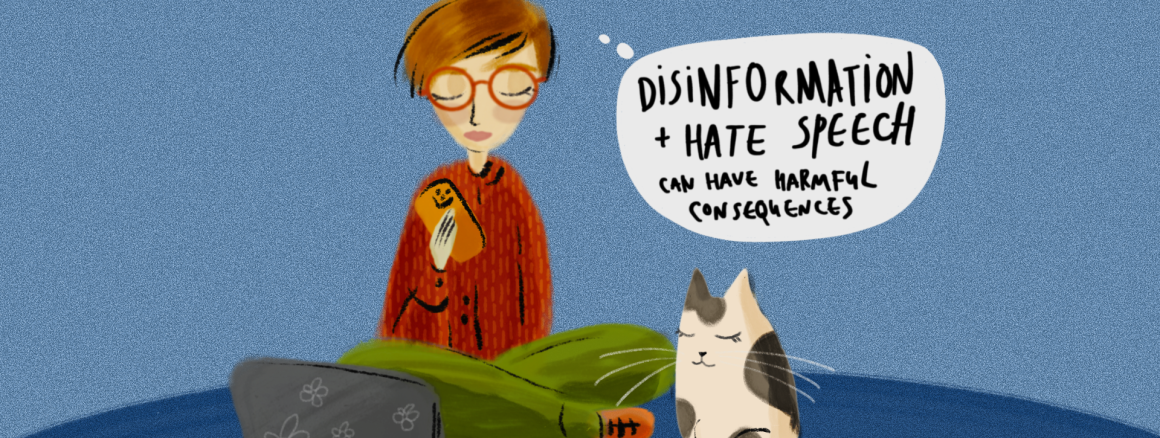
Claims about children being forced to dress like the opposite sex are a form of disinformation that, when paired with hate speech, can have particularly harmful consequences. These false narratives exploit existing fears and misconceptions about gender identity and expression, portraying LGBTQI+ individuals and policies promoting gender inclusivity as threats to traditional values. When such claims are amplified by hate speech, they not only falsely inform the public but also stigmatise transgender and gender-nonconforming individuals and expose them to additional discrimination.
Hate speech in this context intensifies the emotional and social divide, using inflammatory language to further vilify those advocating for gender equality. It creates a hostile environment where LGBTQ+ individuals are unfairly targeted, leading to discrimination, violence, and emotional harm. Additionally, disinformation and hate speech undermine trust in institutions and policies designed to protect human rights, further polarising society and hindering progress toward inclusion and acceptance.
Together, disinformation about gender and hate speech distort public discourse, fueling division and fear, while preventing meaningful discussions about the rights of all individuals, regardless of their gender identity.
Author: Despina Kovacevska
Illustrator: Lana Nikolić

The silent power of words: Unraveling Gender Disinformation in Albanian Media
December 5, 2024
Gender disinformation offers a vital lens through which we can better understand the intricate ways in which media perpetuates inequality and reinforces imbalances of power.
Alfred Peza’s resignation from Albanian Public Radio Television (RTSH) has exposed profound challenges in media representation and journalistic ethics. What initially appeared to be a routine administrative transition quickly became a significant media event, highlighting systemic issues within Albanian media landscapes.
Peza, who was appointed unanimously by the RTSH Governing Council in June 2023 for a five-year mandate, resigned from his position as Director-General RTSH on September 6, 2024, after a tumultuous tenure marked by significant organisational restructuring and personnel changes.
Internal Conflict Escalates: Claims of Harassment Within the Institution and a Voice That “Ought” to Be Silenced
News of his resignation intensified when media sources reported on a letter allegedly by Blerta Tafani, a well-known journalist and presenter at RTSH, that had surfaced unexpectedly on the same day he stood down from his role. The letter, which detailed claims of sexual harassment by Peza and was disowned by Tafani, generated an unprecedented media response. Within days, over 200 media pieces—spanning articles, social media posts, and news reports—dissected the unfolding narrative, underscoring the deep-rooted complexities of professional communication and accountability in contemporary media environments.
A critical analysis of the media coverage reveals deeply troubling patterns:
- Only 15% of the coverage focused on substantive institutional issues
- A staggering 70% of the reporting employed gender-biased language
- Less than 10% of the media outlets attempted to fact-check the claims
Peza’s resignation exposed a profound narrative of media manipulation and gender disinformation. The media’s approach revealed systematic strategies of narrative construction that disproportionately impact professional women. By strategically employing gender-coded language and reframing professional disputes through a lens of sexual innuendo, media outlets systematically undermined the professional credibility of individuals, particularly Blerta Tafani, who was once seen as the “second most important” person at RTSH, and often labeled also as the “sexy blonde”.
This incident exemplifies how gender disinformation operates through subtle, insidious narrative tactics that sexualize professional conflicts. The media constructed a spectacle that primarily served to discredit and marginalize a woman in the workplace, focusing on personal and emotional aspects rather than professional contexts.
Critically, Tafani’s denial of authoring the letter further exposed how media can transform professional conflicts into sensationalized stories that reinforce patriarchal norms and undermine institutional integrity.
The power of headlines
The media coverage of Peza’s resignation revealed a complex interplay of sensationalist narratives and gendered power dynamics. Headlines focused heavily on sexual allegations, framing the resignation not as a professional matter but as a spectacle of sexual misconduct.
Sensationalist language and unverified claims gendered the conflict, subtly undermining Tafani’s professional credibility by framing her role in a passive, stereotypically feminine narrative. This approach overshadowed more significant issues, such as allegations of institutional corruption, and administrative misconduct by Peza, while reinforcing harmful stereotypes. In doing so, the media engaged in gender disinformation, using narrative manipulation to discredit women’s professional agency and obscure deeper institutional failures.
Linguistic choices as tools for undermining women
The contrasting media portrayal of Peza and Tafani reveals a stark disparity: male professional conflicts are typically contextualized administratively, while women’s professional challenges are frequently sexualized and emotionally framed.
Media coverage of Peza remained professionally focused, carefully avoiding any personal or familial context. Conversely, Tafani’s representation consistently deviated from professional parameters, with several articles deliberately referencing her as “Blerta Tafani Hajdari” – a strategic linguistic maneuver that subtly introduced familiar and personal dimensions to her professional identity. The suggestion of an extramarital affair led to her being placed within the category of “loose women,” a label that carries deeply rooted societal judgments in Balkan culture.
This not only tarnished her professional credibility but also contributed to undermining the prospects of other women who might seek similar positions. Such linguistic choices created a public space for unwarranted scrutiny of her personal life, ultimately diminishing her professional authority. These tactics reflect the use of gendered disinformation, where language is carefully employed to erode women’s professional standing while reinforcing prevailing patriarchal structures.
Prioritizing narrative spectacle
The circulation of the purportedly authored letter by Blerta Tafani triggered immediate responses from a select group of journalists. These responses came primarily from two distinct categories: former colleagues of Peza and journalists or audiovisual professionals who had been dismissed during his tenure as television director. However, these critical viewpoints were largely sidelined within the broader media discourse, with coverage restricted to only 3-4 digital platforms.
In stark contrast, the letter’s narrative experienced a viral proliferation across media channels, characterized by unprecedented dissemination without elementary journalistic verification processes. This asymmetrical coverage revealed a strategic amplification of unverified claims, demonstrating a systematic failure in professional media standards.
The swift and unchecked circulation of the letter highlights a significant flaw in modern media practices: the tendency to favor sensationalism over fact-checking. By prioritizing dramatic narratives over substantive investigation, media platforms turned what should have been an institutional matter into a gendered spectacle, allowing unverified allegations to overshadow professional accountability.
The Intricate Dynamics of Professional Reputation Management
A carefully worded statement by Tafani neither confirmed nor denied the allegations, employing ambiguous language that media experts say is common in high-pressure situations. While such communication strategies may help navigate challenging press coverage, critics argue they can reinforce existing barriers to transparent workplace dialogue, particularly for women in professional settings.
Her approach, while tactically clever, underscores the emotionally corrosive nature of such defensive communication strategies, which compel professional women to continuously negotiate their credibility through emotional labour and performative restraint.
When contacted by Anabel magazine, Blerta Tafani denied making any prior statements about the incident and requested time for a future response. In a separate interview with Newsbomb.al, she challenged the letter’s authenticity, emphasising that documents lacking her signature should not be considered valid.
These conflicting accounts have prompted media outlets to scrutinise the situation more deeply, with some journalists questioning whether Tafani’s current stance reflects the full story or if external pressures may have influenced her position. The apparent discrepancy between the initial allegations and her recent statements has sparked broader concerns about witness reliability in harassment cases. In these situations, gender experts point out that disinformation tactics often target women who speak out, compelling them to retreat or remain silent.
The Gender Gap in Media Memory: Short-lived Stories vs. Lasting Legacies
The publication of the letter triggered an extensive media mobilisation supporting Blerta Tafani, coinciding with an ongoing Albanian media discourse on sexual harassment in the workplace and public transit environments.
Within the gender disinformation framework, harassment disclosure narratives reveal complex systemic mechanisms that silence women’s experiences. These scenarios create a corrosive environment that fundamentally undermines sexual violence survivors’ credibility and professional narratives.
The ‘boomerang effect’ reinforces toxic social narratives that portray women reporting harassment as either fabricating claims or inherently untrustworthy. This dynamic systematically discourages collective resistance against institutionalised gender-based discrimination, transforming legitimate professional challenges into performative spectacles that serve patriarchal power structures.
The gendered media ecosystem exposes a profound structural inequality: while men’s professional reputations are perceived as resilient and self-healing, women’s experiences are subjected to persistent scrutiny and potential permanent reconstruction.
By creating an atmosphere of persistent doubt, such representations effectively neutralise women’s testimonial power, revealing how media narratives perpetuate deeper societal power dynamics that consistently marginalise women’s professional experiences.
Addressing Gender Disinformation in Media
Media discourse must tear down the walls of silence that suffocate women’s experiences, refusing to be complicit in a system that perpetuates collective trauma. When news outlets callously dismiss allegations or maliciously frame survivors as untrustworthy, they become active architects of psychological violence, systematically crushing the fragile courage it takes for women to speak their truth. These aren’t mere narratives—they are emotional landmines that decimate survivors’ hope, confidence, and fundamental right to be heard and believed.
Instead, discussions must critically examine the nuanced societal stigma surrounding harassment reporting, exploring the profound professional and personal risks women face when challenging institutional power structures. By deliberately fostering a culture of accountability and support, media can transform from a passive conduit to an active catalyst for meaningful social change, ultimately dismantling the mechanisms that marginalise and invalidate women’s experiences.
Preventing Future Gender Disinformation
This case demands critical reflection on media practices and calls for more rigorous, gender-sensitive reporting standards that recognise and challenge these systemic narrative constructions. It serves as a powerful reminder of the media’s profound ability to shape public perception, often sacrificing nuanced, factual reporting and professional respect in the process.
By deconstructing such incidents, we can begin to understand and dismantle the mechanisms through which media perpetuates harmful stereotypes and supports existing gender inequalities.
Addressing gender disinformation requires comprehensive institutional interventions grounded in critical feminist methodologies. Leveraging theoretical frameworks from Bourdieu and Foucault, preventative strategies demand sophisticated epistemological redesign—integrating gender-sensitive media training, rigorous ethical guidelines, and independent investigative mechanisms. By systematically deconstructing entrenched power dynamics, institutions can validate women’s professional experiences and transform organisational cultures.
The ultimate goal is transforming media from a potential instrument of marginalisation to a platform for genuine dialogue, understanding, and social progress.
Authors: Fjolla Spanca, Raquel Hernandez
Illustrator: Lana Nikolić
Who is Out to Get Whom?
November 29, 2024
The Impact of Gendered Disinformation in Kosovo
In Kosovo, activists are raising the red flag on the rising impact of anti-gender movements and their agendas targeting human rights. Anti-gender movements have had a significant impact on the sexual politics of the region in the last couple of years. Experiences of feminist and LGBTQI+ activists in combating this impact are serving both as a warning and baseline for Kosovar women.
In favour of conceptualizing what the anti-gender movement is and what its motives are, Anne Oakley , British sociologist and feminist noted, that such movements consist of individuals and groups who oppose the feminist understanding of the term “gender” with the attempt to influence this notion. They strive to define gender solely in terms of the biological and/or “natural,” with the aim of supporting the patriarchal system as the only natural and logical order.
Drawing from their experience, feminist activists in the region have distinguished between traditional conservative social movements that promote a negative outlook on feminism and LGBTIQ rights, and anti-gender movements, with the latter being specifically characterised as a movement beyond the national aspect, making way for transnational means of organising.
Although there is currently no local research in Kosovo mapping out the ways anti-gender movements are shaped and manifested, local activists have noted that messages of such movements are consistently being reproduced through the spread of anti-gender narratives, misinformation, disinformation and propaganda on gender and sexuality. Generally, these narratives aim to manipulate perceptions of gender roles, minimise the impact of feminist activism, and curb the momentum and hinder progress on gender equality.
In the public discourse, anti-gender narratives are disguised as protective measures in favour of traditional values and family structures, or as gendered disinformation which contributes to nationalist, populist, and often religiously influenced agendas. The victims of these narratives are primarily women, LGBTQI+ individuals, and children—both girls and boys— who pursue educational curricula characterised by often distorted gender norms and stereotypes. Through education and socialisation based on such norms, young boys are becoming part of the larger chain of incitement, producing hyper masculinity and gender-based violence.
Gendered disinformation targeting sexual politics
A draft Civil Code of Kosovo has had slow progress under different governments since 2014. During that time, activists have continuously come together to request that same sex marriages are regulated within the code, in accordance with the rights guaranteed by Kosovo’s constitution.
Parliamentarians failed to adopt the draft Civil Code in an assembly hearing in 2022. Although the government has consistently promised it will seek to ensure the support of members of the parliament for its approval, as of 2022, discussions related to the approval of the draft have been continuously postponed.
This has not stop several deputies from using the draft Civil Code to spread disinformation. Article 1383, paragraph 2 of the latest public draft of the Civil Code available as of 2022, notes that civil unions of persons of the same sex are recognised, but that they will be regulated by another law. Marriage is defined precisely in Article 1283, Paragraph 1, as a union between two spouses of different sexes, husband and wife. Despite these definitions, MPs used article 1283 to promote homophobia and disinformation in relation to the what the draft Civil Code entails, by noting that the code recognises and regulates same sex marriages. Following the discussions on the draft Civil Code, MPs have publicly used derogatory terms to refer to LGBTQI+ persons, noting, among others, that they are sick, spread sickness and pose a threat to public health.
During numerous public appearancess the head of the legislative committee for human rights and gender equality, Duda Balje, noted that same sex marriages go against “her” religious and cultural traditions, and that sexual orientation is decision-based.
Many activists have joined forces to request Balje’s withdrawal from the position she holds, however, they have not been successful and Balje continues to spread hate-speech and disinformation on the matter. Civil society organisations have also filed a claim against Labinote Demaj Murtezi, one of the MPs who used derogatory language against the LGBTQ+ community. Although there has been an outcry and demands from civil society, there have been no official measures taken from corresponding institutions to condemn the language being used by MPs. That’s despite the impact these statements have had in the form of disinformation that has shaped distorted public perceptions in relation to fundamental human rights and freedoms, and in their reflection to an upcoming Civil Code.
Gendered disinformation targeting women’s bodily autonomy
Women’s bodies are the most common focus of attacks of anti-gender narratives, including disinformation and misinformation. Women’s bodies and reproductive rights were the theme of this year’s annual march of the 8th of March, organised by the feminist activists collective “Marshojmë s’festojmë”. Women and girls protested on the streets and rallied against statements of various parliamentary deputies who used the Draft Law on Reproductive Health and Medically Assisted Conception to spread misinformation and disinformation on the rights the law would allegedly grant.
Such disinformation techniques, which stir up fear around women’s rights to single motherhood through In Vitro Fertilization (IVF), have been repeatedly used by various MPs, including Visar Korenica, Eman Rrahmani, and Labinotë Murtezi-Demi from Vetëvendosje (VV), Albena Reshitaj from the Alliance for the Future of Kosovo (AAK), and Duda Balje. These figures have emphasised and promoted sensationalist claims that reproductive rights granted by this law threaten traditional institutions of marriage and family, and may lead to an increase in single mothers and absent fathers. Deputies have depicted single women as emotionally unstable and have publicly suggested that IVF procedures through anonymous donors risk incest and undermine the Kosovar national identity.
Appearances in the assembly and the media centred around the supposed harm the law would bring to Kosovar society, including delaying couples’ access to more affordable IVF procedures in public health institutions. Except for women’s rights organisations and feminist activists who encouraged the adoption of the law, the public debate generally focused on the enlisted disinformation and misinformation, instead of on the importance of health and reproductive rights that promote women’s bodily autonomy.
On some occassions, the assembly of Kosovo has served as a performing stage for gendered disinformation. In the majority of cases, social media platforms are serving as key spaces for anti-gender narratives to spread.
Recently, one of Prishtina’s primary schools was virtually targeted for requesting parents to register their children on behalf of two parents, namely, under the terms “Parent 1” and “Parent 2”. Despite the official school statement that this decision had come from a school working group and parents, as well as civil society organisations supporting it, the news was quickly spread online as a threat to traditional family values.
Furthermore, when the Ministry of Education, Science and Technology recently published the Manual on Sexual Education and Reproductive Health for grades 1-5, deputies continued using social media to attack the contents of the manual. They extracted paragraphs of the text which were poorly adapted from English to Albanian, distorting the interpretation of such paragraphs and using them to spread disinformation. They said the textbook “encouraged pupils to touch one another sexually” as well as “teaches kids from grades 1-12 how to have sexual relationships”.
Who is out to get whom?
Women’s, LGBTQI+ and children’s rights are continuously being hindered and jeopardised as the assembly, traditional and social media are transformed into arenas of anti-gender narratives, and political figures use their public accounts to spark hatred and violence.
If we conduct a brief overview of what is being publicly considered as “a threat to society”, we may as well realise that the real threat to society relies on the distorted opposition to many legal initiatives which could serve as catalysts for improving human rights.
Although codification of civil rights through the draft Civil Code remains pending, it could contribute significantly to equal property division among spouses, among many other issues, as it acknowledges women’s unpaid work as mutual household responsibility. The draft Law on Health and Reproductive Health could significantly lower the burden of women and couples who want to have children using FAM (fertility awareness methods) procedures, as they would be able to request such services publicly instead of heading to private hospitals, in which the expenses can be overwhelming. Furthermore, the law could play a remarkable role in promoting women’s bodily autonomy. However, the law continues to be oppossed by conservative MPs who are against women’s bodily autonomy.
As per schools, using the Parent 1 and Parent 2 terminology would contribute to dismantling the patriarchal culture under which all school records of children are assigned under the name of the father. This way, schools could promote sharing of responsibilites in relation to what is currently an unequal childcare burden, where women in Kosovo are responsible for tending to children at home whereas fathers are the ones who show up as heads of households in official records. Lastly, Kosovo is one of the first countries in the Western Balkans trying to integrate sexual education in the school curriculum. However, campaigns have quickly multiplied across Kosovar municipalities and directorates of education, disseminating distorted or misleading information about existing sexuality education curricula. They have presented sexuality education as sexualising children at an early age. Disinformation of this sort about the actual contents of the curriculum is deliberately spread to scare parents and teachers, although research has shown that should children be more aware of their bodies, gender identities and sexualities, this could contribute to a decrease in gender-based violence, promotion of consentual and healthy relationships, as well as an overall social acceptance towards all the ways gender and sexuality are expressed.
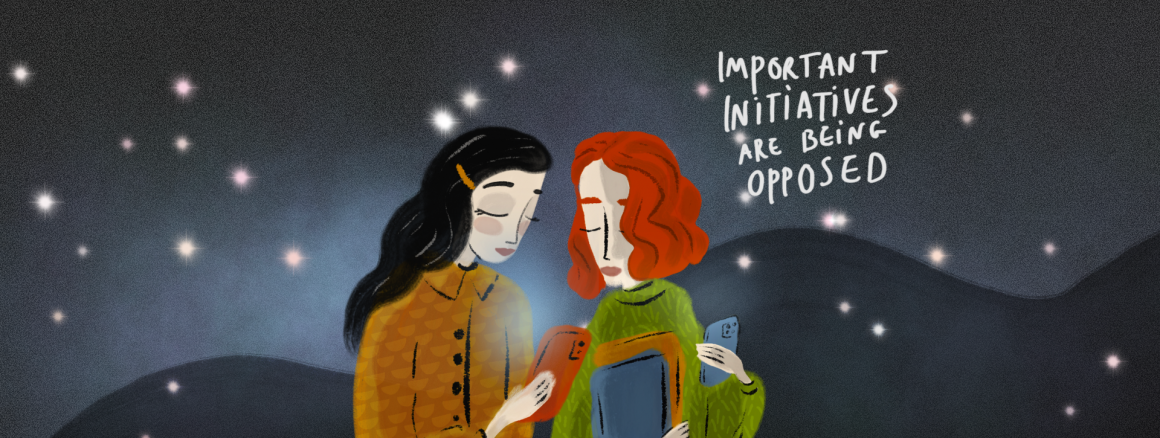
And if all of these important initiatives are consistently being opposed, all the while promoting “healthy” family values, in reality, who is out to get whom? And what sort of “values” are being promoted as societal and collective, and aren’t these values selective, based on the fact that they only contribute to the reproduction of patriarchal norms and stereotypes?
As the impact of anti-gender narratives increases, including through the spread of gendered disinformation and misinformation, Kosovo risks retraditionalisation which is already being manifested in the form of hypermasculinity and gender-based violence. If political figures, MPs and the media continue reinforcing gender norms and stereotypes, anti-gender narratives may manage to mark significant regress in relation to fundamental rights and freedoms, as politics of nationalism and populism replace the discourse of human rights.
Author: Valmira Rashiti
Illustrator: Lana Nikolić