Author: RDN

Open call for project applications
April 10, 2025
Media Diversity Institute Western Balkans along with the partners in Reporting Diversity Network have opened the call for project proposals aiming to counter hate speech and improve representation of diversity.
The call was opened as part of the Reporting Diversity Network, which was established with the objective of effectively influencing media representation of ethnicity, religion, and gender in the Western Balkans. RDN aims to activate the role of civil society in countering the narratives of division and replacing them with much- needed positive discourse contributing to the value of good neighbouring relations and respect for social diversity.
The Call for Proposals will be publicised with the overall objective of increasing the influence of CSOs on media reporting shaping perceptions of ethnicity, religion and gender in the Western Balkans.
The specific objectives of the Call will be to:
- strengthen the position of local CSOs in safeguarding their beneficiaries’ rights in media
- provide opportunities for local CSOs to influence public perceptions and respond to hateful and harmful narratives contributing to polarisation.
- increase the number and quality of messages conveyed to the audience to diminish the effect of polarising narratives
- improve visibility and media representation of women and minority rights’ issues
- contribute to positive perceptions of the others and tolerance and inclusion in the region
Types of actions that are eligible for funding (list is open and might include other project ativities as long as they contribute to the above-mentioned objectives):
- Advocacy and awareness-raising campaigns;
- Production of media content;
- Creation of campaigns countering hateful narratives in the public sphere;
- Consultations, roundtables and meetings with local stakeholders;
- Facilitating policy dialogue with stakeholders (e.g. political parties, local officials, expert community, media).
All activities must take place in the country where the organisation is registered. Project timeframe is maximum of nine month.
The overall budget for the programme is 30.000 EUR per country. Five projects per country will be supported, while the envisaged size of grants is minimum 5,000 EUR and maximum 7,000 EUR.
CSOs responding to this call must meet the following criteria:
- that they are registered with the Business Registers Agency or respective authority in the country (please refer to the call relevant to your respective country) and that they have settled all legal obligations;
- have experience in the field of representation of diversity and/or hate speech;
- be directly responsible for project preparation and management;
- that their bank account is not blocked;
- that the organisations are not beneficiaries of the funds of the EU Civil Society Facility and Media Programme in favour of the Western Balkans and Turkey for 2021-2023 (IPA III), budget line: 15.020101.01
- Organisations can submit only one project proposal under this Program as an applicant or as a partner
We welcome applications from diverse type of civil society organisations: grassroot organisations, memebrs of the larger-scale networks acting nationaly or regionaly, media established as CSOs.
Partnership with local media will be considered as an advantage and will ensure additional points.
A one-day training regarding the rules and procedures for the implementation of EU grants will be organised for selected grant recipients. The training will cover topics such as: project management, visibility rules, financial reporting, etc.
In addition, selected CSOs will be provided with mentoring support to assist them in conducting creative media campaigns to raise public awareness as well as in managing project activities.
We invite all interested organisations to fill in the application forms (attached).
The deadline to submit the application is May 31. The deadline to submit the questions is May 9.
The email for the submission of questions and proposals is published in each country call.
The evaluation criteria:
- Relevance of the proposal to the objectives of the Call for Proposals and relevance of the proposal to meet the needs of the target groups; (30 points)
- Effectiveness and feasibility of the action – clear links and consistency between objectives, estimated results, proposed activities and strategy; (20 points)
- Financial and operational capacity to autonomously undertake the proposed activities – an elementary level of organisational and managerial capacity will need to be demonstrated; (20 points)
- Impact and stakeholders’ involvement – proposals must be feasible and indicators objectively verifiable (number of citizens that will be involved in the action); (10 points)
- Involvement of vulnerable groups and gender-related issues – proposals need to take into consideration the needs of vulnerable groups; (5 points)
- Follow-up – proposals clearly stating how this project will align with their organisations’ plans and future activities. (5 points)
- Budget and cost effectiveness of the action – ratio between estimated cost and expected results must be satisfactory (10 points)
The Evaluation Committee will pay attention to geographic and thematic diversity of the grants, while respecting the principals of equal opportunities and inclusiveness.
Note: The Media Diversity Institute Western Balkans may request additional documentation.
Applications will be reviewed by an independent Evaluation Committee.
You can find the application form here, ad the budget form here.
The call in PDF format is available for download here.
We kindly advise you to check the calls in your respective countries:
Albania – Thirrje e hapur për aplikime për projekte – RDN
Bosnia and Herzegovina – Otvoreni poziv za projektne prijedloge
Montenegro – Otvoreni poziv za projektne prijedloge
North Macedonia – Open call for project applications
Kosovo – Call for grant applications
Serbia – Otvoren poziv za projektne predloge
Frequently asked questions and their answers are here!

Troll of the Month: Miroslav Kraljević, the mayor of Vlasenica in Bosnia and Herzegovina
April 3, 2025
The Balkan Troll of the Month is an individual, a group of individuals or a media outlet that spreads hate based on gender, ethnicity, religion, or other diversity categories. The Balkan Troll is selected based on hate speech incidents identified across the Western Balkan region.
Miroslav Kraljević, the mayor of Vlasenica in Bosnia and Herzegovina, publicly praised and glorified convicted war criminals Radovan Karadžić and Ratko Mladić during a public speech. Both Karadžić and Mladić have been sentenced to life for genocide, crimes against humanity and war crimes in Bosnia and Herzegovina by the International Criminal Tribunal for the former Yugoslavia and its Residual Mechanism.
Following this, Vlasenica Municipality Info Portal and other media picked up and reported on Kraljević’s speech, referring to the aforementioned war criminals as “famous names that deserve great respect.” As a result, media outlet Detektor.ba – focused primarily on investigative journalism and in-depth reporting – reached out to several individuals seeking statements and comments on the event. Mirzet Redžić, a representative in the Vlasenica Municipal Assembly, said that this was a bad move when tensions in the country were rising.
The outlet also reported a statement by Murat Tahirović, president of the Association of Victims and Witnesses of Genocide, who announced that he will file a report with the relevant prosecutor’s office. Following the High Representative Valentin Inzko’s decision to introduce an amendment to the Criminal Code in Bosnia and Herzegovina which included a ban on the glorification of war criminals and denial of war crimes back in July 2021, such violations can be criminalised.
Alongside this, the media outlet reported that Miroslav Kraljević, a former commander of a special platoon, was charged in the past with the persecution of Bosniak civilians in Vlasenica. Specifically, unlawful detention, murder, sexual abuse, torture, disappearances and other inhumane acts committed during 1992 and 1993. Furthermore, Kraljević was also reported for inappropriate behaviour during the election campaign, but the report was dismissed as unfounded, and Kraljević was elected to the same position for the third time.
The glorification of war criminals and appraisal of war crimes continues to plague the Balkans especially in Bosnia and Herzegovina where certain high political figures and ranking individuals, use their platforms to glorify convicted war criminals and undermine criminal acts and the Srebrenica genocide. Indeed, most recently, the president of Republika Srpska, Milorad Dodik, has been sentenced to a year in prison for defying the rulings of the top international official Christian Schmidt, in charge of overseeing peace in Bosnia and Herzegovina following the war. Dodik has on numerous occasions and persistently downplayed the Srebrenica genocide, often referring to it as ‘fabricated’. Having high-ranking officials like Dodik and Kraljević use their platforms to glorify internationally convicted war criminals and downplay acts of war crimes is incredibly dangerous. In a multi-ethnic and multi-religious country like Bosnia and Herzegovina, the fabric of a war-torn society remains fragile, especially when there is still a lack of reconciliation and accountability for war crimes and genocide. Speeches like Kraljević’s only serve to deepen divisions among ethnic groups and sow seeds of hate within society. Instead, these officials should be using their platforms to promote reconciliation, and a forward-looking vision for a multiethnic society living in piece. Furthermore, if these officials violate the rules in place and glorify war criminals, they should be held accountable for it.

Monthly Highlights February: sensationalistic reporting, ethnic hate, attacks on journalists and sexual exploitation alongside media manipulation and targeting of CSOs
March 19, 2025
During February, the RDN monitoring team detected a range of hateful narratives and discourse fuelled by sensationalistic reporting, ethnic hate, sexual exploitation and violence against journalists alongside media manipulation and targeting of CSOs.
Sensational reporting in Bosnia and Herzegovina and Kosovo targeting victims of gender-based violence
In the month of February, a woman and her son were killed in Kalesija, Bosnia and Herzegovina. The suspect is the husband and father of the child. The media reported about this sensationally, especially Raport.ba and Avaz.ba. Reports even misinformed the public by reporting in one article that the mother of the killed woman entered the apartment with the police and found the bodies of the murdered woman and her son. On the other hand, another article reported that the mother had reported to the police that her daughter was not answering her phone.
Avaz.ba took statements from neighbours, publishing “the first footage from the scene of the crime” and stating that “a monster killed a woman and her minor son with his bare hands”. This type of reporting not only undermines the dignity of the victims but also risks inspiring violent behaviour in others.
The websites Raport.ba and Avaz.ba once again set a troubling precedent with their sensationalist and unprofessional coverage of the femicide case in Kalesija. Both outlets prioritised unofficial and irrelevant details that were not in the public interest, disregarding journalism standards. This type of reporting is not only irresponsible but also problematic, as it fails to uphold ethical journalistic practices.
In Kosovo, a citizen by the name Valmire Sylejmani posted several photos on her Facebook profile of a woman who was begging and had large bruises on her face. The photo showed indication of physical abuse and harm. In her post, she wrote, among other things:
“The woman in my post is named Adile, and she is from Gjilan/Gnjilane. She has mental health issues, as does her mother. This woman is sexually exploited, forced to beg for others, and when she fails to bring in enough money, she is brutally abused, as can be seen in the photograph.”
The post was shared over 270 times, drawing the attention of the media outlet Gazeta Sinjali, which published both Valmire’s post and a photo of the physically abused woman.
Following the publication of the post, the prosecution launched an investigation. Initial reports suggested that the woman, who lives with her mother (who also has mental health issues), was kidnapped. The individual who forced her to live with him, along with several family members, allegedly subjected her to physical abuse and is suspected of sexually exploiting her. She was also forced to beg in multiple cities.
The perpetrator has since been arrested, while the victim, after receiving medical care, has been released for home treatment.
In this case, the media acted irresponsibly by circulating her photos online, violating her privacy. Sharing images of a victim in this manner serves only to sensationalise the case rather than prioritising justice and ensuring those responsible are held accountable under the law.
Ethnic hate and violence in Albania
At the beginning of the month , two contestants from Big Brother VIP Albania, Jozi and G Bani, were expelled from the show after receiving Black Envelopes for violating the program’s rules. Jozi was removed for making ethnic-based hate speech against fellow contestant Gjest, calling him a “kopil shkine” and questioning his Albanian identity. His remarks quickly went viral online and sparked backlash across social media. Gjest’s family publicly defended him, and major Albanian media outlets covered the incident, reigniting discussions on ethnic-based hate speech in public discourse. Meanwhile, G Bani was expelled for physically attacking Gjest following an altercation in which Gjest reportedly sang a song mocking G Bani’s left eye condition. After his expulsion, G Bani expressed regret in an interview but stopped short of apologising for the attack, stating, “I regret it, but not because I did that thing to him. I regret it because I betrayed the trust of the production team, who believed in me to be part of this format. I know very well that the production does not tolerate anything like that.” His comments divided public opinion, with some defending his actions as an emotional reaction while others condemned them as an unacceptable justification for violence.
However, at the end of the month the same two contestants – Jozi and G Bani – who were previously expelled have been readmitted to Big Brother VIP after a public vote. The program asked the audience whom they would like to bring back, and the audience decided to reinstate both contestants. Despite there being a significant discussion on social media about their misconduct, which initially pressured the program to expel them, the program nonetheless, later included them in the list of candidates for re-entry, and the audience ultimately forgave them by voting them back in. This case reveals how the program itself operates with little regard for its role in shaping audience awareness and responsibility. Rather than taking a firm stance against inappropriate behaviour, it prioritises entertainment and viewership over ethical considerations. Furthermore, in terms of the audience, it is evident that at times, hate speech and its consequences are often overlooked or normalised due to a lack of awareness and critical discussion.
Reality TV like Big Brother VIP which has a large viewership and audience should ensure that they do not display any forms of violence, intolerance or hate on their platform. Furthermore, should such incidents take place, it is their responsibility to hold those accountable and to take precautionary measures that such cases are not repeated.
Attacks on journalists in Montenegro
In Montenegro, while covering the hearing of criminal group members outside the prosecutor’s office, a photojournalist from the investigative outlet Libertass Press was attacked by one of the accused, Predrag Veljić. He threatened to smash the journalist’s camera over his head and shouted derogatory insults at him.
Savo Prelević is a photojournalist for the media outlet Libertas Press, which covers crime. In Montenegro, as well as in the Balkans, journalists are not well protected and are constantly exposed to attacks from the people they report on. Journalists face significant dangers when covering sensitive topics such as crime, corruption, human rights abuses, and political conflicts. They are often targeted with threats, harassment, physical attacks, and even legal persecution, especially when exposing powerful figures or criminal networks. Ensuring their protection requires both legal institutions and respect from all sides. In Montenegro, journalists are protected under the country’s Constitution, which guarantees freedom of the press and expression. Furthermore, globally, the protection of journalists is reinforced through various international instruments. The Universal Declaration of Human Rights upholds freedoms of expression and press, specifically Article 19 which notes that “Everyone has the right to freedom of opinion and expression; this right includes freedom to hold opinions without interference and to seek, receive and impart information and ideas through any media and regardless of frontiers”. No journalist should feel threatened whilst doing their job to inform the public mean whilst those who ignore such laws, should face the appropriate consequences.
Sexism and exploitation in North Macedonia
In North Macedonia, a case was brought to light involving a man who mistreated his wife throughout a nine-year marriage. During this time, it was discovered that the perpetrator abused his position and treated his wife in a particularly humiliating and cruel manner, taking complete control over her and her life. He inflicted physical and psychological harm and violence against her, continuously inflicting bodily harm on her and threatening her life alongside those of her family members. Furthermore, he began to force her into sexual exploitation through prostitution for financial gain and narcotics.
Very often in these cases, the media, by merely republishing prosecutorial statements without deeper analysis or context, reduce complex instances of prolonged abuse and coercion to sterile, bureaucratic reports. This approach obscures the systemic issues and power dynamics at play, failing to convey the full extent of the victim’s suffering and the broader societal factors that enable such violence. As a result, there is no public debate, leaving these critical issues unexamined and reinforcing a cycle of silence and inaction. The media have a role and obligation to convey information to the pubic in a transparent and detailed manner. Rather than republishing statements and information, they should seek out expert analysis, survivor testimonies, and background information to expose the deeper systemic issues behind such cases. Furthermore, the media should utilise their influence to initiate discussions on sexual abuse and coercion, shedding light on the societal factors that enable and perpetuate these issues.
Media manipulation and targeting of CSOs in Serbia
When the U.S. State Department suspended all foreign aid for at least three months in late January, Serbian tabloids seized the moment to further vilify civil society organisations (CSOs), portraying them as national enemies and foreign mercenaries. This narrative, often originating from high-ranking public officials, was amplified through pro-regime tabloid media. What these media outlets failed to mention was the substantial U.S. funding received by Serbian public institutions.
The tabloid portal Alo! falsely claimed that the Trag Foundation was “using drug money to fund student protests,” while CRTA and other organisations faced relentless attacks across multiple tabloid portals. CSOs were framed as “destroyers of Serbia” and accused of working against their own country. Individuals affiliated with these organisations were targeted in articles that revealed their full names and whereabouts. One text alleged that CSO members had gathered in Niš for “a briefing,” publishing full names from a hotel guest list. Another published a photograph of CSO representatives and opposition politicians taken at an airport, alongside a list of their names and the exact flight they were taking. Both texts, including several others have been removed from the portal of tabloid Informer where they were published.
The targeting culminated on February 25th when armed members of the Criminal Police Directorate entered the offices of five CSOs. CRTA, one of the CSOs under investigation claims they read about this in tabloid headlines about 20 minutes before the police actually came to their office. Several days before this happened, pro-regime media and public officials, including Serbian President Aleksandar Vučić, were announcing investigations of CSOs. In the TV show Hit tvit on Pink TV, Vučić said that we will see “how much crime there was in the non-governmental sector”. A day after the police came to the CSO offices, while they were still there, tabloid Srpski Telegraf announced on their front page “Arrests coming soon in Serbian NGOs.” Until now, no arrests have been made, and no further information has been released regarding the investigation into these five organisations. Against the backdrop of the months-long protests and the escalating repression of students, citizens, opposition politicians, and CSOs, these events appear to be yet another attempt at intensifying intimidation and political pressure against those critical of the government.
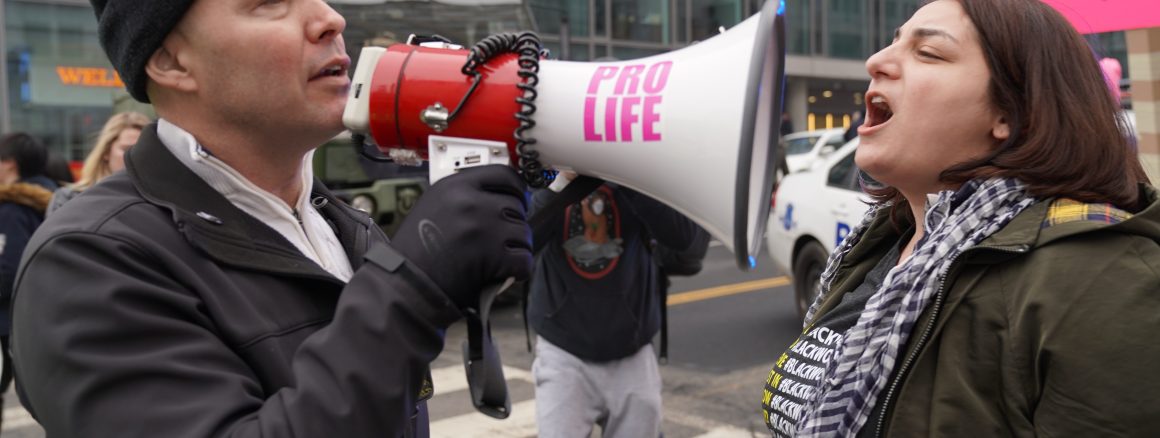
Anti-abortion Campaign Gets Positive Coverage in BiH Media
March 17, 2025
Critical reviews of the “40 Days for Life” initiative and its real impact on women is absent in the media.
Last week, the Parish of St. Matthew in Mostar announced that “Mostar, and thus Bosnia and Herzegovina, is included in the ‘40 Days for Life’ international initiative”. The activities of the campaign will be carried out through a vigil, which will be held daily from 8:00 a.m. to 8:00 p.m. from 5 March to 13 April, in front of the University Clinical Hospital in the city.
“Everyone who can join this initiative to protect unborn life is welcome. You can also participate by fasting and praying for that purpose,” the Parish’s announcement reads.
The announcement also stated that 40 Days for Life is “an internationally coordinated 40-day campaign that aims to stop abortion at the local level through prayer and fasting, local community awareness and peaceful vigils”.
The vigil and information about the initiative was reported by the Fena news agency. The media in Mostar, including Večernji, Mostarska Panorama, and Bljesak, reported on it positively, while media from other cities in Bosnia and Herzegovina ignored the news. Information about what this initiative actually means, how it affects women and their right to abortion, as well as critical reviews and reactions to the movement, were absent.
The media in Mostar reported that “the first day of the campaign passed in an atmosphere of joy and enthusiasm, and the petitioners expressed their satisfaction and positive impressions”. They also quoted one of the campaign participants who said: “Statistics show that, in cities where similar initiatives were started, many abortion clinics were closed, the birth rate increased, and our people experienced a spiritual renewal.”
They also reported that 60 people had signed up, which, according to the initiative’s spokesperson Danijela Mustapić, is a miracle, since they had set a “megalomaniac” 12 hours for the daily vigil. They also highlighted the initiative’s “impressive results” worldwide, citing how many doctors had resigned and how many abortion clinics had closed. They did not contact any of the women’s organisations in BiH for their opinion, nor did they convey any of the numerous criticisms from organisations and media outlets around the world. They forgot to mention that the right to abortion is guaranteed by law in BiH and that every woman has the right to decide on the termination of pregnancy according to her own choice.
Some media outlets, including BHRT, had previously announced the initiative without criticism by quoting Fena’s release. In the report, the organisers welcomed anyone who wanted to join the “initiative to protect unborn life”.
Campaign background
Croatia is the closest country to Bosnia and Herzegovina, and an anti-abortion campaign has been underway there for several years. Through media reports, it is possible to reconstruct the beginning and expansion of this movement.
Reports about this initiative in the media in Croatia go back ten years. In 2016, activists of the 40 Days for Life initiative in Vukovar announced on their Facebook profile that they knew a certain patient was coming to the Vukovar General Hospital for an abortion and invited people to join them in prayer in front of the clinic.
When asked at the time by Nova TV whether such announcements violated women’s rights, the coordinator of the 40 Days for Life initiative, Lidija Dugan, answered: “Absolutely not. The 40 Days for Life initiative is here to pray, people stand in front of the hospital if perhaps a pregnant woman comes to have an abortion, so we can help her if she turns to us. We don’t approach anyone first; we stand and pray for those families and all those wounded by abortion.”
In February 2021, Index.hr described the participants of 40 Days for Life as “Catholic fanatics who mistreat women in front of hospitals” in one of its articles and announced that on that day, Lent began in 33 Croatian cities, at 35 vigils, where they will pray and hold vigils to stop abortions.
In 2022, the same media outlet also published an extensive article about the praying people on the main square in Zagreb, with the headline “Who Stands Behind the Kneelers on Ban Jelačić Square?” The article wrote that this is a gathering of extreme Catholics who are bringing a previously unknown practice to Croatia that has no basis in the local religious tradition.
They also wrote that the vigil attendees are gathering at the invitation of the Muževni Budite (Be Masculine) project, “of the ultra-Catholic association Hrvatska za Život (Croatia for Life), which is connected to praying people in front of hospitals and trying to dissuade women from abortion using psychological pressure through the 40 Days for Life initiative”.
As stated on the official website of the 40 Days for Life initiative in Croatia, it began in 2007 in the American state of Texas.
“It is an idea of American evangelical Protestants that was then implemented in the Croatian Catholic environment,” wrote Index.hr in an article published three years ago.
The long-time leader of this initiative was David Bereit, who visited Croatia in 2015 and held a lecture stating, among other things, that “Croatia is the country where 40 Days for Life is growing the fastest”.
This statement by Bereit is evidenced by the map showing the activity of this initiative around the world, including Croatia, and now Mostar. The movement’s popularity in Croatia is also indicated by the number of their Facebook pages.
Reactions in Croatia
While waiting for reaction in BiH to the initiative that started in Mostar, let’s look back at a few reactions in Croatia.
Neva Tölle, an advisor at the Autonomous Women’s House Zagreb, said last year that “the kneelers in squares are associated with the harassment of women in front of hospitals when they exercise their legal right to abortion, with the abuse of conscientious objection in an institutional sense, and with the disregard for the basic principles of equality according to which women do not need so-called spiritual authorities because they have their own integrity, autonomy, and decide for themselves about all aspects of their lives, especially about their own bodies”.
In 2023, among other things, the SDP Croatia Club stated that gatherings near health institutions may take place, but only at a distance of at least 200 metres from those institutions in order to prevent the mistreatment of women.
One person who has independently responded to the initiative, and continues to do so today, is Arijana Lekić Fridrih – an artist, director and activist. Every first Saturday of the month, she stands silently in squares across Croatia, confronting the praying people and highlighting violence against women in society.
In an interview for Interview.ba in 2024, Fridrih said that the silent masses she performs are participatory performances on various topics about the suppression of women’s rights and that she tries to deconstruct the narrative heard from the vigil attendees that certainly affects the position of women in society.
She also mentioned Poland, saying that vigils started appearing in that country five years ago and initially it was just a small group of men.
“Then it formalised into a movement in many cities in Poland which lobbied for the policy that came to power there, which is an ultra-conservative policy that is especially dangerous for women. It led to women dying because abortion was forbidden,” she told Interview.ba.
As reported by Jutarnji.hr, she also recently set up an art installation as part of a silent mass, protesting against the “kneelers” who pray for the “chastity” of women in society on the first Saturday of the month at the Peristil Square in Split.
In early March in Zagreb, the men kneeling and praying the rosary on the main square also prayed for “modesty in clothing, the prohibition of abortion and the spiritual authority of men in the family”.
The right to abortion in BiH
While we await the first reactions in BiH, if there are any, we reinforce the fact that BiH has ratified the most important international and regional human rights agreements, which cover rights related to sexual and reproductive health.
As stated in the report of the Human Rights Ombudsman Institution of BiH, according to international human rights bodies and the United Nations, the laws which criminalise abortion are discriminatory and prevent women from enjoying good health and states should decriminalise abortion under all circumstances.
According to the FBiH Law on Conditions and Procedures for Termination of Pregnancy and the RS Law on Conditions and Procedures for Termination of Pregnancy, every woman has the right to make her own choice regarding abortion up to the tenth week of pregnancy.
Photo credits: Phil Pasquini / Shutterstock.com
Author: Selma Fukelj
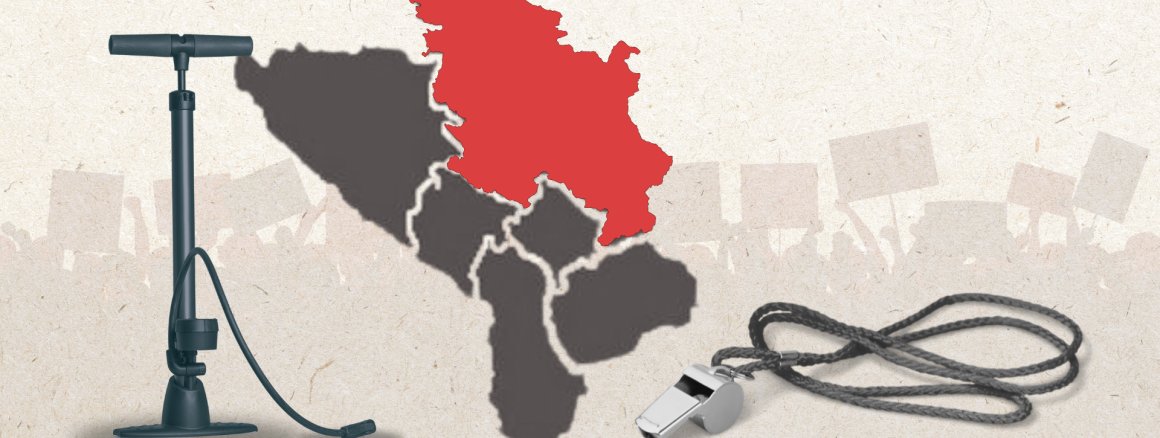
Regional media reporting on months-long student-led protests in Serbia
March 14, 2025
Novi Sad train station canopy collapsed on November 1st, 2024, killing fifteen people, and severely injuring two more. This ignited a nationwide, student-led movement in Serbia, demanding justice for victims and the rule of law. Since the protests began, RDN has closely followed how Serbian media have covered them. As students are currently marching from all parts of the country towards Belgrade for a huge protest tomorrow, we present our regional analysis of media reporting on the protests so far.
As the protests gained momentum, media across the region provided extensive and in-depth coverage of the movement. Generally, reporting was professional and credible, with most outlets portraying the protests authentically. This topic gained coverage across media with large audiences, such as media with national coverage and popular portals.
In North Macedonia, the protests were largely framed as student-led, with the four main demands clearly communicated to the public. However, many outlets provided the same space for statements from high-rank public officials such as Serbian President Aleksandar Vučić, that often include harmful rhetoric, targeting and discrediting students and citizens who support them. A similar trend was observed in Montenegro, where certain media repeated narratives coming from pro-regime Serbian outlets and government representatives, who frequently labeled the protests as a ‘color revolution’. Some of the most common media narratives based on manipulations and spin had a spill-over effect from Serbian tabloids and pro-regime media to other countries in the region. For example, in North Macedonia, some media also adopted the ‘color revolution’ framing of the protests.
Despite Serbian pro-regime media pushing disinformation that the protests were influenced by Albania, Albanian media covered the movement in a detailed and professional manner. Serbian tabloids claimed the protests were backed by Western powers and their ‘regional satellites’ Croatia and Albania, portraying these countries as ‘enemies of Serbia and the Serbian people’. While most Albanian media depicted the protests authentically, some also shared unfounded claims on the supposed Russian and Chinese influence on the movement. However, such claims remained marginal. In-depth articles analysing the protests’ root causes dominated the discourse, with the movement primarily framed as a broad, unified stand against the Serbian government. However, students in Serbia consistently emphasised that their demands were directed at institutions, regardless of which government was in power. While Serbian and regional media often framed the protests as strictly anti-government, students communicated their fight as a fight against systemic corruption. A similar case was noted in Bosnia and Herzegovina, when a widely read portal, Klix.ba, reported that students were protesting “against the ruling SNS party and Serbian President Aleksandar Vučić.”
Beyond this case, other major outlets in Bosnia and Herzegovina, such as Mostar-based portal Bljesak and portal Nezavisne in Banja Luka reported objectively and professionally, listing all student demands and portraying protests credibly. Klix.ba had reporters on the ground during the February 1st protest in Novi Sad, when students blocked all three city bridges. In its coverage, this portal quoted students expressing dissatisfaction with authorities’ response to the station canopy collapse and their belief that those responsible had not been properly prosecuted.
Kosovo media have reported on the protests professionally since the beginning, though without daily updates. National outlets covered major demonstrations and key events, but Kosovo’s parliamentary elections in February remained their primary focus. The protests were presented as student-led, with the four key demands clearly communicated – the publication of the complete documentation on the reconstruction of the Novi Sad train station, the dismissal of criminal charges against students and youth arrested and detained during protests, filing criminal charges and prosecuting attackers of students and professors and a budget increase for higher education.
As mentioned, some Montenegrin media outlets transmitted harmful messages from Serbian public officials. Furthermore, harmful narratives found in Serbian pro-regime media were amplified through certain outlets in Montenegro. For instance, portals Borba and IN4S mirrored Serbian tabloid rhetoric, discrediting students, and falsely presenting opposition politician Dragan Đilas as the leader of the protests. This disinformation was based on a fake video that circulated in Serbian tabloids. However, national media with a large audience such as the public broadcaster Radio and Television of Montenegro (RTCG), Vijesti and popular portal CDM reported objectively and professionally.
The protests have gained broad support across the region, with students often portrayed as symbols of hope, challenging outdated, corrupt, and ineffective political systems. However, while there has been regional solidarity, social media discourse remains sporadic, as national issues continue to dominate public attention. This is especially true in Kosovo, where elections remain in focus. Additionally, strong political polarisation in Serbian society and media occasionally crosses over to the neighboring countries, especially in regions with significant Serb population. Consequently, in Bosnia and Herzegovina, protest-related social media discussions included a mix of support and hostility. In Facebook comment sections, students were alternately called a “sect” and “scumbags,” while others expressed support to their cause.
Media across the region generally reported on the protests professionally, though harmful narratives pushed by pro-regime media in Serbia somewhat influenced regional coverage on the student blockades and citizen protest. Despite occasional spillover of disinformation and media manipulations from Serbian mainstream media, student demands and the broader systemic issues they highlight were heard and seen throughout the region.
Troll of the Month: High-level officials Edi Rama and Erion Veliaj
March 7, 2025
The Balkan Troll of the Month is an individual, a group of individuals or a media outlet that spreads hate speech based on gender, ethnicity, religion, or other diversity categories. The Balkan Troll is selected based on hate speech incidents identified across the Western Balkans region.
On February 11, 2025, Prime Minister Edi Rama accused BIRN (Balkan Investigative Reporting Network) Albania of distorting his statements regarding the arrest of Tirana Mayor Erion Veliaj. Rama described BIRN as a “frëngji” (a narrow slit in fortress walls) and criticised their investigative work. His language delegitimised the press, portraying journalism as an enemy rather than a pillar of democracy.
BIRN’s article, titled “Edi Rama: SPAK Has Gone Off the Tracks, Veliaj Will Not Be Dismissed,” reported on Rama’s response to Veliaj’s arrest, in which he expressed concerns about “a reasonable doubt of an investigation outside constitutional boundaries and a detention in violation of democratic standards”. The Prime Minister’s rhetoric painted investigative journalism as a hostile force, eroding the role of the press as a pillar of democracy and as a watchdog.
Following this, on February 12, Rama escalated the attack, calling media discussions a “political-media swamp,” and comparing journalism to “medieval market courts”. His rhetoric only served to foster hostility towards journalism and undermine the importance of independent reporting.
Following his arrest, Mayor Erion Veliaj also attacked journalists, calling them “dogs” and dismissing their reports as “sewer channels,” thus shifting the narrative from the government to the press, all while simultaneously undermining the media. Notably, he was making these public statements from prison, using social media to continue influencing citizens while incarcerated.
Subsequently, on the 20th of February, Prime Minister Rama held a meeting in Skanderbeg Square which was presented as a “cultural event” on the documents submitted to the Central Election Commission but instead turned into a political meeting with Tirana Municipality employees.
The event was originally announced as the opening ceremony for the project “Tirana, Mediterranean Capital of Culture and Dialogue 2025,” which was initially planned to take place on March 12. However, instead of a cultural ceremony with the participation of foreign authorities and citizens, the event turned into a political gathering with municipal employees, raising concerns about the misuse of state resources and the manipulation of official documents. During his speech, Rama criticised SPAK, emphasising that their mistakes could destroy people’s lives, families, and political interests. SPAK is the Special Anti-Corruption and Organised Crime Structure responsible for investigating high-level cases of organised crime and corruption.
These series of events tackle a number of issues including the attack on press freedom alongside the delegitimisation and threat towards independent journalism. The language used by both Rama and Veliaj seeks to discredit, intimidate, and silence critical journalism, undermining the role of the press in holding power to account. Furthermore, dehumanising rhetoric, like calling journalists “dogs,” incites hostility, making reporters vulnerable to harassment and threats.
Independent journalism and press freedom are fundamental pillars of a healthy democracy, ensuring that the public is informed, public officials are held accountable, and power is kept in check. Without a free and independent press, the ability to scrutinise government actions, expose corruption, and protect human rights is severely compromised. Furthermore, political figures who hold a position of power and influence should not be making enemies of the press nor pointing fingers at others to take away the focus of their actions. Instead, they should take responsibility, remain transparent, and uphold the trust of the citizens they represent.

Monthly Monitoring Highlights January: Gender-based violence, media targeting, ethnic discrimination, homophobia and anti-LGBTIQ+ narratives alongside genocide denial
February 18, 2025
During January, the RDN monitoring team detected a range of hateful narratives and discourse fueled by ethnic hate, anti-LGBTIQ+ rhetoric, gender-based violence, and genocide denial alongside harmful media targeting and reporting.
Gender-based violence in Albania
The reality show Big Brother VIP Albania has become a highly influential program in Albania, shaping public opinion and societal norms due to its massive viewership. On January 14, an incident occurred that underscored the urgent issues surrounding gender-based violence and the lack of an appropriate response from both the media and the program’s producers. Jozi Marku, a contestant, attempted to kiss fellow contestant Loredana without her consent during a game in the house. Despite Loredana’s clear objections and her firm declaration that “no means no,” Jozi dismissed her boundaries, justifying his actions as an attempt to strengthen their relationship. This behaviour was further exacerbated by the program’s failure to condemn the incident, while the media sensationalised the situation instead of addressing the core issue.
The incident sparked outrage among viewers, many of whom condemned Jozi’s actions as coercive and inappropriate. There was widespread concern about the normalisation of non-consensual behaviour in such a highly visible program, which has a significant influence on public perception.
Instead of focusing on the issue of non-consensual behaviour, media coverage shifted its focus to Jozi’s alleged sexuality. Speculative reports emerged about Jozi’s sexual orientation, circulating unverified claims and personal photos. This diversion not only distracted from the serious issue of gender-based violence but also perpetuated harmful stereotypes and stigmatisation of LGBTQ+ individuals. Rather than holding Jozi accountable for the violation of Loredana’s consent and examining the broader societal implications of such actions, the media’s narrative turned Jozi’s private life into a spectacle, downplaying the seriousness of the issue at hand.
Following this incident, Jozi was expelled as a contestant on Big Brother for making derogatory and offensive comments alongside another contestant by the name G Bani who was expelled on the basis of physical violence.
Media bias and targeting in Serbia
Three months ago, a concrete canopy collapsed at the main train station in Novi Sad, Serbia, killing fifteen people, and severely injuring two. This tragedy ignited widespread public outrage, due to corruption and negligence in the station’s construction, primarily driven by students from universities across the country, who blocked almost all state universities for over a month.
The protests, which began in Novi Sad, quickly spread to other cities, smaller towns, and villages. Demonstrators demanded political and legal accountability of public officials and transparency in the investigation process on the canopy collapse. Furthermore, the student demands, supported by the public, included the publication of all documentation related to the station’s reconstruction, the dismissal of charges against activists arrested during the first protest in Novi Sad in November, and the initiation of criminal proceedings against those who assaulted demonstrators. Many activists arrested at the first protest were very young, some even underage. Even though most were released quickly, five young people spent almost a month in jail “due to the suspicion that they have committed a criminal act of violent behaviour at a public meeting”.
Since November, the movement has gained momentum across various societal groups including university professors, teachers, artists, lawyers, farmers, doctors, and prominent figures who have all expressed their support for the students’ cause and the protest itself.
Nevertheless, despite the scale and peaceful nature of protests, most national media outlets, primarily tabloids, did not report on them professionally and ethically. Quite the contrary, tabloids exploited nationalist sentiments in collaboration with high-ranking government officials, creating narratives including that students and protesters are “foreign mercenaries”. Young people and other citizens participating in protests were targeted based on their political views, ethnicity, or nationality.
In an attempt to undermine the protests, certain media outlets engaged in unethical practices by providing the public with private information about student activists. Tabloid media endangered the safety of students by publishing their photos and disclosing their names. For instance, Portal Novosti published names and photos of (Croatian) passports of University of Belgrade students, directly accusing them of attempting to destabilise Serbia. The headline implied that their Croatian citizenship was further proof of the alleged threat, claiming that the destruction of Serbia was orchestrated from Croatia. However, the article was later amended, with their names and passport photos removed. This deliberate exposure of private information not only served to endanger the individuals but also to intimidate and discredit those demanding accountability.
Rather than fueling political polarisation and targeting student activists, the media should stand by them in demanding accountability from the government. The media has the power to amplify calls for justice, investigate the alleged corruption that led to the Novi Sad tragedy, and ensure those responsible are held accountable. Instead of silencing the voices of students, the media should uphold its duty to inform the public of the students’ demands, the broader public dissatisfaction, and the urgent need for transparency in Serbia’s institutions.
In moments like this, citizens have few independent media and local journalists who they can trust will provide crucial, accurate and relevant information. Now more than ever, the media must stand with those demanding accountability and change, acting as a unified force for truth rather than an adversary.
Ethnic discrimination in Bosnia and Herzegovina
On Christmas Eve, a religious ceremony was held in front of the Church in Tuzla where a Christmas tree was lit. The ceremony was accompanied by music playing from the church’s loudspeakers which included songs performed by singers Danica Crnogorčević and Baja Mali Knindža. Both Danica Crnogorčević and Baja Mali Knindža are known for songs with strong nationalist themes.
The lyrics of the songs included nationalistic sentiments and connotations towards conquering or appropriating other countries or traditions under the context of the ‘Greater Serbia’ ideology that came to light during the wars in the 1990s in the Balkans and was especially present during the war in Bosnia and Herzegovina. Such sentiments can seriously threaten the democratic values and multiculturalism of an environment such as Tuzla, but also Bosnia and Herzegovina itself.
As a result, Mirnes Ajanović and Danijel Senkić, president and deputy president of the Commission for Human Rights and Freedoms of the Tuzla City Council, filed a criminal complaint against the organisers of the event held on January 6, 2025.
Various portals in Bosnia and Herzegovina reported on the event with basic information, and Radiosarajevo noted that such songs are inappropriate for any celebration, especially those marking religious holidays.
Alongside this, also on Christmas Eve and Christmas, social media users posted photos and videos showing men on horseback in Bosansko Grahovo carrying black flags with symbols such as the skull and cockade, which are recognised as symbols of the Chetnik movement. Bosansko Grahovo is a municipality with a majority Serb population located in Canton 10.
Ivan Vukadin, the Prime Minister of Canton 10, strongly condemned the glorification of Chetnik symbols during the celebration of Orthodox Christmas Eve and Christmas.
Most portals in Bosnia and Herzegovina reported on the event, highlighting Vukadin’s statement that such symbols undermine tolerance and coexistence, deepen societal divisions, and are therefore unacceptable. Such behaviour is inappropriate for any celebration, especially religious holidays.
Homophobia and anti-LGBTIQ+ narratives in Kosovo
The Election Complaints and Appeals Panel (PZAP), operating under the Judicial Council of Kosovo, has repeatedly fined the Coalition for the Family after its parliamentary candidates used hate speech against the LGBT+ community during the election campaign. The coalition opposes same-sex marriage, adoption by same-sex couples, and gender transition, among other issues.
Furthermore, the NGOs Dylberizm and the Center for Gender Equality (CEL) filed a complaint against parliamentary candidate Eman Rrahmani, who wrote on his Facebook page: “There is no marriage between a man and a man, or a woman and a woman. Shame on anyone who teaches our children otherwise.” (This post has since been deleted.) Another candidate wrote on Facebook that the coalition aims to “protect children from degeneration and corruption,” while a third candidate stated in a video that the coalition was fined “because we promise the people that we will not allow same-sex marriages, adoption of children by homosexuals, gender transition, or many other social anomalies”.
In their complaint, Dylberizm and CEL emphasised that phrases like “degeneration and corruption” stigmatise gender equality education and LGBTIQ+ rights, portraying LGBTIQ+ individuals as immoral and a threat to Kosovo’s social fabric. They furthermore argued that this constitutes discriminatory and offensive language, highlighting that the phrase “other social anomalies,” when referring to same-sex marriage, gender transition, and adoption by LGBT+ individuals, violates legal and ethical standards and fosters division and fear in society.
The Coalition for the Family consists of several political entities with similar programs, claiming to advocate for the preservation of the so-called “traditional family”. They strongly oppose the LGBTIQ+ community, portraying its members as a “threat to humanity, as mentally ill individuals, or as the scum of society”.
Homophobia and anti-LGBTIQ+ rhetoric is never acceptable. While people are entitled to their opinions, there is a clear line between expressing a viewpoint and spreading hate. Everyone deserves equal respect and rights, regardless of their sexual orientation. When members of parliament use divisive and hateful language against the queer community, they set a dangerous precedent for society but also contribute to the normalisation of discrimination and intolerance.
Genocide denial in North Macedonia
The Serbian community in Macedonia, as an important part of the multicultural society, organised a celebration attended by important representatives from various communities and institutions. Among those present was Prime Minister Hristijan Mickoski, the President of the Assembly of the Republic of Montenegro, Andrija Mandić, the President of the Republika Srpska, Milorad Dodik, the Serbian Minister of Defense Bratislav Gašić, the Serbian Patriarch Porfirije and the Macedonian Archbishop HH Stefan.
The President of Republika Srpska, Milorad Dodik gave a speech at the event in which he claimed that “Serbs today have two states in the Balkans – Republika Srpska and Serbia” and that “the Serbian people did not dirty their hands in the civil war in Bosnia and Herzegovina”. Furthermore, he went on to claim that Srebrenica being called a genocide was a lie imposed by Joe Biden and his administration.
Aside from the event itself, Milorad Dodik, a figure known for his controversial and inflammatory rhetoric, also had a meeting with Ivan Stoiljkovic, North Macedonia’s Deputy Prime Minister and Minister of Inter-Community Relations. This meeting alongside Dodik’s speech given at the celebration, serves to illustrate the complex dynamics of political disinformation and its intersection with historical revisionism and hate speech. Dodik, currently sanctioned by the U.S. for his policies and corruption, represents a broader network of actors who utilise disinformation to undermine democratic values and human rights.
The Bosniak Democratic Alliance’s reacted to this meeting highlighting their concerns not only about North Macedonia’s commitment to European integration but also about the normalisation of extremist narratives within mainstream politics. This isn’t an isolated incident; the Alliance had previously filed criminal charges against Stoiljkovic for his denial and mockery of the Srebrenica genocide.
The Srebrenica genocide has been internationally recognised by courts, including the International Criminal Tribunal for the former Yugoslavia (ICTY) and the International Court of Justice (ICJ). Genocide denial not only undermines justice and reconciliation but is also extremely harmful and insulting to both the victims of the genocide and their families and loved ones. Genocide denial should not be acceptable anywhere and especially in the Balkans and North Macedonia which is characterised by multi-ethnicity and where acknowledging historical truths is crucial for peace and reconciliation and to break the narratives of divide.
Unprofessional reporting on mass crime in Montenegro
On January 1, 2025, a tragic mass shooting occurred in Cetinje, Montenegro, resulting in the deaths of 12 individuals, including two children. The perpetrator initiated the attack in a tavern, using an illegally possessed firearm. Over a span of approximately 30 minutes, he moved through the city, committing additional shootings at multiple locations. The police response was delayed due to incomplete information, which led to misdirected efforts and allowed the assailant to continue his rampage.
After being cornered by law enforcement near his residence, the attacker, named by police as Aco Martinović, attempted suicide and succumbed to his injuries on the way to hospital.
Following the Cetinje mass shooting, most media in Montenegro reported professionally, however, media coverage by certain Montenegrin outlets, Serbian tabloids and national TV stations like Pink and Happy, along with online commentary, fueled harmful and inflammatory narratives, speculating that the tragedy was driven by national tensions. Platforms like Borba, Aktuelno, Antena M, and IN4S in Montenegro reported recklessly, publishing articles filled with offensive stereotypes and inflammatory language, which encouraged violence and intolerance between ethnic, religious, and national groups. On social media, numerous posts and comments dehumanized the people of Cetinje, attributing the mass shooting to the collective mentality of the city. The media’s response to a tragedy as such is extremely problematic and only serves to fuel harmful narratives of divide along ethnic lines. In times like these when a tragedy occurs, it is a moment for solidarity and expressing condolences and support to those who fell victim to the incident and their loved ones. Media reporting on platforms like Borba, Aktuelno, Antena M, and IN4S is irresponsible, dehumanises the people of Cetinje, and encourages violence and intolerance. Such reckless reporting not only distorts the truth but also exacerbates societal divisions, hindering efforts toward healing and preventing future tragedies.
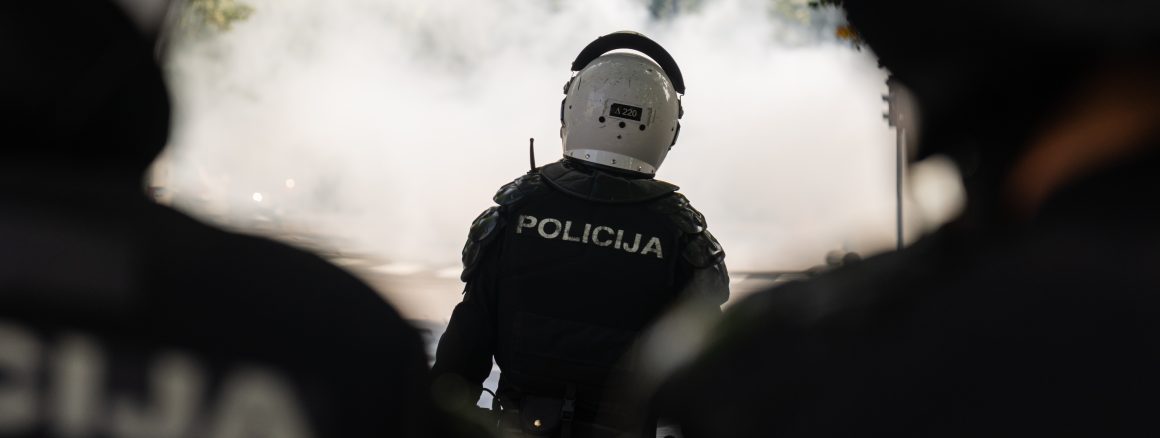
CIN-CG: MEDIA REPORTING ON THE CETINJE TRAGEDY
February 10, 2025
Rubbing Salt in the Wound
Following the mass murder in Cetinje this January, several Montenegrin online media outlets have published articles regarding the case which spread hate speech, discrimination, and disinformation, while regional tabloid media often violated ethical standards.
Most Montenegrin media reported on the tragedy in Cetinje professionally, with some even disabling comments under published articles to prevent the spread of hate speech and exploitation of the tragedy. However, according to experts in the country, regional media inclined toward tabloid-style reporting were the ones spreading harmful content.
Aco Martinović shot and killed 13 people, including two children, and seriously injured three others in Cetinje on January 1st, before taking his own life. It was the second mass murder in the city in less than three years. In August 2022, Vuk Borilović killed ten citizens, including two children, and wounded six others.
As a result of the coverage of the tragedy, the Council of Montenegro’s Agency for Audiovisual Media Services (SAMU) launched proceedings against Serbian TV stations Pink and Happy on the basis that they violated the Convention on Transfrontier Television by broadcasting content that undermines dignity and incites hatred, intolerance, and discrimination based on nationality.
In Montenegro, the lack of responsible and professional journalism was highlighted in several articles published by the portals Borba, Aktuelno, Antena M, and IN4S. These articles used offensive and stereotypical language, encouraging violence and intolerance among different ethnic, religious, and national groups.
On social media, numerous comments and posts appeared that dehumanise the residents of Cetinje, attributing the tragic event to the city’s collective mentality.
Four cases have been opened so far at the Higher State Prosecutor’s Office in Podgorica concerning social media posts and comments related to the event. The Prosecutor’s Office told CIN-CG that the cases are in the investigation phase, involve multiple individuals, and that after all data is gathered and identities are confirmed, it will be determined whether these individuals will face criminal or misdemeanour charges.
According to the Law on Public Order and Peace, anyone who insults another person based on nationality, race, religion, ethnic origin, or other personal attributes can be punished with a fine or up to 60 days in prison. The criminal offense of inciting national, racial, or religious hatred, or publicly encouraging violence or hatred against a group or a member of a group based on race, skin colour, religion, origin, language, state, or national affiliation, carries a prison sentence of six months to five years.
Experienced journalist and representative of the Montenegro Media Union, Predrag Nikolić, told CIN-CG that most media outlets acted fairly and professionally after the tragedy in Cetinje. His colleague, Olivera Nikolić, director of the Montenegro Media Institute, added that most media, especially in the first hours after the tragedy, avoided sensationalism, unverified information, speculation about the number of victims and injured, and the motives behind the crime.
“The media showed sensitivity to the pain of the victims’ families and friends, the assumptions about the motives behind the crime, and details from the perpetrator’s private life,” she emphasised.
Predrag Nikolić added that “a small portion of the media, through statements and analyses by certain ‘analysts,’ fuelled hate speech and nationalism, which flared up on social media after the Cetinje tragedy.”
He points out that the real issue is that institutions have not provided answers to key questions about this tragedy, which has deeply traumatised society. “Instead of facts, we received individual ‘investigations and forensics,’ mostly tinged with nationalism, which are now spreading across social media,” Nikolić observed.
Unfortunately, according to the director of the Institute, this tragedy has once again been used by certain media outlets to attract readers and score political points through hate speech, prohibited rhetoric, sensationalism, and crude reporting. Serbian tabloids and television channels led the way, along with some Montenegrin platforms already known as sources of hate speech.
A Tragedy Exploited for Nationalist Agendas
The article titled “The Thirteenth Victim of the Saint Sava Ritual Massacre in Cetinje,” published on the portal Aktuelno, has sparked strong reactions from both the public and authorities.
This article, allegedly written by members of the Montenegrin diaspora from various municipalities in the United States of America, links the mass killing to the Serbian Orthodox Church (SPC), referring to it as a “Saint Sava sect” and associating it with ritual killings by cults.
Montenegro’s Minister of Culture and Media, Tamara Vujović, condemned the publication of this text, highlighting the serious societal consequences such narratives can have. She stated that the article “represents a direct threat to our fundamental values of unity and multiculturalism,” according to a media statement.
Vujović emphasised that most Montenegrin media demonstrated a high level of professionalism and responsibility in reporting on the tragedy. “However, irresponsible media outlets like Aktuelno not only violate journalistic ethical standards with such content but also cross all boundaries of freedom of expression, which is unacceptable in a democratic society,” the statement read.
The portal Borba, in response to the Aktuelno article, published a piece titled “Rabid Dukljan Fascists from Distant America and Foreign Troughs Spew Hate on the SPC for the Cetinje Massacre, Calling It a Svetosavlje Ritual Massacre”. This article is also filled with aggressive language, stigmatisation, and incitement to hatred.
The day after the tragedy, the portal Antena M published a column titled “Responsibility for the Tragedy and Those Who Rejoice in It,” written by three professors from the Faculty of Montenegrin Language and Literature (FCJK). The column refers to the Serbian Orthodox Church (SPC) as a “pseudo-religious organisation” and accuses Prime Minister Milojko Spajić and Interior Minister Danilo Šaranović of “using the Cetinje tragedy for a diabolical plan to destroy this country,” stating that it is unclear what is worse; their statements on the day of the tragedy or the mass crime itself.
The portal IN4S published an article titled “Mass Murders in Montenegro: National Intolerance as a Catalyst for Violent Tragedies”. This piece revisits the previous mass killing in Cetinje in 2022, framing the motives of both crimes within a national context.
The editor-in-chief of the portal Raskrinkavanje, Darvin Murić, points out that the portal IN4S, regionally known for spreading disinformation, attempted to “explain” how two unrelated tragedies in Cetinje were actually a consequence of national intolerance.
“The new mass murder in Cetinje, in addition to exposing flaws in the system, has also revealed the intentions and readiness of tabloids, government propaganda outlets in Montenegro and Serbia, ‘rogue’ portals, and party/nationalist bots on social media to exploit even the greatest tragedies for nationalist squabbles and political goals. Despite government representatives publicly stating that the deaths of 13 innocent people had nothing to do with politics or nationalism, efforts were made to dehumanise Cetinje,” Murić emphasised in a public statement.
He also pointed out the unprofessional and inaccurate reporting of the Bosnian-Herzegovinian portal Stav, the Belgrade tabloids Alo, Informer, as well as Blic, Večernje novosti, and Srbija danas.
An analysis by the Digital Forensic Centre (DFC) states that the tabloids Republika (Srpski Telegraf), Novosti, and Kurir used the name and legacy of Petar II Petrović Njegoš, a 19th century bishop, poet and philosopher, to frame the Cetinje tragedy within a broader narrative of “curses” and “fateful events”.
“Njegoš’s words and works are taken out of historical context and used for sensationalist interpretations of the event. Articles allude to Njegoš’s ‘curse’ supposedly ‘catching up with Cetinje,’ and mention that his alleged last wish—the chapel on Lovćen—was not fulfilled, creating the impression that the Cetinje tragedy is part of some mystical ‘curse’. It is also suggested that the tragedy is symbolically linked to historical conflicts and themes that Njegoš explored in his works,” the DFC analysis states.
Additionally, it is noted that without any evidence or verified information, guests on certain Serbian television programmes provided speculative analyses of the killer’s characteristics and psychological profile. “Meanwhile, the leader of the Serbian Radical Party, Vojislav Šešelj, claimed that all the victims were members of a so-called ‘satanic Montenegrin church’ and that the conflict was over a house they use as a church.”
Proceedings Initiated Against Two Serbian TV Stations
The Montenegrin Agency for Audiovisual Media Services announced that the Serbian television stations Pink and Happy violated professional and ethical journalistic standards in their reporting on the tragedy between January 2ndand 6th. The Agency stated that the broadcasters analysed and speculated on the causes of the tragedy in an inappropriate manner, without demonstrating compassion.
“The tragic event was exploited as an opportunity to incite hostility or discrimination by using derogatory, offensive, and disturbing language that provokes intense negative emotions. Additionally, the discourse throughout the coverage included belittling and devaluing Montenegrin nationality, denying their national identity and distinctiveness,” the Agency’s statement read.
The Agency highlighted that a particularly serious violation involved the misuse of reporting rights, as the tragedy was framed in a way that attempted to explain or justify it because of “curses” directed at a segment of the population based on their ethnic and religious identity. “By specifically singling out the residents of the Cetinje region, the broadcast content fuelled hostility and intolerance, endangering their dignity,” the statement added.
The Agency also noted that, despite previous sanctions against these television stations in 2020 and 2022, they continue to violate media regulations by broadcasting content that promotes hatred, intolerance, and discrimination. The Serbian Regulatory Body for Electronic Media (REM) has been requested to provide information on the measures taken no later than two weeks after receiving the notice. “It has been emphasised that if violations continue after this period, the Agency’s Council will take steps to restrict the broadcast of these stations in Montenegro,” the statement concluded.
Many Unknowns Surround the Tragedy
The director of the Media Institute, Olivera Nikolić, praised the decision by the daily newspapers Vijesti and Dan to disable comments on articles related to the tragedy, calling it a highly ethical move.
“This is a strong indication of how self-regulation can be a powerful mechanism for managing professional content and steering public debate toward the essential issues raised by this tragedy, rather than toward hatred, identity conflicts, church disputes, and similar divisive topics,” said Nikolić.
However, journalist Predrag Nikolić pointed out that many media outlets failed to seek or insist on answers to the key questions that the public wants to know after such a tragedy. “While the majority of media outlets reported responsibly, it is concerning that many unknowns surrounding this tragedy were left unaddressed,” he concludes.
His colleague from the Media Institute emphasised that the media would play a crucial role in channelling this trauma, steering the dialogue in a constructive direction, and analysing the broader context and causes of the two tragedies that have occurred in the past two and a half years.
“With a professional and ethical approach—giving voice to experts from various fields and shedding light on the issue from multiple perspectives—the media can contribute to understanding the broader causes of the tragedy, helping the community recover, and preventing similar incidents from occurring in the future,” the director of the Media Institute stressed.
The Tragedy Sparks Protests
The insufficient police presence, reckless remarks by the Minister of the Interior, who called the mass killing a “situational event” and urged citizens to return to normal life just hours after the tragedy, conflicting information in the first days following the event, and the prolonged search for the perpetrator—while residents in the small town remained locked in their homes in fear—have all fuelled public disbelief, anger, and demands for accountability.
The informal student group Kamo sjutra launched protests following the Cetinje tragedy, calling for the resignations of Minister of the Interior Danilo Šaranović and Deputy Prime Minister for Security and Defence Aleksa Bečić.
The protesters are also demanding proactive measures from relevant institutions regarding gun ownership, improvements in institutional approaches to mental health care, reforms in police operational structures, and the reintroduction of civic education as a mandatory subject in primary and secondary schools.
Author: Maja Boričić
Photo: Djordje Kostic / Shutterstock.com
Troll of the Month: Serbian Tabloids
February 3, 2025
The Balkan Troll of the Month is an individual, a group of individuals or a media outlet that spreads hate based on gender, ethnicity, religion, or other diversity categories. The Balkan Troll is selected based on hate speech incidents identified across the Western Balkans region.
Three months ago, a concrete canopy collapsed at the main train station in Novi Sad, Serbia, killing fifteen people and severely injuring two. This tragedy ignited widespread public outrage, due to corruption and negligence in the station’s construction, primarily driven by students from universities across the country who blocked almost all state universities for over a month.
The protests, which began in Novi Sad, quickly spread to other cities, smaller towns, and villages. Demonstrators demanded political and legal accountability of public officials and transparency in the investigation process on the canopy collapse. Furthermore, the protesters demanded the publication of all documentation related to the station’s reconstruction, the dismissal of charges against activists arrested during the first protest in Novi Sad in November, and the initiation of criminal proceedings against those who assaulted demonstrators. Many activists arrested at the first protest were very young, some even underage. Even though most were released quickly, five young people spent almost a month in jail “due to the suspicion that they have committed a criminal act of violent behaviour at a public meeting”.
Since November, the movement has gained momentum across various societal groups including university professors, teachers, artists, lawyers, farmers, doctors, and prominent figures who have all expressed their support for the students’ cause and protest.
Nevertheless, despite the scale and peaceful nature of protests, most national media outlets, primarily tabloids, did not report on them professionally and ethically. Quite the contrary, tabloids exploited nationalist sentiments in collaboration with high-ranking government officials, creating narratives including that students and protesters are “foreign mercenaries”. Young people and other citizens participating in protests were targeted based on their political views, ethnicity, or nationality. Manipulating nationalist feelings, tabloids also attempted to discredit the protests by connecting them to Croatia, Albania, and other countries in the region.
For example, Serbian President Aleksandar Vučić used national television coverage on TV Pink to label students as “anti-Serb forces”. He claimed that “Croatian members of non-governmental organisations” had come to Belgrade, allegedly to support student protests, but were actually aiding Croatian intelligence services and infiltrating universities.
In an attempt to undermine the protests, certain media outlets engaged in unethical practices by providing the public with private information of student activists. Tabloid media endangered the safety of students by publishing their photos and disclosing their names. Portal Novosti published names and photos of (Croatian) passports of University of Belgrade students, directly accusing them of attempting to destabilize Serbia. The headline implied that their Croatian citizenship was further proof of the alleged threat, claiming that the destruction of Serbia was orchestrated from Croatia. However, the article was later amended, with their names and passport photos removed. This deliberate exposure of private information not only endangers individuals but also aims to intimidate and discredit those demanding accountability.
Another notable case was a smear campaign against activist and student Mila Pajić, who was very vocal in the early days of protests, as well as during the last wave of demonstrations against lithium mining last summer. Tabloids have been targeting Pajić for months, labeling her an “anti-Serb activist” working against her country. For several days, tabloids published dozens of texts claiming she is “falling apart” and “on the verge of a mental breakdown”, even that she is “secretly being treated in a mental health facility”. These claims are backed with supposed “statements by her closest associates” as well as photos of her that are supposed to prove the claims.
Many texts about her were recently removed from pro-government portals, along with more than 100 other texts in which tabloids presented unfounded information or spread hate speech against those participating in student blockades and protests. The texts were removed at the request of the website hosting companies they work with, due to violations of terms of use and laws of the European Union and Serbia, as Cenzolovka reported. Failing to prove claims made in these texts and fearing sanctions, including the termination of the domain on which they were registered, these portals were forced to remove the content. However, the damage has already been done, as these texts reached a huge audience prior to their removal. The portals did not even address, let alone apologise for their wrongdoings to those targeted or to their readers.
Students and young activists have been relentlessly targeted by government officials and certain media outlets. They have faced detention, arrest, surveillance, and spying.
Ethnic tensions and fearmongering have been weaponised to target activists and students. Rather than fueling political polarization and targeting student activists, the media should stand by them in demanding accountability from the government. The media has the power to amplify calls for justice, investigate the alleged corruption that led to the Novi Sad tragedy, and ensure those responsible are held accountable. Instead of silencing the voices of students, the media should uphold its duty to inform the public of the students’ demands, the broader public dissatisfaction, and the urgent need for transparency in Serbia’s institutions.
In such a political climate and media landscape, citizens can rely on only a few independent national media, as well as local journalists, who are crucial for providing timely, accurate and relevant information.