Author: RDN

STUCK IN THE MIDDLE WITH MEDIA
October 19, 2023
What to read? What to watch? Who to listens to? Who to believe? Can I trust my own judgement?
Gaza. Haiti. Iran. Israel. Kosovo. Myanmar. Nagorno-Karabakh. Niger. Sudan. Ukraine. Wherever there is conflict there are conflicting narratives.
And if you are not in the midst of it you rely entirely on such media outlets as can be bothered to, or have correspondents in place to offer some first hand knowledge.
That decision alone begs many questions. What is newsworthy to our audiences? Too often that depends upon there warring countries’ strategic relevance. Sometimes it is simply a matter of cost, or timing. As each new flare up catches the media’s attention, the last tragic sequence is abandoned, if only temporarily.
At least reporters on the spot can see things with their own eyes, interviews the people most directly affected, and form a view which will help them root their reporting in felt experience. Sights and sounds and smells add a veracity to reporting that distance achieve too achieve.
We must never forget that brave journalists take extraordinary risks, and too often lose their lives or liberty in the process. And we should never forget the local ‘fixers’ and support staff who help to keep them alive and able to send their bulletins home. But that does not resolve the dilemma faced by those receiving if not absorbing their messages.
A Sudanese friend, himself a casualty of civil war, recently asked me why journalists put themselves at risk in such terrifying circumstances as the bombardment of Gaza. It is hard to explain that old journalistic impulse to run towards rather than away from the explosion. “So that we can know what is happening,” I said, “Perhaps in the hope we can do something about it.”
And yet correspondents are frequently asked to provide instantaneous opinions based on hearsay rather than direct experience. An all too common request comes from the safety of the anchor’s chair.
“What are people saying? How are they feeling about recent events?”
Since reporters are themselves often constrained by circumstances that cannot possibly accurately reflect the wide range of opinions which inevitably exists in any society, so what we hear are often the views of those they are most likely mohave contact with. How many of us have taken as our starting point the views of our cab driver, or a trusted fixer, or the officials we rely upon for advice and direction?
And that’s the problem. Situations are complicated and, however hard we try, we carry with us our preference and prejudices. Do we refuse to report opinions we find abhorrent, or give more space to those whose views most closely resemble ours? Reporters often have to swallow hard to overcome doubts about their sources if time and circumstances prevent proper verification. Reputable news outlets at least acknowledge when they cannot independently verify information.
But then there is the question of whose side the reporters are on. In the past good reporters have said that there are times when you cannot but ‘take sides’ especially when you witness atrocities. But having sympathy for victims doesn’t automatically mean you are being partisan.
What type of blame game is being played when a newspaper publishes with harrowing pictures of victims of violence on its front page? Is it taking a stand against the perpetrators? Or is it the usual marketing ploy, with little thought for those who might be traumatised by being confronted by hideous images on the news stand? The reporting of war throws upon many such ethical issues.
Sometimes the context of reporting is determined by the relationship between outlets and government back home. What are the vested interests involved? Where does dispassionate reporting end and propaganda begin? What are the risks in bucking the trend and speaking up for those regarded as ‘the enemy’?
There is a big difference between trying to explain and understand the root causes of a conflict and actually taking sides. It is a distinction rarely acknowledged by those in power, as many journalists have learn to their cost.
The plethora of social media outlets further complicates our understanding of conflicts in the world. As one woman demonstrating on the streets of Paris told reporters. ”There is more than one war going on. The one on the ground and the one online. The Palestinians have won the online war, which is why i thought it was important to come out and show support for Israel.”
But information and opinions online are far less trustworthy than the mainstream media, unless they are clearly from sources who take the trouble to verify facts before publishing them. Euronews, France 24 and the BBC both run verification checks on popular video clips that have spread like wildfire around the world. Few recipients will have bothered to check, or even know how to check the validity of such material.
There are plenty of online guides to finding out how to do a ‘reverse video search’ or a ‘reverse image search’ when in doubt. Nonetheless totally false, if believable, Tik-tok extracts, artificially manufactured images and fake news items regularly enter the realms of public discourse, generating myths and conspiracy theories. The mainstream media is not immune to being hoaxed in this way. And when it happens it further undermines trust journalism.
Small wonder that many people have turned away form reading newspaper or watching the news. It is too depressing/confusing/negative and takes a wrecking ball to mental wellbeing.
Few people have the time, patience or interest to switch between Al Jazeera, BBC, C4, CNN, Euronews. France 24, ITN, and Sky and Twitter as I do, several times a day. That is the privilege of the retired hack and the obsessive news junkie. But at least it gives me an opportunity to allow some perspective into my consumption and digestion of the news. But rarely does it answer all the questions the coverage of conflict inevitably brings to mind.
Author: Mike Jempson
This article was originally produced for and published by Media Diversity Institute. It has been re-published here with permission.
Illustration: Wirestock Creators/Shutterstock.com
Monthly Monitoring Highlights – ethnic tensions, sexism and hate speech
October 12, 2023
Throughout September, the RDN monitoring team has detected a range of hateful narratives and discourse. This month, we have seen gender-based violence, sexism, hate speech against journalists and a rise in ethnic tension.
Gender Based Violence in North Macedonia
During the month of September, a woman was stabbed to death by a person she was supposedly romantically involved with. The person in question stabbed the woman 40 times. Prior to killing her, he also threatened that he would publish compromising and explicit videos which were taken during their relationship. This threat was upheld in the form of blackmail, asking her for money to stop him from acting on such threats.
The victim had reported the blackmail attempts and threats to the police, but no effective action was taken to seriously tackle the issue or to protect her. This situation exposes the potential systematic failures and gaps in addressing and preventing gender-based violence as well as supporting victims of abuse and blackmail. This institutional failure to effectively respond can be attributed to both resource limitations and societal attitudes towards gender-based violence, underlining a lack of commitment and approach to preventing femicide and other forms of gender-based violence. The comment sections on social media networks were filled with harmful misogynistic narratives, which indicate the still present attitudes in society. Media can play a significant role in educating the public on gender-based violence, which can lead to a change in public opinion and awareness on the matter.
Sexism in Albania and Bosnia and Herzegovina
Sports journalist, Tami Kona recently made a sexist statement during an interview for Euronews Albania. His statement was quite discriminatory as he claimed that “women cannot go to the stadium before the men” to watch the matches of the National Team. The journalist was quite indignant about the fact that men ask for tickets for themselves and for their partners. He even went as far to suggest that women may not even know where the Air Albania stadium is located, alluding that women are not interested or informed about sports, and are uninterested in attending the games solely based on their gender.
This case reflects the patriarchal mentality in society where gender stereotypes such as the one that “women are not interested in sports” prevail. Such sexist comments being broadcasted on a national TV channel such as Euronews are extremely harmful as they reinforce the existing stereotypes. Euronews should not have allowed such sexist narratives to be spread on their channel without being challenged.
In the village of Jardol in the municipality of Vitez in Bosnia and Herzegovina, four young people have committed suicide in the past two years. On this occasion, N1 journalists spoke to the local priest Fr. Velimir Bavrka who went on to talk about changing values in society. He claimed that the country made women go to work, commenting that “he thinks that women should not be working, mothers need to be at home”. He backed up this claim by arguing that the pay for men should be increased in order to allow mothers to stay at home. He notes that when both parents go to work, it results in children not having conversations, prayers at home or any dialogue, which according to him, leads to them being vulnerable to various influences.
Arguing that women should “stay at home” is a very discriminatory statement. Narratives such as this not only present the emancipation of women as an “enemy” of a healthy community, but also reduce women solely to the role of mother. Women and men are equal and autonomous, and therefore, should be equally allowed to make the decision to go to work or to stay at home. This is not something which should be enforced on either gender. The role of media should be to look for other opinions and challenge this kind of stance with arguments, rather than just presenting them without a critical lens, particularly when such a sensitive topic as suicide is in question. This stance can be seen as insinuation that women are to blame for the suicide rate among youth, which is a harmful message that some readers could pick up.
Hate speech against journalists in Montenegro
In Montenegro, the president, Jakov Milatović, threatened daily newspaper Pobjeda by saying that it is connected to a criminal group that dug a tunnel between the Higher Court in Podgorica and an apartment nearby. He claimed that “Pobjeda is financed by the same people who made this tunnel”. Milatović’s accusations were triggered in response to Pobjeda publishing an investigation about Milatović, trying to prove his involvement in arms sales. In reaction to this, the Institute of Media in Montenegro responded by condemning Milatović’s statement.
Pobjeda is a daily newspaper that reported in favour of Milo Đukanović and the Democratic Party of Socialist who lost the elections to Milatović back in April. Nevertheless, despite supporting a political opposition and holding varying political opinions, this does not justify accusations being made with no evidence. This is particularly applicable to accusations that have the potential to undermine credibility and significantly damage the reputation of individuals or groups, such as in the case of the daily newspaper, Pobjeda. Milatović, an individual who holds an important, powerful position, should be held accountable for his actions and words. He should not be using his platform to direct accusations and hate towards a media outlet.
Ethnic tensions in Kosovo and Serbia
In the early hours on Sunday, September 24th, in Banjska/Banjskë, a village near Zvečan/Zveçan in the Serb-majority north of Kosovo, there was an attack lead by a heavily armed group of Serbs in which a Kosovo police officer was killed. In the clashes that followed, three Serb attackers were killed. As the investigation is still ongoing, many details of the event are not yet confirmed.
The attack caused a rise of ethnic tensions, amplified by harmful media narratives. In Serbia, the media published very scant information in the first few days including some misinformation and disinformation that was later proved wrong. The mainstream media also reported and continues to report on this situation in a sensationalistic manner often using emotionally charged language.
On the day of the attack, most media in Kosovo were careful in their reporting, only using the official information of the Government of Kosovo and referring to statements of international representatives. A smaller number of online media used this situation for sensationalist reporting. There were instances of unverified information and disinformation.
Some portals published photographs claiming to be of the killed police officer and attackers that were later proven as false. Furthermore, there was false information on how the Wagner group, a Russian state-funded private military company, was involved in the attack, and wrong speculations on the number of dead.
Mutual accusations for the attack started when Albin Kurti, the Prime Minister of Kosovo, accused “the official Belgrade” for the attack, and president Vjosa Osmani followed, as well as others. Later, public officials in Serbia led by Aleksandar Vučić, the President of Serbia, blamed Kurti and his regime for the attack and used harmful language that was later repeated and amplified in the mainstream media.
A National Day of Mourning was declared in Serbia on September 27th “because of the tragic events in Kosovo” and an unofficially three Days of Mourning in Serbian communities in Kosovo. According to the Law on the Observation of Days of Mourning, mourning is to be declared “following a particularly severe misfortune resulting in death, injury or serious damage to the health of a large number of people”. Despite the fact that we still do not have official confirmation of what has happened, treating the Banjska events as severe misfortune is highly disputable. On this day, the front pages of national print media referred to the attackers as “Kosovo heroes” and “victims of Kurti’s terror”. The front page of Kurir even talked about “the legalization of the hunt on Serbs” predicting “mass emigration of Serbs from Kosovo”. These are all very misleading headlines and statements, given that they are followed by very few facts.
Media reporting aimed at fearmongering and appealing to nationalistic sentiments contributes to triggering ethnic hate in a situation where tensions already exist, which can have very dangerous effects.
For Kosovo officials, experts, analysts, and the media, there was no doubt that the attackers were a “terrorist group”, that they were armed and uniformed, and that they were citizens of Serbia. Similar, critical views can be found in Serbia as well, but they are rare and not mainstreamed.
The public in both Kosovo and Serbia still does not have official confirmation on what exactly happened in Banjska/Banjskë. Daily reporting on various opinions on what was the goal of the armed group that committed the attack can easily deepen the divide between Serbs and Albanians and impact the daily live of people in Kosovo. Media could and should have an important role in informing the public objectively. However, that is far from reality in the region and can potentially have very harmful consequences.

TROLL OF THE MONTH: Tabloid Alo
October 4, 2023
The Balkan Troll of the Month is an individual, a group of individuals or a media outlet that spreads hate based on gender, ethnicity, religion, or other diversity categories. The Balkan Troll is selected based on hate speech incidents identified across the Western Balkans region.
Alo! is a popular daily tabloid newspaper published in Serbia, with a large readership within the country. This month, on the front page of Alo! a photograph was published of a half-naked woman who was claimed to be working at the prosecutor’s office. The photograph was, furthermore, said to have been taken at the workplace.
By publishing this photograph, newspaper Alo! took part in image-based sexual abuse. Image-based sexual abuse refers to the ‘sharing of sexually explicit images of an individual without their consent. Images are distributed online, such as through email, social networks, porn sites and messaging platforms, as well as offline’. The term ‘revenge porn’ is often used to describe such behaviour however, according to End Cyber Abuse, this does not accurately reflect the scope or motivation as well as the experience of the crime. Furthermore ‘the emphasis on ‘revenge’ shifts the focus away from the harm done, using victim-blaming language’. The term pornography turns victims into seemingly consenting porn actors as it is conflates private visual material with public content.
The sharing and posting of photography without the consent of the individual captured is harmful in any shape or form. Furthermore, sharing such a photograph as the front cover of a newspaper is not only extremely insensitive, harmful, and wrong but also breaks journalistic ethical standards. Using such an image as the front cover in order to gain readership (clicks) and attention is a form of clickbait, and a highly problematic media practice.
Tabloid Alo! not only violated several journalistic standards as well as ethical and moral principles, but it also made claims which were false. This can be seen in the published photo where the allegations made by the newspaper that the photo was taken at the workplace cannot hold true. This is due to the fact that the furniture in the photo does not exist in any prosecutor’s office. In addition, in the text on the front page, Alo! claimed that the photo was distributed to several addresses within the Prosecutor’s office.
The group Journalists Against Violence Against Women reacted to this front cover the day before it was published. In Serbia, the front page of print media is made available to the public online the night before it is made available for sale. They asked what the prosecutor’s office would do upon learning that public officials knowingly participated in this act.
The group ‘advocates that in media reports of violence against women, this issue must be presented, treated, and examined as a social problem’. This includes pointing out its root causes, condemning any form of violence and calling for the perpetrators and responsible institutions to react and ensure protection.
The group warned the newspaper Alo! that the front page of the edition violated all human and journalistic ethical principles not to mention the level of humiliation towards the unnamed woman.
The weekly news magazine Vreme was one of the first media outlets in the country to publish the groups’ statement and write about this issue, resulting in several other media following this example. The prosecutor’s office reaction followed, confirming that these photos were not taken in the prosecutor’s office, as Alo! claims. Moreover, their statement clearly states that “it is very important to determine who shared exclusively private photos with Alo! newspaper and when, and who published them without the permission of the person in the photos”.
Newspapers and the media in general have a platform and influence over the people who read their publications. In this sense, they also have an unwritten moral obligation to ensure that the information they share with the public is accurate and fair. Publishing headlines and front pages like these are extremely harmful. Without any understanding and consideration for the woman in question and the level of humiliation and shame she could be subjected to is highly ignorant and wrong. Tabloid Alo! should firstly, remove this publication to prevent it being further spread in society but also be held accountable for publishing such an image. Most importantly, they should not have done such an act in the first place, and it should not be repeated. Image based sexual abuse is a reality, and one which needs to be accounted for in order to be prevented.

GENDER INEQUALITY IN THE MEDIA
October 3, 2023
THE MEDIA MUST CHALLENGE SEXISM AND GENDER DISCRIMINATION IN ITS OWN RANKS.
At the beginning of September, the news website Kallxo published an article titled “Radio Television of Men” that investigated the recruitment process at public broadcaster Radio Television of Kosovo (RTK) for the positions of deputy director, radio director and head of Shared Services — all senior management positions.
According to the article, Ilire Zajmi, journalist and head of the Professional Training Center at RTK, culture editor Flora Durmishi at Radio Kosova and Mihrie Beiqi, manager for legal issues, faced discrimination in their workplace where they have been for more than two decades.
Although they all had the highest scores in the hiring process, none were selected when the voting reached the RTK Board, which the Kosovar Assembly installed at the end of 2021 with the promise of reforming the broadcaster. The board consisted of four women and four men, a fact that was seen as a step towards gender equality.
Despite the board’s equal gender representation, they did not elect the three women to leading positions. The roles for which they scored higher were given to their male colleagues. This was despite the fact the men received lower scores in the evaluations made by the recruitment commissions.
Almost a year later Zajmi, Durmishi and Beiqi decided to talk about their experience publicly. The three women spoke to Kallxo, which has closely monitored the hiring process, the work of the Evaluation Committee and RTK’s board and management.
While the article tells these three women’s stories and exposes a difficult and discouraging situation, it could have served as an opportunity for reflection and criticism of workplace gender-based discrimination.
Civil society responds — but the media?
Much like in other cases of gender discrimination, civil society organizations reacted within a few hours. The Kosovo Women’s Network, in their public reaction, showed support for Zajmi, Durmishi and Beiqi and said that RTK, as the only public broadcaster, “has an emancipatory responsibility and should be an example of respect for the law and the promotion of the gender equality values in Kosovar society.”
In response to Kallxo’s article, Edi Gusia, head of the Agency for Gender Equality, an executive agency within the Office of the Prime Minister, said: “With the Law on the Protection from Discrimination, the three candidates have the right to file a lawsuit for discrimination up to five years after the discrimination occurred, and at the moment when they realized that the discrimination happened.” Deputies from the main political parties in Kosovo also reacted.
Eight days after Kallxo published the article, the Association of Journalists of Kosovo (AJK) reacted. “AJK considers that this is a lost chance to promote gender equality in RTK, from the part of the Board of this institution, which in its composition reflects gender equality,” their press release says.
As a media outlet that is financed by citizens’ taxes, RTK has a role to play in promoting gender equality, human rights and the democratization of society. Unfortunately, the public broadcaster has failed to pass the test of equality when it comes to these values within their own organization.
MEDIA OUTLETS DID NOT TAKE ADVANTAGE OF THIS MOMENT TO DRAW ATTENTION TO THE ISSUE OF WOMEN’S UNEMPLOYMENT.
Other media outlets have also failed to pass the test. They mainly published the reactions from civil society, politicians, AJK and some individuals involved in the media. But more work is required to achieve accountability and transparency.
Media outlets did not take advantage of this moment and use their media coverage to draw attention to the issue of women’s unemployment. With all these TV debate shows, some of them could have covered women’s employment and the challenges they face on a daily basis in the labor market. They could have invited experts, lawyers, activists to explain why the statistics of the Kosovo Agency of Statistics constantly report low numbers of women in the workforce.
Above all, they had the opportunity to ask the government where they stand on gender justice. They had the chance to remind Kosovo’s institutions, the public and the directors of public and private enterprises that they should adhere to the Law on Gender Equality, the Labor Law and the Law on the Protection from Discrimination.
There is no right answer as to why the media reacted so mildly to this situation. One of the reasons may be that it did not seem as important to them as political events. Another reason could be that media workers decided that this story should not be further publicized. But what if something similar happened in their workplace?
Perhaps the discussion should begin here, with the premise that gender discrimination is fundamentally a political issue and one of utmost importance.
Regardless of the reason for this lack of a reaction, one thing it did was make an already uninviting environment for women even more exclusionary. The sector continues to serve the patriarchy, which is also firmly rooted in many other industries and sectors. On a post related to the article someone commented “the whores work at RTK.” This is evidence of a sexist environment and arguably a result of the media’s failure to problematize sexism and discrimination against women.
Perhaps some expect women to “change their gender” to be treated equally, as one social media user wrote in the comment section of one of the few media outlets that covered the case.
Society has always held certain expectations for women, the time has come for gender equality to become an expectation of society. Cases like this can serve as moments to question exclusionary practices and to insist that the media be a supporter in the effort for equality.
Author: Violeta Oroshi Berishaj
Feature Image: Majlinda Hoxha / K2.0.
This article was originally produced for and published by Kosovo 2.0. It has been re-published here with permission.
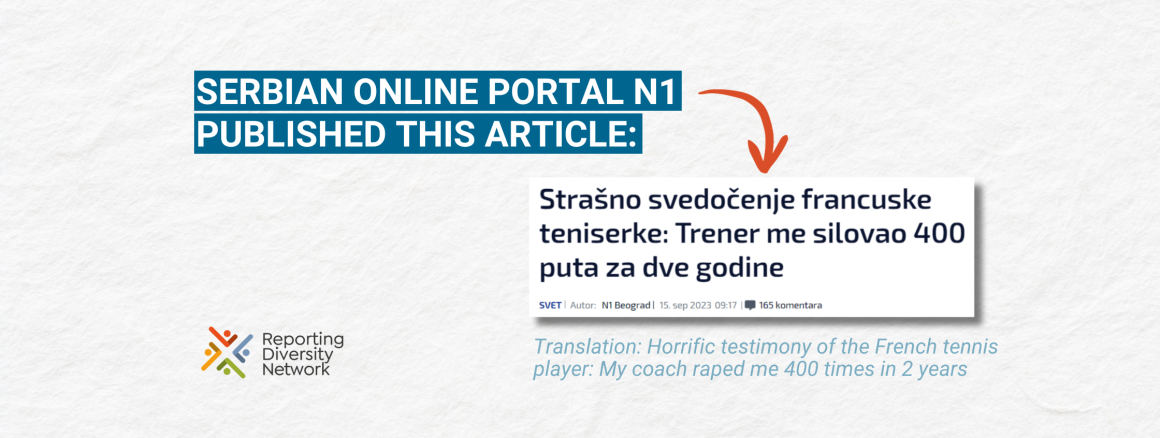
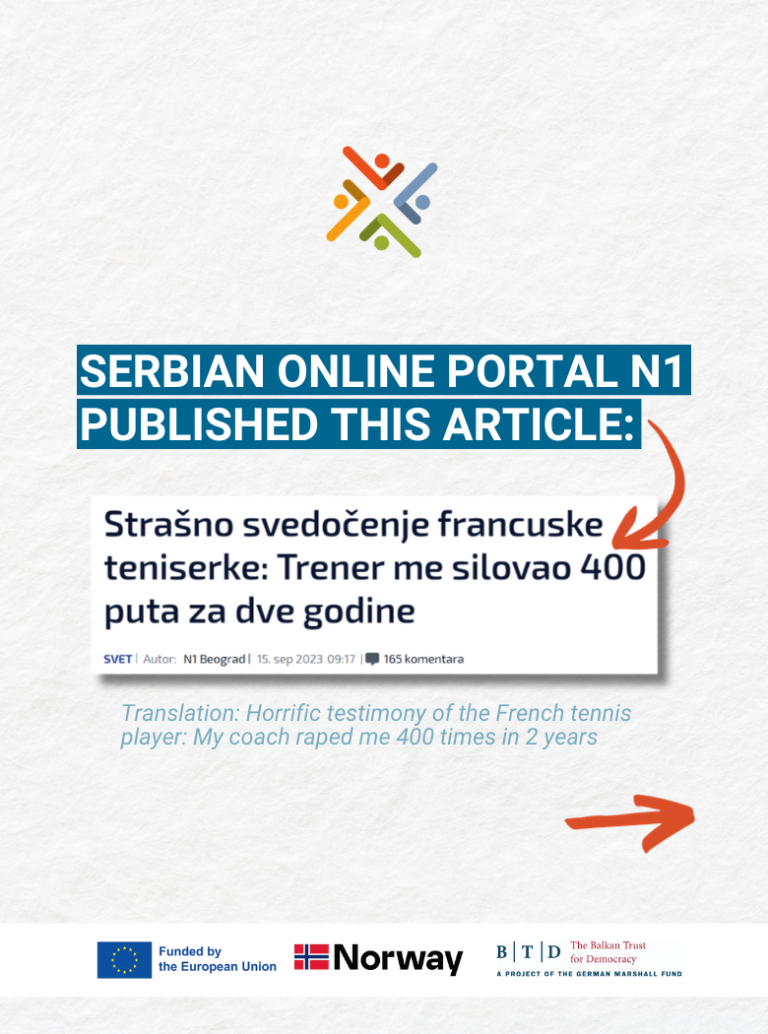
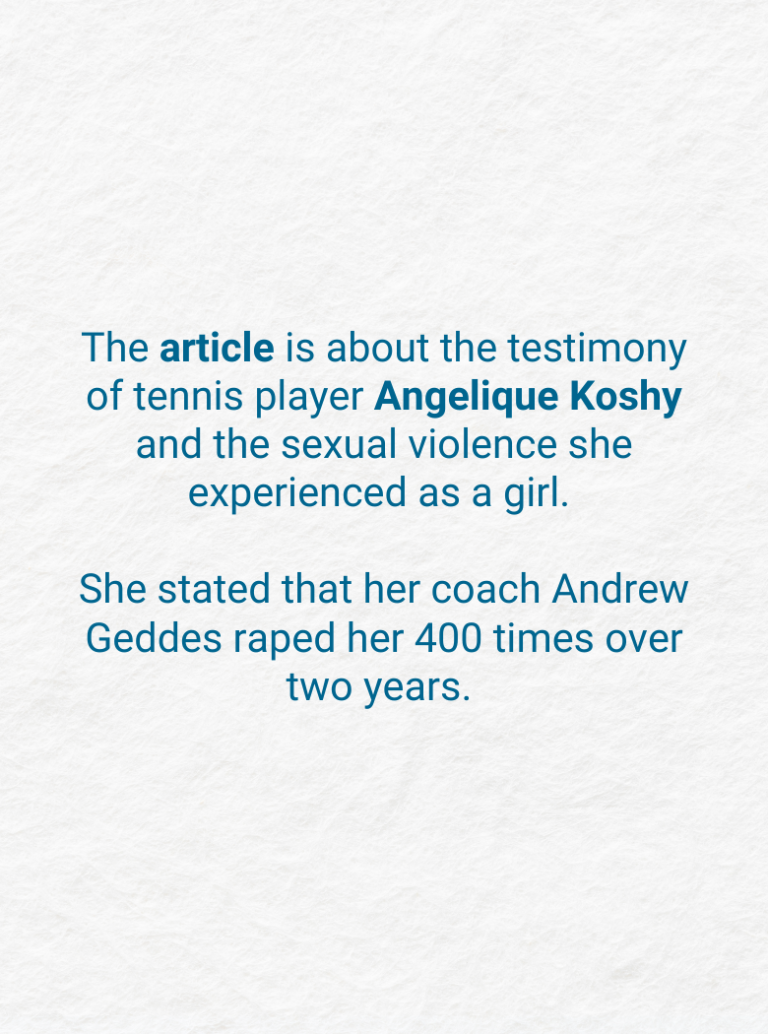
RDN’s request for moderation of the comments under the Serbian portal N1 post
September 21, 2023
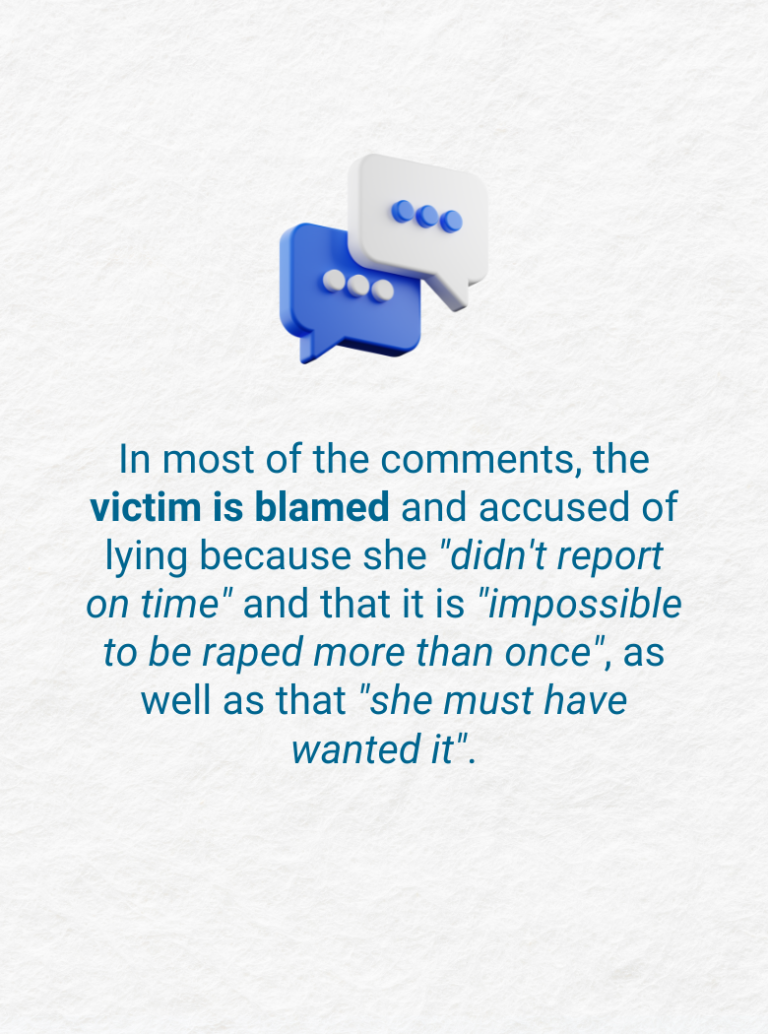
User-generated comments below articles of famous media outlets in the Western Balkans can become a way of spreading harmful narratives.
Even when the media content is produced in line with all professional standards, the comment sections, when left unmoderated, can still disturb the general public.
Simultaneously, the media have the power and the responsibility to educate the general public in order to shift harmful perspectives, and negative stereotypes.

Monthly Monitoring Highlights – discrimination and sensational reporting
September 12, 2023
Throughout the month of August, the RDN monitoring team has detected a range of hateful narratives and discourse. This month we have seen hatred based on gender, disabilities, sexuality, and ethnicity; as well as sensationalism in the media.
Gender discrimination in Serbia
Ivana Parlić, a Member of Parliament coming from the People’s Party recently took to Twitter where she attacked singer and influencer Filip Marinkov known as Filarri, who used to frequently do makeup tutorials at a young age. Parlić went on to attack Filarri for wearing makeup, posting photos of him, and reinforcing gender stereotypes by implying that men cannot wear makeup. Filarri gained more popularity over the past year and was even part of the contest for Eurovision, where he was contesting to represent Serbia in the popular music show last year.
A few days later, Ivana posted a photo of Filarri in which he looks pregnant with the caption: “I am against this. As a woman, a mother and as a Member of Parliament. To make it clear to everyone…this photo was part of a photoshoot he did.” This received a lot of criticism in the comments from various users. Filarri responded with a video addressing the situation saying that he got hateful messages after the posts and holding her accountable. Parlić likewise received sexist and insulting messages directed towards her.
This is a clear example of trolling and attacking an individual. Ivana Parlić is not only an MP who holds a position of power and influence, but also has a professional responsibility to be accountable for her actions. Spreading hate online and targeting individuals is extremely hateful and likewise, no one should be subjected to these type of insults in any shape or form.
Hatred Against People with Disabilities in North Macedonia
Zoran Mijalkov is a civic activist and a father of two children who have autism. Recently he got involved in an argument on Facebook with an online user known as Ranko Srbakoski. During this exchange, Ranko directed several obscene insults towards Zoran and his children, calling the father of two, a ‘rotten seed’ thereby, implying that he is to be blamed for his children’s autism, and that he should stop having children. Ranko also called Zoran’s children ‘sick’ and used a number of other derogatory words. It was unclear what provoked Ranko to share these degrading and personal insults. Furthermore, all comments in question have since been deleted.
The public were quick to respond to this incident, flooding social media with requests for Ranko to take accountability for his insulting comments and pointing out that comments like these can have dangerous implications and consequences especially for the lives of those with autism in the country, and their families. The media also responded to this incident, with leading newspapers and online news channels covering the issue. Furthermore, both Mijalkov and the organisation First Children’s Embassy in the World ‘Megjashi’ filed an official complaint against Srbakoski based on hate speech. According to legal provisions, if found guilty, Srbakoski is facing a prison sentence ranging from 1 to 5 years for hate speech and the promotion of violence on social media.
Seeing such comments and insulting, derogatory language being posted and shared online is extremely upsetting and merely serves to perpetuate harmful stereotypes. Words matter, and they can have a direct impact on behaviour. There is a strong stigma in relation to individuals with disabilities and mental disabilities, and these cases are a result of the constant stigma we see in society. There is also a lot of ignorance and lack of understanding when it comes to (mental) disabilities, Srbakoski’s attitude only contributes to that. Everyone should be treated equally and with respect. All forms of hate, aggression and hateful language should be condemned and accounted for.
Ethnic Discrimination in Montenegro
IN4S is a pro-Serbian portal in Montenegro which recently targeted ethnic Albanians by calling them ‘shiptars’, derogatory term used for Albanian people. This, is an insulting expression for Albanians in Montenegrin as well as other languages in the Western Balkans.
This reaction from IN4S was instigated by a wave of online hatred due to a group of Kosovan young people in Ulcinj name-calling Serbians in Montenegro. They called for violence against Serbs on the day commemorating operation Oluja (Storm) by shouting derogatory chants. Pro-Serbian portal IN4S therefore, responded to this incident by insulting Albanians in their headline.
No matter what the incident or where the source stems from, hate should never be met with hate. There is no justification for the use of insulting, derogatory terminology. Furthermore, a portal which is widely read and followed in the country should not be using their platform to spread ethnic hatred or language.
Transphobia and homophobia in Kosovo
Every August, Prizren hosts the DokuFest, International festival of documentary and short films. This year, Canadian musician Peaches performed at the opening of the festival. Images from the performance which featured revealing costumes caused much controversy amongst the public in the country. Peaches also showed support for the transgender community during the performance. In reaction to this, MPs Duda Balje and Eman Rrahmani took to their Facebook to post several photos from the opening act in which they claimed that such a performance was shameful, and that such scenes and events cannot be funded by the budget of Kosovo.
Adding to this, the head of Prizren’s Islamic Community, Besim Berisha also reacted on his Facebook. He claimed that it was shameful to have such images and messages being promoted at the festival. He also claimed that DokuFest has no values and that children should be kept away from such ‘degeneracy’. In another post, Besim Berisha called for a protest to be organised against DokuFest, and on a post with a photo of the words ‘DokuFest’ was a prohibition sign.
The protest kicked off with a large gathering of people holding up signs and banners which read ‘not with our taxes’ and ‘keep drugs away from our children’. Upon being asked if they believe the Islamic preacher, some of the protestors reacted aggressively and physically attacked journalist Vullnet Krasniqi and his cameraman. This resulted in the Association of Journalists of Kosovo condemning the attack and requesting that the police carry out an investigation for those responsible. The police since confirmed that they arrested one of the suspects, with no other updates just yet.
Here we can see the negative outcomes which stem from hateful speech and the spread of negative attitudes due to the support of marginalised communities in society. Universal equality of treatment should be granted to all. The call for protests and use of hateful language by members of parliament can have serious outcomes and consequences. In this case, we have witnessed a link between violent language and violent acts.
Sensational reporting on femicide in Bosnia and Herzegovina and Albania
On the 11th of August, murderer Nermin Sulejmanović physically attacked his ex-partner and proceeded to broadcast her murder live on Instagram. The same day, he killed two more individuals and wounded another three. While he was being chased by the police, he took to Instagram once more to talk about the murders and to ask his audience to guess how many people he had killed. Altogether it took more than three hours for Sulejmanović’s video to be removed and for his account to be blocked. Before the police could catch him, Nermin Sulejmanović committed suicide the same day.
The live reached over 15,000 views at one point, before it was taken down by the platform. This video also kept gaining more likes, meanwhile his account received more followers before the police and Meta reacted.
The media in the country began to report on the events which took place including republishing snippets of the video itself and various photos of the perpetrator on his motorcycle and in the gym. The media described the event as a ‘family tragedy’, a ‘bloody persecution’ and a ‘bloody feast’ – all extremely loaded terms used to gain the attention of readers, but equally extremely harmful, and insensitive. The media dedicated unproportioned attention and focus to the perpetrator, focusing more on stating details which could result in individuals appraising and sympathising with him, despite him being the perpetrator of a horrific crime.
It is extremely important for the media to report on incidents of violence in a professional manner. As a main source of news and information to the public, the media holds a responsibility and duty to ensure that they are unbiased when relaying information to their readers / viewers. The media has a role to play in raising these issues and holding the rightful institutions accountable to respond and prevent such incidents from (re)occurring in the future. They can also use their platform to raise awareness about pressing issues, such as tackling topics like gender-based violence, which has deep-rooted societal causes and remains prevalent in Bosnia and Herzegovina. Equally, social media platforms should utilise incidents like these to improve on their removal of violent content and improve their mechanisms of response to ensure incidents like these are not repeated in the future.
In Albania, the murder of a 32-year-old woman in the coastal city of Dürres in the beginning of August resulted in insultive news reporting. The woman herself was a sex worker which was met with negative judgement from the media reporting on the event. Many headlines and comments highlighted her job. Furthermore, details of the crime, including photographs from the crime scene were made public through a media frenzy, thereby, completely disregarding media ethics and journalistic standards.
Any victim of murder is a victim, someone who has been subjected to violence and a crime. Regardless of their job or profession in life, they deserve equal respect and consideration. What the job of the victim was has no relevance to the crime itself and does not need to be mentioned or highlighted. Sensationalistic reporting like this is extremely harmful, insensitive, and disturbing. Furthermore, disregarding all standards and practices of ethical reporting by sharing photographs of the scene is furthermore, both wrong and should be accounted for. The media should maintain their professional role and refrain from publishing derogatory headlines and details for clickbait, and should equally take responsibility and face the consequences when disregarding such standards.
TROLL OF THE MONTH: Kosovo MPs Rrahmani and Balje, and the head of Prizren’s Islamic Community Berisha
September 8, 2023
The Balkan Troll of the Month is an individual, a group of individuals or a media outlet that spreads hate based on gender, ethnicity, religion, or other diversity categories. The Balkan Troll is selected based on hate speech incidents identified across the Western Balkans region.
This month’s Troll are two members of Kosovo parliament Eman Rrahmani and Duda Balje and the president of Prizren’s Islamic Community Besim Berisha.
Every August, the city of Prizren in Kosovo hosts DokuFest, an international festival dedicated to documentary and short film. This year, the opening act was delivered by Canadian feminist musician Peaches. During the performance, photographs were taken and posted on social media featuring the singer and two dancers wearing body-revealing costumes. They also showed their support for transgender community which caused a large amount of outcry and backlash.
Amongst those reacting were MP Eman Rrahmani and MP Duda Balje who criticized the opening of the festival. On their Facebook profiles they published several photos from the opening, pointing out that such a performance is shameful and that such scenes cannot be financed and supported by the budget of Kosovo. They also made a point to note that children should be kept away from such ‘degeneration’.
For almost two years now, several MPs in Kosovo parliament have been blocking the adoption of the Civil Code which amongst other things, enables same-sex cohabitation. Many of them openly speak out against the LGBTQ+ community, arguing that they and their voters stand for the ‘traditional family’. They also make the emphasis that religion prevents them from recognizing this union.
Furthermore, the head of Prizren’s Islamic Community, Besim Berisha also took to Facebook to criticize the opening of DokuFest. He claimed that this kind of performance and the messages that were promoted and shared amongst the public were shameful, that the DokuFest had no values, and that children should be kept away from such ‘degeneracy’. In another post on his profile, Berisha called for a protest to be organized against the festival, posting a photo with DokuFest written out and a prohibition sign posted over it.
The Islamic community of Kosovo, like most religious communities in the country, advocates for the traditional family and does not accept people with a different sexual orientation or same-sex marriages.
Following this, the protest did indeed take place outside the main mosque in the southern Kosovo town of Prizren. Those attending the protest held banners against the organisation of DokuFest, as well as slogans reading “not with our taxes”, “keep drugs away from our children” etc. When asked by the journalists whether they believe the Islamic preacher, some protesters reacted aggressively including those who physically attacked a journalist and his cameraman. During the protest, a journalist of the online portal Nacionale, Vullnet Krasniqi and his cameraman were physically attacked by a group of protesters.
The Association of Journalists of Kosovo reacted to this attack on the Nacionale team, demanding that the police investigate and bring the suspects to justice. The police have since confirmed that they have one of the suspects in custody, but have not provided further details on the investigation.
Members of Parliament, individuals with an important platform, power and influence over people’s opinion and decision-making should not turn to social media or any platform to spread hateful language towards the LGBTQ+, or any minority community. This is extremely harmful and can have negative consequences by promoting insulting language, ideas and actions in society.
Universal equality and treatment are fundamental rights that should be extended to all. Labelling and denouncing the actions of a group advocating for transgender and LGBTQ+ rights as ‘degenerative’ is profoundly hateful and offensive. Such behaviour perpetuates and reinforces transphobia and homophobia within society. Furthermore, the call for protest and use of violent language can potentially lead to graver outcomes, as exemplified by the experiences of the members of the Nacionale online portal team.

IN DEFENCE OF DIGNITY
September 6, 2023
In a world filled with increasing awareness and understanding about autism and related neurological conditions, it is deeply disheartening and concerning to come across remarks that not only showcase ignorance but also perpetuate harmful stereotypes.
In a recent incident that has sparked a public outcry in North Macedonia, a private individual named Ranko Srbakoski took to Facebook to air his deeply prejudiced views about individuals with autism, referring to them as “sick and retarded” in an exchange online with Zoran Mijalkov, a human rights activist and a father of two children with autism. Moreover, Srbakoski wrote during their argument on Facebook that Zoran Mijalkov’s seed was “cursed,” because it has two children with autism, implying that he should stop having children. It’s unclear what motivated Srbakoski to issue these comments, as they seem to be unprovoked. At the time of writing this article, the comments in question are deleted, but screenshots are available that clearly show what’s been said by Srbakoski.
Such comments are not only derogatory and misleading but also reflect a dangerous perspective that we, as a society, should wholly reject.
Unsurprisingly, the public was quick to condemn Srbakoski’s comments, flooding social media with calls for accountability and education on the matter. Many pointed out the dangerous implications of such a perspective, emphasizing the negative impact it can have on the lives of individuals with autism and their families. The general consensus was that these comments were not only unacceptable but also perpetuate harmful discrimination.
The media, too, was swift in picking up on the incident as leading newspapers and online news channels covered the controversy. The incident became a focal point for a broader discussion on ableism and discrimination against those with neurological conditions.
In a more formal response, both Mijalkov as well as the First Children’s Embassy “Megjashi,” filed an official complaint against Ranko for hate speech. According to the law, if found guilty, Srbakoski could face a prison sentence ranging from 1 to 5 years for hateful speech and promoting violence through social media.
The incident has served as a harsh reminder that despite progress in awareness and understanding of autism and other neurological conditions, deeply ingrained prejudices still exist. Challenging these toxic viewpoints requires collective action from the public, civil society, legal institutions, and media organizations.
Words matter. They shape our perceptions, beliefs, and actions. Ranko Srbakoski’s comments do not represent the kind of society we aspire to be – one that is inclusive, accepting, and understanding of all its members. We must do better, and it starts by challenging and rejecting such harmful viewpoints.
Photo: Photo Kozyr/ Shutterstock
This article was originally produced for and published by Institute of communication studies. It has been re-published here with permission.

Monthly Monitoring Highlights – genocide denial and hatred based on gender
August 17, 2023
Throughout the month of July, the RDN monitoring team has detected a range of hateful narratives and discourse. This month, we have seen hatred based on ethnicity and gender along with the unsettling occurrence of genocide denial, coinciding with the commemoration of the Srebrenica genocide.
Genocide denial in Bosnia and Herzegovina
July 11th marks Srebrenica Memorial Day and this year was the 28th anniversary of the genocide which took place in 1995 resulting in the systematic killing of more than 8,000 Bosnian men. This year, RDN monitoring team noticed a spike in genocide denial during the anniversary month and especially around the date of the memorial.
Journalist Danijel Simić once again denied the genocide in Srebrenica. Simić is the founder of the media organisation Frontal.rs, which published a series of articles denying the genocide both before and after the 11th of July. On his personal Twitter (rebranded as X) profile, Simić attached one of the articles from Frontal.rs published on the 11th of July with the caption ‘once again, just so you know, NO ONE KILLED 8,000 PEOPLE IN SREBRENICA, JULY 1995’. The article attached and published by Frontal.rs contained the headline ‘In Srebrenica July 1995, no one killed 8,000 people!’ The article’s subheading goes on to call the Hague Tribunal (ICTY) ‘anti-Serbian’ whilst claiming that 3,568 pathological findings were presented, and the analysis determined that the number of exhumed bodies reached 1,923. It then goes on to pose the question as to ‘why then, for decades, have lies been made up that over 8,372 people were killed in July 1995?’
In Bosnia and Herzegovina, a legal ban was brought in place to prevent genocide and war crimes denial as well as the glorification of war criminals if it is ‘likely to incite to violence or hatred’. Genocide denial holds grave repercussions beyond its mere legal implications. It not only signifies a disregard for the victims and their families, but it is also profoundly offensive and unjustifiable.
Ethnic discrimination in Kosovo, Montenegro, and North Macedonia
Throughout this month, Europe has experienced tumultuous weather including the destructive storms in Croatia and Serbia, which resulted in roofs of houses being blown off and vehicles being destroyed. In Kosovo, the media including Koha.net reported on the recent storms and bad weather, informing citizens about the sheer power of the storm and the destructive consequences it had for citizens in the respective countries.
In Kosovo, one such video of storms in Serbia was filmed and uploaded by Koha.net and KTV-Kohavision on Facebook showcasing the scope and strength of the storms. However, commentators on social networks mainly took this opportunity to spread hateful language towards Serbs in Serbia. They published comments that were extremely insulting, saying that they believed that Serbs in Serbia do not deserve to live, that they should be razed to the ground, and that they should disappear. There were few comments that acknowledged that such disasters could happen to anyone.
No event should ever serve as a platform for the propagation of ethnic hatred. Moreover, it is important that the media oversee and regulate the comments on their platforms in order to monitor and respond to the dissemination of hate.
In Montenegro, during the 13th anniversary of the Day Center for Children with Disabilities and Persons with Disabilities in Nikšić, the mayor of the municipality of Nikšić, Marko Kovačević was filmed holding up his middle finger. He was doing so whilst the national anthem was being sung by those attending the event.
As mayor, Kovačević is an important public figure and a member of the government in Montenegro. He is also known for his problematic statements. Holding up his middle finger during the singing of the national anthem was an extremely insulting and disrespectful gesture. Holding a position of power and thereby, influence in the country, Kovačević should know better than to display such gestures and disrespect. In Montenegro, a nation characterised by its diverse ethnic makeup, actions like these can foster divisive sentiments that exacerbate existing tensions between various ethnic groups.
In North Macedonia, thirty predominantly Albanian workers from the Public Enterprise ‘Drisla’ were fired. In retaliation, the fired workers together with their colleagues went on strike in protest and blocked the work of the enterprise. This resulted in garbage in Skopje not being collected for days, which in turn created a revolt amongst the citizens and the political parties ended up pointing fingers and blaming one another. Fired workers, mainly of Albanian ethnicity, were named by a derogatory label and it was insinuated that they were members of a terrorist organisation. Alongside this, various curse words were used for political parties and the mayor of Skopje too.
The labelling and naming of individuals based on their ethnicity, when ethnicity is of no relevance, is highly problematic. Ethnic discrimination holds no place in society and cannot be justified. Furthermore, North Macedonia is a multi-ethnic country where various ethnicities and religions co-exist therefore, by naming and shaming individuals because of their ethnicity, this can only serve to further promote division in society, pit groups of individuals against one another and promote discrimination.
A positive example of inter-religious respect and dialogue in Albania
In Albania, in the context of the recent burning of the Quran in Sweden, which caused a lot of controversy around the world, Albanian media nevertheless took to reporting on the incident in a very neutral manner. The media gave space to Pope Francis’ statement condemning the act of the burning of the Quran holy book and most importantly, in line with Albania’s multi-faith society and peaceful approach to religion, the comments on the social media posts of news items, in this instance on Euronews Albania and JOQ, were predominantly positive. Most believers of the Catholic Church conveyed their sympathy and support for individuals associated with Islam.
The comment section of news items is unfortunately far too frequently used as a space for spreading hate speech and discrimination online, however, as seen by this instance, there are occasions when such a space is occupied by individuals and comments which are positive and supportive. This is a very important example of the positive aspects of social media and the power it can have to bring people together to show their solidarity with a group of people around the world. It can serve to provide a space for inter-religious dialogue and respect.
Gender discrimination in Serbia
On the morning show called ‘Jutro’ on TV Prva there was a debate held on the topic of gender-affirming care and the newly imposed law banning gender-affirming surgery and health care in Russia. The guests invited on the show included Ana Petrović, an activist from the LGBTQ+ organisation ‘Da se zna’, and Aleksandar Šešelj, the vice president of the far-right Serbian Radical Party. During the debate, the host used outdated, incorrect terminology, referring to gender-affirming surgeries as a ‘sex change’, revealing their lack of education on the topic. Furthermore, the host did not react or respond to Šešelj when he used misinformation as arguments and when he addressed gender as an ideology and a danger to children. Although Šešelj didn’t have nearly the same amount of knowledge on the subject of the debate, he was nevertheless granted more time to present his views, taking away the time for Petrović to speak and share her thoughts on the matter.
In Serbian media, it is usual for individuals with right-wing political views to be invited to take part in debates with activists in the pursuit of providing ‘balance’, especially in TV debates on human rights. Here, it is often right-wing politicians and church officials who are invited to provide a perspective from the ‘other side’ rather than experts in their respective fields. Furthermore, hosts are often uneducated and ill-informed on the topics being discussed, resulting too often in the activist carrying the burden of debunking misinformation and providing a human-rights perspective within a tight time constraint. ‘Fake balance’ in the context of the media refers to the media outlets and/or journalists presenting a false sense of balance in their reporting. Balance is extremely important to allow audiences to make informed decisions on critical issues and subjects by being presented different perspectives and opinions on the same matter. Imbalance, caused by either presenting single or multiple but uneven perspectives, can result in an indirect favouring of one argument over the other. The media bears the responsibility to uphold this balance to ensure equilibrium.