Albania
Monthly Monitoring Highlights – July
During the month of July, the RDN monitoring team identified a range of hateful narratives and discourse including sexism and misogyny, disinformation and hate speech and a range of unprofessional reporting from hate speech towards minors to historical revisionism. Relativisation and revisionism in Bosnia and Herzegovina The 11th of July marked the 31st anniversary of the genocide …
Monthly Monitoring Highlights – June
During the month of June, the RDN monitoring team identified a range of hateful narratives and discourse on ethnic and religious grounds alongside attacks on journalists and professionals and anti-LGBTQI+ sentiments. Attack on journalists in Serbia and Montenegro The month of June for Serbia was one marked by a heightened number of attacks on journalists. One involved journalist Kristina …
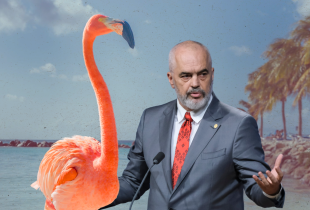
A Lie Has No Legs, Flamingos Have One
What began as a local revolt against the construction of a luxury complex in the protected area of Zvërnec, in Albania, transformed within a few weeks into what is being labelled the Flamingo Revolution. This protest, which has now taken on the dimensions of a broader resistance against a 35-year-old political system, is taking place not …

Troll of the Month: Edi Rama, Prime Minister of Albania
The Balkan Troll of the Month is an individual, a group of individuals or a media outlet that spreads hate based on gender, ethnicity, religion, or other diversity categories. The Balkan Troll is selected based on hate speech incidents identified across the Western Balkan region. Escalating political tensions in Albania marked this month as anti-corruption …
Monthly Monitoring Highlights – May
During the month of May, the RDN monitoring team identified a range of hateful narratives and discourse driven by sexism and misogyny, alongside hate speech and intolerance, denial of war crimes and misinformation. Bullying and misogyny on reality TV in Albania During the last days of April and the beginning of May 2026, the reality TV program “Ferma …
Born as a guest: The unwritten code denying Albanian daughters their heritage
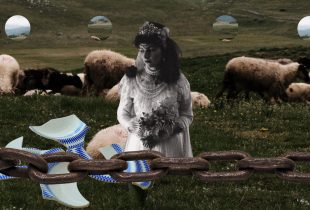
In many Albanian families, the question of inheritance is not decided in courtrooms or by law, but around kitchen tables quietly, almost automatically. Daughters are often left out of these conversations, not because the law excludes them, but because tradition does. For generations, it has been widely accepted that a girl does not truly “belong” to …
Monthly Monitoring Highlights – April
During the month of April, the RDN monitoring team identified a range of hateful narratives and discourse driven by hatred towards people with disabilities, political opponents and journalists, alongside sexism, xenophobia and misogyny. Sexism and misogyny in Albania and North Macedonia On 20 April 2026, Klan TV aired an episode of “Shije Shtëpie” featuring a …
Not Just a Statistic: Media Responsibility in Reporting on Victims of Sexual Violence
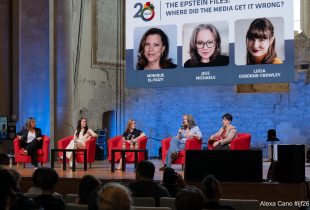
Content warning: This article discusses sexual violence, abuse, and the treatment of victims in media coverage. Some readers may find this distressing. “If you or someone you know were sexually assaulted, would you please stand. If you or that person you know was assaulted by someone they knew, would you please raise your hand. And if you or that …
Monthly Monitoring Highlights: a range of harmful narratives, including those targeting journalists
Throughout March, the RDN monitoring team identified a range of harmful narratives, including those targeting journalists, gender-based harassment, as well as misogynistic, homophobic, transphobic, and Islamophobic discourse. Across the region, these patterns were further reinforced by sensationalist and unethical media reporting, contributing to a hostile environment for journalists, activists, and marginalised groups, and undermining democratic dialogue and accountability. …