
News

SEENPM: Alpac Capital takeover of Adria News Network must be closely scrutinised
We, the SEENPM member organisations in Serbia, Montenegro, Bosnia and Herzegovina, Croatia and Slovenia, express deep concern over last week’s Alpac Capital’s takeover of Adria News Network (ANN). Its portfolio includes N1 in four countries; Nova S, Nova.rs, Danas and Radar in Serbia; and the Vijesti group in Montenegro. These are among the region’s few sizeable, independent, professional and non-nationalist news organisations. (In …

Monthly Monitoring Highlights – July
During the month of July, the RDN monitoring team identified a range of hateful narratives and discourse including sexism and misogyny, disinformation and hate speech and a range of unprofessional reporting from hate speech towards minors to historical revisionism. Relativisation and revisionism in Bosnia and Herzegovina The 11th of July marked the 31st anniversary of the genocide …

Troll of the Month: Snežana Paunović, The Minister of Public Administration and Local Self-Government in Serbia
The Balkan Troll of the Month is an individual, a group of individuals or a media outlet that spreads hate based on gender, ethnicity, religion, or other diversity categories. The Balkan Troll is selected based on hate speech incidents identified across the Western Balkan region. The Minister of Public Administration and Local Self-Government, Snežana Paunović from the Socialist …
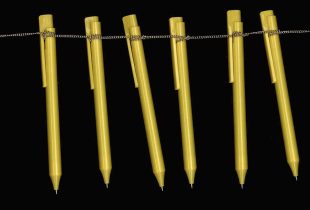
The erosion of media freedom in Kosovo
New report outlines backsliding in press freedom and the urgent remedies needed to change course. Four years ago, a coalition of the world’s leading press freedom organizations conducted a fact-finding mission in Kosovo to assess the climate for media freedom. They left with a cautiously optimistic message. The 2022 mission found a country that, while far …

Women continue to give up their property: the spiral of emotional and social pressure
Although women and men in Montenegro have equal inheritance rights under the law, in practice women continue to renounce their share of inherited property in favor of their brothers, sons, or other family members, often under the guise of acting voluntarily or “for the good of the family.” The state does not keep records of …
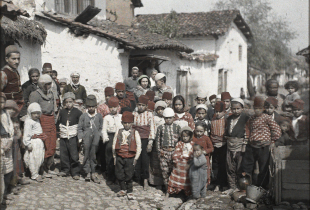
Remembering what is shared
In Kosovo, preserving the history of exchange among communities is an act of anti-ethnonationalist resistance and hope. As a child, searching for depictions of my homeland in the diaspora were always coloured by the persistent portrayal that Albanians and Serbs were forever at odds. Every headline seemed to reinforce the same narrative: our communities were …
Monthly Monitoring Highlights – June
During the month of June, the RDN monitoring team identified a range of hateful narratives and discourse on ethnic and religious grounds alongside attacks on journalists and professionals and anti-LGBTQI+ sentiments. Attack on journalists in Serbia and Montenegro The month of June for Serbia was one marked by a heightened number of attacks on journalists. One involved journalist Kristina …
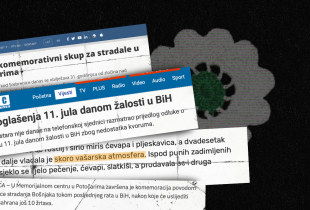
31 years later, part of the media in Republika Srpska still relativises the genocide in Srebrenica
Once again, judicially established facts are omitted, the victims are portrayed through ethnic or military affiliation, and the commemoration is presented through narratives that diminish its importance. Relativisation and revisionism were also present during the commemoration of the thirty-first anniversary of the genocide committed against Bosniaks in Srebrenica in the majority of analysed portals of …

A Lie Has No Legs, Flamingos Have One
What began as a local revolt against the construction of a luxury complex in the protected area of Zvërnec, in Albania, transformed within a few weeks into what is being labelled the Flamingo Revolution. This protest, which has now taken on the dimensions of a broader resistance against a 35-year-old political system, is taking place not …