Author: Ivana Jelača
Monthly Monitoring Highlights February: sexism, gender-based violence, anti-migrant rhetoric, ethnic discrimination, and hatred towards journalists
March 20, 2024
Throughout February, the RDN monitoring team has detected a range of hateful narratives and discourse. This month, we have seen hatred based on gender, ethnicity as well as the spread of anti-migrant rhetoric and hatred towards journalists.
Sexism in Serbia
In Serbia, on Insajder TV, actress Ljubinka Klarić was a guest on the show Treća smena (Third shift), where she talked about her various professional acting roles, but where she also touched upon the topic of gender equality and feminism. She shared her beliefs, including some common stereotypes and misconceptions surrounding gender and feminism, claiming women have already fully established their rights and that there is no inequality in Serbia or Europe today. However, this is far from the reality. Klarić spoke from a privileged standpoint, demonstrating a profound lack of awareness regarding the challenges faced by women who do not share her social, economic, or geographical circumstances. The assertion that women universally do not face struggles is not only ignorant but also dismissive of the diverse experiences and systemic marginalisation faced by countless women across the globe.
Furthermore, when discussing gender-based violence, Klarić shifted the responsibility to the victim, claiming that it is up to the victim to come out and speak up about the violence they endure. She claimed that “it’s your choice whether you’re going to suffer silently or speak up and say, hey stop, this man is beating me”. Whilst it is important for women to speak up about the violence they endured or are still going through, it is a much more complex issue than simply “deciding to speak up”. Advocating for women to simply speak up about the violence they endure overlooks the complex dynamics of gender-based violence, which often acts as a barrier and challenge for victims to come forward.
In response to Klarić’s claims, one of the hosts, Una Senić, reacted accordingly by pointing out that the views of Klarić need to include insights from women from diverse backgrounds and circumstances including the various factors and circumstances which have led to their marginalised position within society. This was a great example of how journalists should recognise and challenge harmful narratives coming from the people they are interviewing, even during live shows. Nevertheless, it is still important to highlight the problem behind Klarić’s rhetoric; as an individual who has a large platform and audience, Klarić should refrain from disseminating harmful rhetoric regarding victims of gender-based violence as well as recognise that the experiences of women globally are diverse and are not all universally shared.
Gender based violence in Albania and Kosovo
In Albania, footage emerged of a 34-year-old man who kept his wife isolated inside their house with surveillance cameras and was seen pushing his wife in front of their children. The footage and images were shared by popular media outlets such as TV Klan and Top Channel and subsequently spread by other media outlets, including Vizion Plus and Ora News, which also drew attention on social media. While the footage and images, even in their blurred state, were intended to highlight domestic violence, their dissemination crosses the boundary into sensationalism and significantly deviates from the principles of responsible journalism. Airing such sensitive material without considering its psychological impact on the children, the woman involved, and the audience at large constitutes a profound ethical lapse. It is crucial to recognise that this content, once circulated on social media, becomes permanently etched in the digital realm, perpetually exposing the women and minors involved to re-traumatization and emotional distress.
Media outlets, including TV Klan and Top Channel, should adhere to professional ethics and moral obligations, eschewing the publication of content that graphically showcases aggression and physical violence against women and children. This type of journalism not only normalises domestic violence but also perpetuates harmful stereotypes, reducing a serious issue to a viral phenomenon driven by clicks and shares and undermining efforts to address gender-based violence. Media platforms must exercise ethical responsibility and refrain from sensationalising such acts, prioritising the protection and respect of individuals’ rights and well-being.
Responsible journalism should seek to inform and educate the public, maintaining a commitment to uphold the dignity and privacy of individuals, especially victims of gender-based violence. By doing so, journalists and media outlets can contribute positively to societal awareness and understanding, fostering an environment that respects and protects those affected by such reporting.
In Kosovo a case of gender-based violence was sensationalised by the media. Drenusha Latifi, former Miss Kosovo, divorced her husband because he was allegedly violent towards her. In the show, Kosova Today (which has just started broadcasting on Klan Kosova TV), she gave details of the violence and showed photos as proof of the violence she endured. She resided with her then husband in Sweden, where due to the violence allegations, her now ex-husband is prohibited from approaching her. She has since relocated to Kosovo, where her ex-husband has also moved. There, he allegedly persisted in pressuring her by publicly sharing telephone conversations on his social media profiles, leading to his detention by the Kosovo Police.
Following Latifi’s appearance on the show, the same media outlet gave the alleged suspect space to present his version of the violence, which he denied. Furthermore, he claimed that he has also engaged a lawyer.
The journalists on the other hand, were very ‘kind’ when interviewing the ex-husband. It must be noted that by inviting a man accused of violence towards his ex-wife to present his version of events risks perpetuating a harmful narrative that undermines the seriousness of domestic violence.
In general, such actions by the media can inadvertently provide a platform for abusers to further manipulate the narrative and discredit their victims, contributing to a culture of victim-blaming and impunity.
Anti-migrant rhetoric in Bosnia and Herzegovina
At the end of February, the most read portal in Bosnia and Herzegovina, Klix.ba, published a biased and one-sided report about migrants crossing the border from Bosnia and Herzegovina to the EU. Referring to the migrants crossing the border, they commented how “migrants came up with a new illegal and violent way to enter the EU from Bosnia and Herzegovina”. The incident referred to a group of migrants who crossed at a small border crossing in a van at high-speed moving from Bosnia and Herzegovina towards the Republic of Croatia.
The online portal reported on this incident without considering the humanitarian context and current situation surrounding migration flows within the country. In the text, the announcements of the border police of BiH and the Ministry of Internal Affairs of Croatia were mentioned, however, there was no description or discussion regarding the crossings themselves as was stated in the headline.
Furthermore, a few days after this article, the same portal, Klix.ba, published an article with a misinformative headline that stated migrants broke through the border of Bosnia and Herzegovina and Croatia with a van. However, the article clearly states that the border was crossed by a citizen of Bosnia and Herzegovina.
Since the migrant crisis in Bosnia and Herzegovina in 2018, the media have been reporting in an unprofessional manner, with some of them spreading hatred towards migrants themselves. The media often accuses migrants of uncivilised behaviour, drug abuse, traumatising the local population, constant fights and robbing citizens. This is a means of fearmongering and fuelling hate towards migrants through panic and accusations. As demonstrated in the headline on Klix.ba, the deliberate choice of words such as ‘illegal’ and ‘violent’ serves to instil fear among the public and depict migrants as inherently dangerous.
Ethnic discrimination in Montenegro
In Montenegro, the Bosniak Party proposed to Parliament to officially recognize the 1924 massacre in the village of Šahovići (now known as Tomaševo) as genocide. The massacre is considered to be the biggest crime against the Muslim population in Montenegro with an estimated 600 Muslims killed, tortured, and raped.
Montenegrin pro-Serbian politician Vladislav Dajković reacted to this proposition in an extremely hateful manner. In a video, which also appeared on his social channels, he characterised the Bosniak Party’s proposal as an intention to label Serbs as a ‘genocidal nation’. In the same video, he went on to deny the Srebrenica genocide. He continued to pose the question whether crimes towards Serbs should be labelled as genocide.
The term “genocide” carries immense weight and should never be misused or trivialized, as doing so diminishes the gravity of the atrocities committed and undermines efforts to prevent such acts from occurring again. Furthermore, the International Criminal Tribunal for the former Yugoslavia (ICTY) and the International Court of Justice (ICJ) have both ruled that the massacre in Srebrenica during the Bosnian War constitutes genocide. Thereby, trivialising this in any shape or form is extremely harmful and constitutes genocide denial. Moreover, the concept of genocide should not be misused for political purposes. It is deeply flawed and morally irresponsible to extrapolate historical events to label an entire nation as genocidal. Such actions oversimplify complex historical contexts and ignore contemporary realities, hindering prospects for reconciliation and peace. Furthermore, using such sentiments to gain political support is both manipulative and harmful. Indeed, there is no such thing as ‘genocidal nation’.
The Balkan region has faced many conflicts throughout history, however, it is crucial to prioritise reconciliation over perpetuating division. An individual and politician such as Vladislav Dajković should be promoting peacebuilding and cooperation rather than division in society.
Hate speech against journalists in North Macedonia
In North Macedonia there was a case of hate speech spread by individual Milenko Nedelkovski towards staff of Vistinomer (a fact-checking initiative of the Metamorphosis Foundation). Nedelkovski, in his video post on YouTube titled “fact checkers or f*** checkers”, used his platform to spread harmful labels, hate speech and insults towards the staff of Metamorphosis. In addition to inappropriate comments and insults, he also shared photos and names of the journalists and fact-checkers. Such aggressive narratives put Metamorphosis employees at risk, as clearly shown by inappropriate comments on the post.
Journalists and fact-checkers involved in the fact-checking programme have endured prolonged threats and hate speech, often accompanied by the dissemination of personal information and derogatory remarks. Nedelkovski himself is also a journalist who is well known for spreading hate speech. His recent post appears to be part of a concerted assault on organizations like Metamorphosis, persistently targeting both current and former staff on social media platforms for allegedly removing content from Facebook. These attacks emanate from individuals whose content has been fact-checked on Facebook, as well as from allies of the former government who hold traditional values and promote anti-vaccination and anti-LGBTIQ+ narratives.
The deliberate act of sharing individuals’ names and personal information on social media, especially in the context of an attack, is not only reprehensible but also potentially dangerous, exposing them to harassment and harm. Such behaviour not only violates privacy rights but also creates a hostile environment that undermines the safety and well-being of the journalists and fact-checkers at Metamorphosis.
LOOK ON THE RIGHT: “ANTI-GENDER” POLITICS AND HUMAN RIGHTS ISSUE IN THE WESTERN BALKANS
March 19, 2024
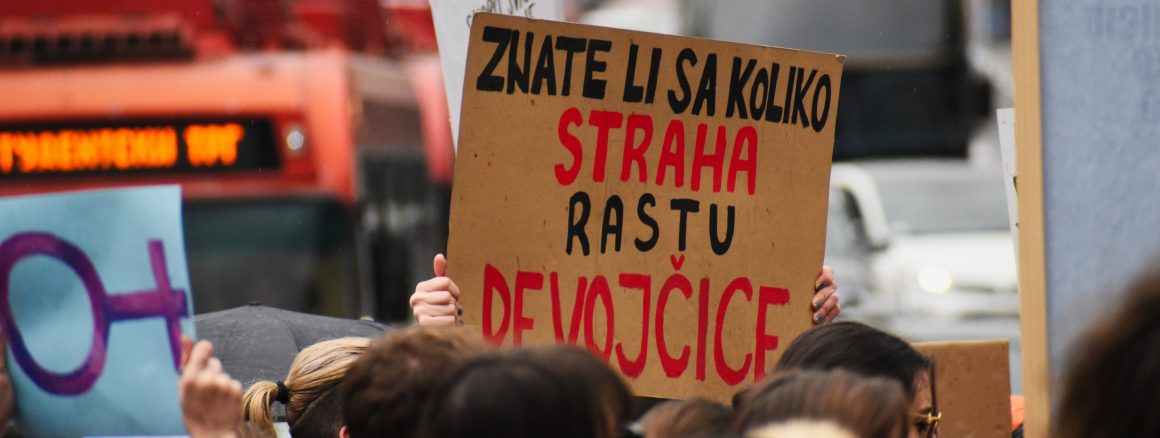
In 2015, a report by the Mediacenter Foundation found that ‘anti-gender’ politics was very much alive in Serbia, Croatia and Bosnia and Herzegovina, lobbying, organising mass protests or public referendums. Nine years on, it is still a major concern. ‘Anti-gender’ politics is one of the most powerful political options, mobilising citizens from different social and economic backgrounds, around different issues: from the protection of the environment, to the protection of human rights and the “natural” family.
How did this policy and its actors become so prominent?
There has been a great deal of very insightful academic analysis of this issue, and I strongly recommend that anyone who wants to write about it or learn more take a look at it. I would like to add a few observations that seem to me particularly important for understanding these politics outside the usual victimhood framework of “us” – the “progressives” – and “them” – the exclusionary camp. In reality, this division is much more blurred than it appears.
Most “anti-gender” organizations are part of what we call, “civil society”. They are legal entities, financed from international or local donors; professionally organized and capable of managing both high-level advocacy with institutions, or grass root mobilization with citizens.
“Anti-gender” politics and its actors are not some kind of crusaders against neoliberal hegemony; although they like to present themselves in that way. As Eva Fodor (2022) brilliantly presents in her book on anti-gender politics in Hungary, once these are incorporated into the official social policy agenda, “anti-gender” ideas became one of the pillars for implementing the neoliberal idea of reducing the social welfare state, whose mechanisms are transferred to the family, i.e. women.
Thus, social policies are focused on strengthening the “natural”, heterosexual family with “proper” national, religious background, so that it can take over the care that was once in the realm of the state. At the same time, “anti-gender” politics do not insist on the “housewife” and “breadwinner” family model. In free market states, everyone has to be employed; the difference is that women have double the burden. They have to work, and also take care of home, children, elderly, etc. with insufficient and conditional financial support from the state.
Finally, “anti-gender” politics do not undermine or negate human rights. On the contrary, their argumentation is quite often based on this idea, only their understanding of the term is more conservative and thus closer to their historical source.[1]
Freedom of expression and “anti-gender” politics
One of the most popular rights that “anti-gender” politics are eager to protect is freedom of expression. In that regard, we have interesting, current case of Mrs. Kristie Higgs in the UK. In 2018, Higgs posted on her social media profile a negative comment about sexual education programmes that included issues such as same sex relationships, and gender fluidity. Upon being reported by parents, the school worker was fired from her job. Nevertheless, she filed a complaint, claiming she was discriminated against based on her religious beliefs. The case is ongoing.
If Mrs. Higgs wins it, this would be a major victory for conservative, “anti-gender” politics, since their claim is that sanctioning “hate speech” only serves to the limiting of freedom of speech; that all those who disagree with the promotion of “LGBTQ ideology” are doomed to spend their lives in courts. As a member of the LGBTQ community, I would strongly disagree on the notion of “LGBTQ ideology”. But, I also disagree with the “progressive” insistence on politically correct speech, so that someone doesn’t get offended.
This case brings us back to the starting point: how do we define this very thin line between “hate speech” and “freedom of speech”? When do my rights become in conflict with the rights of others? Who determines these lines, borders to be crossed or not? Law and legal procedures are not always a good ally in these processes. And I am afraid that we are losing the importance of dialogue from our sights, especially with the ones who we perceive as “enemies”.
Thus, if we continue on solving the disputes through punishing people by firing them; publicly shaming or suing; this will only shut out the possibilities for people to understand diversity. And, it will certainly fuel the rise of anti-gender politics.
Author: Slobodanka Dekić, PhD in Sociology, Faculty of Philosophy, University in Belgrade
Editor in chief, www.diskriminacija.ba
Photo: Bum Realnost, Shutterstock
- For better understanding of the origins of human rights, history and what they fail to include, look at: David Harvey, A Brief History of Neoliberalism, Oxford University Press, 2005. Also, Barbara J. Keys, Reclaiming Americ
an Virtues. The Human Rights Revolution of the 1970s. Harvard University Press, 2014. ↩︎

TROLL OF THE MONTH: Magazine Stav
July 4, 2023
The Balkan Troll of the Month is an individual, group of individuals, or a media outlet that spread hate based on gender, ethnicity, religion, or other diversity categories. The Balkan Troll is selected based on hate speech incidents identified across the Western Balkans region.
The month of June is typically dedicated to LGBTQ+ Pride Month with celebrations and festivities organised throughout the month. In the Western Balkans, several countries hosted their annual Pride parades, including Bosnia and Herzegovina and North Macedonia who celebrated their fourth pride in Sarajevo and Skopje, and Kosovo who organised their Pride parade in Pristina. For those celebrating, Pride is an important time and reminder towards the promotion of human rights and equality for all individuals, and unfortunately, many have taken this occasion as an opportunity to spread hateful and harmful narratives towards the LGBTQ+ community, including various media reporting and the negative public comment section of articles and online media.
In Bosnia and Herzegovina, the annual pride was held for the fourth time in Sarajevo on the 24th of June. A day later, political magazine ‘Stav’ published a text in which it gave a ‘warning to parents to protect their children from the ‘paedophiles’ on social media channels for meeting LGBTQ+ individuals. The text, whose headline read ‘paedophilia on LGBT profiles in Bosnia and Herzegovina’ also had a smaller heading, highlighted in red reading ‘children are in danger.’ Attached to the text, was an upsetting image of a young child with their mouth covered by the hands of an obviously older individual. Violent imagery used in media reports on potential violence can be damaging and retraumatising for victims and others affected by that type of violence – in this case, sexual violence towards children. The media should refrain from using images that simulate or show direct violence.
The article discusses several Instagram profiles aimed towards meeting LGBTQ+ individuals. In these profiles there are screenshots of messages seeking for individuals to date and send ‘hot photos’ whose ages range from 13 years and above. The article includes numerous screenshots from these profiles, including directly quoting some of the messages, in an attempt to highlight the dangerous behaviour and rhetoric on these profiles. Although the article makes a point to not generalise such behaviour, it still suggests that groups named LGBTQ+ on social media include paedophile predators.
The text continues to note that this is ‘not the first time that paedophilia in these areas is closely linked to the LGBTIQ population’ using certain examples and cases as evidence in support of such a statement. The author continues to promote the idea that there are numerous examples of when the LGBTQ+ population has justified their connection with paedophilia. The article even goes as far as to claim that there are claims that paedophilia is slowly moving towards being portrayed as a ‘sexual orientation’. Furthermore, the article criticises the LGBTQ+ community for, according to the text, ‘using children for their own promotion’ as the author claims that many more children are turning up to Pride parades and LGBTQ+ activities since they are attracted to the colours and fun.
The narrative this text uses is clearly aimed against the LGBTQ+ community, even though it is presented as just a concern for children’s safety and protection from sexual abuse on the internet. The author’s examples are concerning, and must be investigated by relevant authorities; however, such examples exist in many similar online channels and groups that are not made for the LGBTQ+ community which the author fails to mention. Instagram profiles where an online user can anonymously look for a relationship are common in the Western Balkans, where many children with profiles can be at risk. The groups the author mentions can also be a threat for LGBTQ+ teens, which is also overlooked in this text. When tackling topics as serious as sexual abuse of children, journalists must focus on ethical reporting of children’s safety. This can be done by providing space in the media for experts whose knowledge can help the broader public to better understand online and sexual violence towards children and learn about preventative methods and online safety. Using this topic to target the LGBTQ+ community breaches professional journalistic standards.
Magazine Stav is a publication which has written about the LGBTQ+ community and the Pride parade in an insulting manner in the past. A magazine like Stav has a large audience reach and should be responsible as well as held accountable for what they publish and share. Linking paedophilia with the LGBTQ+ community is not only extremely harmful, it is incorrect and misleading. Most importantly, using examples from a social media account on Instagram is not a basis or justification to make such serious claims and accusations. Publishing a text like this one which spreads fear and misinformation surrounding members of the LGBTQ+ community can promote homophobia and division in society.

GOVERNMENT AND MEDIA FAILURES IN REPORTING MASS SHOOTINGS IN SERBIA
July 1, 2023
Why did the media and officials get it so wrong when it came to reporting the mass shooting that occurred on May 3rd at the “Vladislav Ribnikar” Elementary School in Belgrade and have they learned any lessons?
The media debacle started a few hours after a student shot and killed nine of his classmates and a school guard. Minister of Education, Branko Ruzic, held a press conference, without providing any real insight into the circumstances that led to the horrific tragedy, presenting the event as a result of “embracing Western values” and naming the internet and video games as culprits. Later in the day, the police chief of Belgrade, Veselin Milic, took an equally dangerous step further. Milic explained in detail the steps taken by the shooter, showing a hand-drawn plan and a list of the names of children the shooter had planned to target. These two moves made by state officials opened Pandora’s box.
Sensationalist headlines followed, along with misinformation about the victims and the suspected shooter. The media also shared details that should not have been made public, including a full name, photographs, and a medical report. Certain media outlets glorified the background of the murderer’s family. They went to the building where he lived, interviewed residents, intercepted neighbours, and wrote about how the suspected murderer was a well-behaved boy. Some even allegedly received information that in a psychiatric hospital the suspected shooter showed no remorse for the crime. Media outlets reported that the only question he repeatedly asked was when he would be released because he knew that as a minor, he could not be held accountable and punished for the crime. Some media outlets said the minor practiced shooting with his father and they shared pictures of the father and son in camouflage uniforms with weapons.
Mother’s attempt to raise social awareness
The shooting was a shocking event for Serbians and it was not easy to navigate or understand. It is logical then to apply the experiences of others in similar situations. After a mass shooting in New Zealand, the country’s Prime Minister Jacinda Ardern did not mentioned the name of the shooter, reveal anything about him, or give him attention. The media did the same and should act as an example Serbia could follow. Like the media in New Zealand, Serbian media should have focused on the victims not the perpetrator..
One mother bravely tried and succeeded, for a short period of time, to change the initial discourse on the tragedy. Only a few days after the death of her daughter, a mother spoke to Nedeljnik and tabloid Kurir about why it is important to change the narrative of violence prevalent in Serbian society. She spoke about the need to reconsider the school system in the country, which does not teach empathy and solidarity. She initiated the discussion in an effort to stop misinforming the public and instead focus on the surviving children. She attempted to unite Serbian society in solving the problems it has to face. Unfortunately, she did not succeed. Narratives directed from the top of the government divided parents into two groups: those who support the normal continuation of education and those who believe that “Ribnikar” can no longer be a school.
And while some media, to a large extent, reported responsibly on the tragedy with respect for the victims and their families, pro-regime media, pro-regime media were following the government narratives. They included sending guidelines to resume classes five days after the shooting. However, this was a trigger for dissatisfaction among parents of surviving children, many media reported on the parents disatisfaction.and all decent media stood on their side.
Unfortunately, this did not include the national television station RTS, which is one of the few channels available throughout the whole territory of Serbia. For parents of surviving children, RTS did not provide opportunities for them to discuss “live” what is important for the families of the deceased and surviving children. The parents were offered to take part in a recording of the show, which would be broadcast later, but they refused. They had no better luck with the private television Pink, which has a national frequency. When the parents requested an appointment to discuss their demands and grief, TV Pink responded that it was no longer a topic for them.
Culture of pain censorship
It was slightly worse, but in a different way – through suppression by silence – for the victims of the mass murder in two villages near Belgrade, which occurred a day after the shooting in Belgrade. This mass murder, the president of Serbia, very wrongly and tendentiously, wanted to present as a terrorist act. His statement was echoed by all pro-government media, although it was not a terrorist act. The shooting in which eight people were killed and 14 injured was covered by the media very briefly. Unfortunately, the families of the victims had no media contacts so they were unable to inform the media of what was happening with the survivors and the families of those who suffered in Mladenovac.
Dr. Ivana Basic, an emotion anthropology researcher, has an interesting thesis about the two shootings and the role of the state and the media. She believes that the shooting in Mladenovac could have been prevented if May 4th had been declared a day of mourning after the shooting in “Ribnikar” on May 3rd. If a decision had been made on May 3rd to end the school year, it would have prevented the media circus with police departments sending letters to schools and the “creating lists of unruly students” scandal, as well as the false dilemma of whether we need psychologists or police more.
Clickbait competition
Instead of romanticizing the perpetrator of the crime and creating an image that portrays him as a hero, victim, or tormented soul by providing statements from witnesses claiming the perpetrator behaved “abnormally” or “irrationally,” speculating or allowing sources to speculate about the mental state or motive of the suspected perpetrator, the state and media should present facts about the perpetrator while characterizing their behavior as illegal and harmful. And certainly, both in person and on social media, speculation, conjecture, commentary, spreading rumors, and misinformation should be reduced.
To prevent the Werther effect – imitation of previous crimes – the Department of Psychology at the Faculty of Philosophy in Belgrade issued “Psychological Guidelines for Media Reporting After Crisis Events”. It states that publishing the perpetrators’ photos, their photos next to the victims, or graphic photos/videos from the crime scene should not be done. By doing so the survivors, their families, and the local community can be retraumatized. Instead, the focus should be on showing respect for the victims and survivors, sharing their personal stories with respect for their privacy. Describing the victims and those affected by the tragedy evokes empathy and encourages the public to understand and adopt their perspective.
In Serbia, unfortunately, this did not happen. As the state presented false questions and dilemmas to the public, there was a domino effect of wrong answers and diversion from the facts about the tragedy and the way forward. Following the tragedy, in an unbearable domino effect of false information, it was reported that the history teacher that had been wounded died and that the injured boy who was in the hospital was in critical condition, when in fact he was in a stable condition and preparing for treatment in America. A claim that TV N1 called for the release of the suspect was also false, while social media spread the news that blood donors who are unvaccinated were being sought. The decision of the Press Council regarding the violation of the code of journalism ethic were in vain.
It is interesting, for example, that in the days following the shooting, very few journalists remembered to bring any positive stories from schools. Journalist Ana Kalaba from the portal Nova.rs did so by publishing a story from a Serbian school where students returned from a competition with many awards, and their schoolmates welcomed them outside the school with thunderous applause.
From the perspective of a surviving child’s mother
Dr Aleksandra Bulatovic, senior research associate at the Institute for Philosophy and Social Theory at the University of Belgrade, and a member of the Laboratory for Philanthropy, Solidarity, and Care Studies, who has obtained a doctorate in the field of criminology from the Faculty of Law, shared her experience from the perspective of a mother of a seven-year-old who survived the massacre.
“It is not unexpected in Serbia for the media to disregard the rules of journalistic ethics and focus on clickbait content. However, it was unexpected that they would not know how to do their job. Instead of doing what is elementary for information-gathering – determining which institutions to communicate with to obtain accurate information and thus immediately detect the problem in the institutional response to the crisis (which continued in its management afterward), the media acted on inertia. They published whatever anyone said, whether with real or false authority,“
Bulatovic told MDI.
She pointed out that: “The problem of verifying the authority to speak on anything related to May 3rd has continued to this day. Fake institutions and experts who are not actually experts, representatives who are not actually representatives, and solutions that are not actually solutions. The media did not make an effort to thoroughly and responsibly inform themselves about everything important regarding the case, including any comparative practices. They did not show that they knew who was who or who could competently speak on which matter. The media coverage was almost completely based on reporting the feelings and impressions of anyone who wanted to say anything about the horrific tragedy that happened on May 3rd. Simply put, the media showed irresponsibility comparable to the irresponsibility of the institutions. In this way, they only confirmed the deep crisis of Serbian society.”
In the end, as the primary impression of media reporting on the tragedy of May 3rd, it remains that non-regime media represented the families of the victims and the surviving children, while state media constantly propagated a culture of pain censorship. And it is precisely this false makeup of reality, Serbian society, and its media that leads to ruin. This phenomenon is excellently defined with a rhetorical question by Dr Ivana Basic: “Do we need a culture of emotional suppression, a culture of fear and pain censorship, a culture from which love and empathy will be expelled? Hasn’t nurturing such a culture led to these terrible crimes?”
Author: Snežana Miletić
Photo: Chaikom/ Shutterstock
TROLL OF THE MONTH: Patriarch of the Serbian Orthodox Church, Porfirije
June 6, 2023
The Balkan Troll of the Month is an individual, a group of individuals or a media outlet that spreads hate based on gender, ethnicity, religion, or other diversity categories. The Balkan Troll is selected based on hate speech incidents identified across the Western Balkans region.
In May, journalist Biljana Lukić tweeted a video in which the Patriarch of the Serbian Orthodox Church, Porfirije, is seen to be insulting women and everyone who supports gender-sensitive language. The video circulated on social media, resulting in a number of reactions from the public.
In the video, seemingly referring to an unknown individual, he went on to label her as wretched and miserable, using strongly insulting language towards her. He, furthermore, commented on all those who support gender-sensitive language claiming that by doing so “you are destroying the essence of our being, and you are there to take care of it”. With this statement, he was implying that women who are in support of gender-sensitive language are going against their naturally imposed roles in society as mothers and caregivers. This message was received by one part of the public as an insult to all women, portraying them and the fight for gender equality as a threat to society.
Following this, the Serbian Orthodox Church published a press release in which it continued this rhetoric, using inappropriate, insulting language, and advocating against the Law on Gender Equality. However, this time it was also directly targeting Brankica Janković, Commissioner for the Protection of Equality, and Zorana Mihajlović, former Minister of Mining and Energy in Serbia. They are both known for advocating for gender equality and more specifically, for gender-sensitive language.
Gender-sensitive language, which promotes equality between women and men, is still much debated and contested by various experts and professionals in Serbia. Nevertheless, the Law on Gender Equality which mandates the use of gender-sensitive language is still in place in the country. Despite varying opinions on the matter, no one should feel discriminated against or attacked for its support.
This is indeed not the first time that the Patriarch has spoken out against gender-sensitive language and the fight for gender equality, labelling it as ‘gender ideology’. During Porfirije’s Easter message on the 16th of April, he urged individuals to ‘stop the violence against the Serbian language’. On this occasion, he also mentioned the Law on Gender Equality, which was adopted in 2021 and which clearly outlines and calls for the use of gender-sensitive language in state administration and the media. He, however, saw this as a ‘fight against marriage and the family’. This statement was widely criticised by the public, with the loudest criticism coming from both Janković and Mihajlović.
Having an important, influential religious figure such as Porfirije make such comments which undermine and disregard the importance of gender equality can be, at least, called disrespectful and discriminatory. Sexist narratives like these are, furthermore, spread and shared amongst the public who can internalise such ideas. Individuals such as Porfirije and institutions like the Serbian Orthodox Church hold a large amount of power and therefore responsibility as well, and should not be using their platform as a means to spread hateful language and sexism in society.
In a country where 18 femicides have occurred since the beginning of 2023, gender-sensitive language and the equal protection of women and their rights are extremely important. In a democratic society, no one should ever be discriminated against or feel threatened due to their fight for equal rights.
HOW THE MEDIA AND INSTITUTIONS FAILED: The harmful effects of sensationalist reporting on mass shootings in Serbia
May 11, 2023
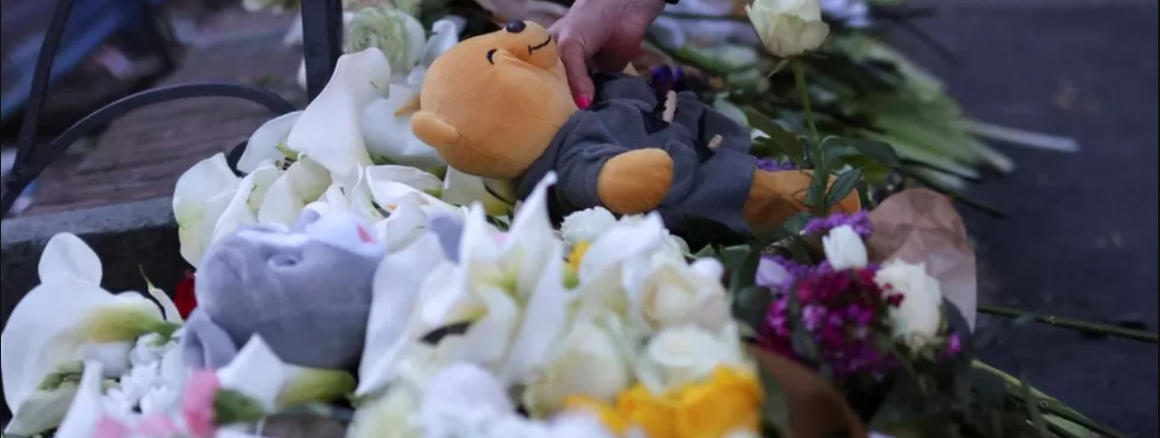
It only took a few hours for a tragedy to become mired in sensationalism, disinformation, and unethical reporting.
In the early hours of the morning of 3 May, eight students and a security guard were killed and six students and a teacher injured during a school shooting in Belgrade, Serbia. This was not only a personal tragedy for the victims, their families, and communities, but a tragic event that struck Serbia’s society as a whole. It was the first time Serbia faced a crime of this scale for a long time.
It didn’t take long for some media to engage in unethical reporting. The media speculated on the number of dead and injured long before parents received official information from relevant institutions on the health and safety of their children. Television channels with national coverage and a large audience such as Pink and Prva also published unverified information about teachers being killed, which was later confirmed not to be true. Apart from being against the law and journalistic standards, this kind of reporting, especially in sensitive situations like this one, is irresponsible, harmful, and can even be dangerous to everyone affected.
TV Prva conducted a live interview in front of the school with a student who witnessed the shooting less than two hours after it happened. Her face was not blurred, and the journalist called her by her first name, further violating her privacy by revealing her identity. Other media outlets shared her statement, amplifying the negative effects. According to Serbian law “The media service provider is obliged to protect the identity of minors, if there are indications that they are a perpetrator, witness or victim of violence, a criminal act or other illegal behavior or if they have attempted suicide.” Media breached the Code of Journalists of Serbia by interviewing students and parents immediately after the shooting. When reporting on violent crimes such as this one, it is crucial to put the dignity and privacy of the victims, witnesses, and everyone affected as a priority.
However, the regulations did not stop the Serbian media reporting on every single detail about the shooting and the people who were affected. The full name, picture, medical reports, and multiple statements the accused 13-year-old shooter gave to police officers and social workers were leaked to the public in a matter of hours and have flooded the mainstream and social media for the past several days. This violates both his and the victims’ right to privacy and therefore is against several laws and regulations, but is also a usual manner of reporting on violent crimes for Serbian media. They are rarely held accountable for it.
Institutions and government officials also failed to protect the privacy of everyone involved, especially minors. At a special press conference that was broadcasted live on almost all television channels with national coverage, the head of the Police Department for the City of Belgrade, Veselin Milić, announced the full name and surname of the accused juvenile perpetrator and quoted the statement he gave to police. He also showed evidence from the ongoing investigation including a sketch of the plan of the school shooting and a list of names being targeted. This was extremely irresponsible and dangerous as the public now had more details about the shooting than it was ever necessary. This trend was continued by the President of the Republic of Serbia himself, Aleksandar Vučić, who, during his press conference, shared in detail information about the accused shooter including about his father, his work and salary, his medical records and the ongoing investigation. After this, the media only continued in the same manner, pushing sensationalist content and republishing information that should have been protected in the first place.
This was not in the public’s interest and has only amplified the negative effects of this tragic event. The media in Serbia are obliged by several regulations to “protect the identity of minors even when this has not been done by a public authority or another person, including another media publisher”. When extensive details about mass shootings are shared in such a way, this can potentially lead to imitating violent behavior and wider effects of social contagion.
Sensationalism in media reporting on the school shooting was not only reflected in thoroughly dissecting this case and everyone involved, but also in repeating harmful messages that amplified the voices of people who were not experts in relevant fields for this topic, but rather just wanted to share their opinion on the event. It is always important that the media only contacts significant and professional sources, which is even more important when dealing with sensitive topics. Tabloids and other mainstream media also created sensationalist “clickable” phrases which have been repeated endlessly, such as calling the crime a “bloody massacre” and the shooter a “child monster”. Such media coverage is unnecessary, not in the public interest, and only serves for clicks and profit. It is extremely harmful to victims, their families and society, as it adds to collective trauma, and incites fear. Excessive details and media attention can potentially increase the chances of such violent crimes being repeated in the near future, therefore further jeopardizing public safety.
The day after the shooting, the news was filled with various incidents at schools across Serbia where children were making threats and bringing toy guns to school. A day after that, the country faced another tragic event – a mass shooting near Mladenovac, in which eight people were killed and 13 injured. Serbia observed three days of national mourning and has an atmosphere of collective shock and great sadness..
As the United States of America has the highest number of school shootings, several USA research papers deal with the effects of media reporting on these crimes. They all share the same findings –harmful media reporting can provoke copycat incidents by people who may see the perpetrators as models or heroes, further traumatise survivors, families, and communities and additionally stigmatise people with mental illness and negatively affect those who are struggling with mental health.
Undoubtedly, the media have a huge role in reactions to violent crimes, and it seems they have failed when reporting on the school shooting in Belgrade. Even though critics immediately warned of the potential harmful effects if their reporting, it seems as if mainstream media learned nothing, as they repeated the same mistakes when reporting on the mass shooting in Mladenovac.
Social media beamed with sensationalist content about the shootings as well, with children and young people leaving comments that make jokes and justify the school shooting, and even videos reenacting the crime. This was another shock and cause for worry in the public, followed by condemnation and misunderstanding. In an interview for Buka magazine, psychologist Ivana Jakšić explained this phenomenon by saying that “Due to the inability to cope with the negative emotions and fears that the event caused them, they show behavior … that is contrary to what they really feel. They will not be sensitive, sad, scared, and powerless, but will laugh in the face of threats, make jokes, and pull pranks”. She added that this behavior should be met with understanding and support rather than judgement. “Such behavior, … should be treated as a serious threat, but above all as a call for help from a child who is suffering. This is exactly why talking with children about the tragic events that marked the previous days is necessary.”
The Faculty of Philosophy at the University of Belgrade recently published Psychological guidelines for media reporting after crisis events which addressed the harmful consequences of irresponsible reporting on children and youth saying that “Sensitive and unverified information, assumptions about persons, personal relationships and events related to them can cause additional confusion in children and young people, feelings of anger, mistrust, and injustice, as well as the feeling that they are not understood by the wider community, which can have serious psychological consequences and slow down the recovery process”. This document also outlines risks and provides helpful guidelines for responsible reporting.
As the media hold a powerful place and have a major influence on society, especially when reporting on violent crimes such as mass shootings, it is crucial to report in a responsible, ethical, and professional manner. The reporting should only provide necessary, verified information, they should refrain from sensationalism and always prioritise the privacy and dignity of the victims, witnesses, their families, and all of the affected. Helpful media coverage on events like this can have a significant positive effect in educating the public and providing comfort for victims and the community. After providing space for everyone to process this tragic event, it is the role of the media to raise important topics such as prevention and understanding of violence, mental health, gun laws, and holding institutions accountable.
Author: Anja Anđušić
Photo: Reuters

Monthly Monitoring Highlights – hateful discourses in the Western Balkans
May 9, 2023
Throughout the month of April, the RDN monitoring team has detected a range of hateful narratives and discourse. This month we have spotted hatred against journalists and political opponents as well as religious, gender, and ethnic discrimination.
Hatred against political opponents in Serbia
In Serbia, during the morning show “Dobro jutro Srbijo” (Good Morning Serbia), on TV Happy, Nenad Čanak, founder and former leader of the League of Social Democrats of Vojvodina claimed that he would shoot at Vojislav Šešelj – the founder and president of the far-right Serbian Radical Party. The following day, Šešelj joined the morning show live where he then insulted Čanak and used insulting words. This entire morning show was filled with hate speech and insults from almost everyone present. Rather than apologising and stopping hateful language and insults from spreading, both individuals decided to confront one another and make offensive comments, using TV Happy as a platform to do so.
This way of communicating with a stream of insults and hate speech is very normalised and frequent on TV Happy. The host and editor-in-chief of the morning programme, Milomir Marić often uses hateful language as well. This is extremely problematic, and TV Happy is responsible for preventing such situations and holding these people accountable for the language they use on the show. This is not the case and none of the two mentioned guests were stopped in spreading problematic and violent discourse.
Religious Discrimination in Montenegro
In Montenegro, the President of the Board of Auditors of the Port of Bar, Miloš Ostojić wrote two posts on Facebook which contained hate speech against Bosniaks. This resulted in him being detained for 72 hours at a police station and subsequently removed from office. On Facebook, he insulted Bosniaks and called Islam a ‘fake religion.’ His comments were aimed at undermining Islam and the Bosniak ethnic and religious minority in Montenegro.
An individual with such an important role and platform should not be spreading hateful comments and sentiments targeting religious communities. This only serves to spread hate and division in society, especially as Montenegro is a multi-ethnic society which has a history of intolerance between various groups based on ethnicity as well as religion. Cases like these undermine religious diversity and inter-ethnic relations more generally.
The fact that he was dismissed sends a message that such behaviour will not be tolerated.
Gender Discrimination in North Macedonia
This Easter, the annual address was delivered by Metropolitan Petar who spread harmful, sexist language criticising and attacking the importance of gender equality. Some of the labels used by Metropolitan Petar regarding gender equality include terms such as ‘poisonous ideology, manipulative terminology, blasphemous, unnatural’ and ‘perverted.’ Indeed, during his address, Metropolitan Petar quoted “Our society is threatened by an even more dangerous, destructive, and poisonous ideology – gender equality!” “This ideology, i.e., manipulative terminology is blasphemous, unnatural, perverted; God created them male and female, and anything else that is changed and different from God’s creation is abnormal and therefore unacceptable.”
During his speech, he also referred to feminism, noting that in the past centuries until its appearance in recent years and the emancipation of women, women used to be wives, mothers, and housewives. However, as he claimed, nowadays, women are often highly emancipated with notable societal positions but often divorced and single mothers. Following this, he also added that when someone demands more or greater rights, they should be aware and equally prepared to perform greater duties because demanding rights without obligations is nihilism. This video was published on YouTube and reached over 2000 views. A religious leader with a large platform and influence over public opinion, should not be labelling gender equality as something which is ‘unnatural’ or be spreading misogynistic and stereotypical narratives surrounding the role and position of women in society.
Ethnic discrimination in Albania and Bosnia and Herzegovina
JOQ Albania, a popular media outlet in the country, is well-known for receiving tips from its citizens on various matters and topics. Recently, they published a reaction of a citizen who had a bad encounter with a group of children part of the Roma community in Albania. This resulted in a headline portraying that citizens are ‘scared of Roma children.’ Not only was the headline suggestive and accusatory, but it was also biased and published in a manner which is typical to JOQ whereby headlines like these incite and invite numerous hateful comments in the comment section. This held true even more on the Instagram post of the article. Comments revealed a deep-rooted hatred and stereotyping towards the Roma community, especially against children who, to this day, still face many problems and difficulties in the country including segregating schooling and lack of housing. Very few of these comments acknowledged the problems associated with this minority in Albania and the institutional and societal barriers they are faced with.
It should also be highlighted that the type of news and media reporting on the Roma community in the Albanian information environment is often conducted in one of two ways; either the Roma community is completely forgotten about (hate silence), or they are associated with negative news. Reporting on the Roma community only in a negative light perpetuates existing stereotypes amongst individuals in society who receive and internalise certain biases towards this community. Rather than reporting on the Roma community in a positive, regular, and realistic manner in order to portray this group of individuals as equal members of the Albanian society, headlines like these only further solidify these prevailing stereotypes. JOQ Albania, which allows such comments to be made online and on their social media platforms, are responsible for maintaining these negative, harmful prejudice and stereotype by allowing them to go unnoticed and unchallenged. Media outlets like these hold a responsibility over their platform and the information which they release to the public along with its negative consequences.
In Bosnia and Herzegovina, the president of Republika Srpska, Milorad Dodik was a guest on the talk show Oko on the Radio Television of Serbia (RTS). In a video which was said to be filmed before the show, Dodik can be seen having a conversation with the host of the show where he uses an extremely derogatory insult towards the family of tennis player Novak Djoković. In the conversation, Dodik offended the family of the tennis player by claiming that they are “difficult people” and labelling them using an extremely derogatory and insulting term which is offensive to the Roma community.
Following the release of the video, RTS claimed that due to a technical error, the snippet of the informal conversation between the host and Dodik was illegally released from their system. They even called for the High-tech Crime Department of the Ministry of Internal Affairs of the Republic of Serbia and the Security Information Agency to determine how the fragment of the informal conversation managed to reach the public. This also resulted in the organisation for Roma rights ‘Opre Roma’ reacting with great outrage, demanding an apology from Dodik and pointing out the evidential “continuous discrimination of Roma in Bosnia and Herzegovina”. A political leader such as Dodik who has both a professional and important role should not be spreading hateful, stereotypical labels which only serve to maintain and reinforce discrimination towards the Roma community in the country.
Hate speech against journalists in Kosovo.
Following the debate on TV7, journalist Valon Syla was attacked after returning home from participating in the debate by three individuals, receiving body injuries. He also suffered head and hand injuries. The Kosovo Police in reaction, launched an investigation. All the media reported this information including on their social media network where a large number of commentators not only insulted the journalist Valon Syla, but many of them also expressed their belief that his ribs and arms should have been broken, and some even called for him to be beheaded. Media organisations, the Association of Kosovo Journalists, as well as the European Federation of Journalists, reacted to this news by calling on the Prime Minister and the Minister of Justice and the Minister of Police of Kosovo to react. The police later confirmed that they had identified and arrested the people who attacked the journalist.
It is believed that this attack was linked with the critics Syla made on his social media channel regarding the local imam who received a Mercedes car as a gift for his retirement. Nevertheless, despite the origin and cause of the attack, no physical violence as such can be justified. The call for violence and negative comments aimed at Syla are extremely hateful and harmful. At the end of the day, everyone has the right to express themselves without the fear of threats or violence.
TROLL OF THE MONTH: Spartak Ngjela, lawyer and public figure
May 4, 2023
The Balkan Troll of the Month is an individual, a group of individuals or a media outlet that spreads hate based on gender, ethnicity, religion, or other diversity categories. The Balkan Troll is selected based on hate speech incidents identified across the Western Balkans region.
During the month of April, in an interview held on Top Channel’s show “Më lër të flas” (Let me speak), lawyer and public figure Spartak Ngjela made extremely harmful statements when referring to victims of rape and sexual violence. During his interview, Ngjela commented that “women can barely resist a man’s gaze and pretend as if they don’t want to have sex” after which he added that “there comes a certain moment when the woman, after starting to tighten from rape, surrenders from pleasure”. Such narratives justify rape and show that rape culture is very much present and has been normalized in the society. Ngjela’s comments make rape sound as if it is not one of the most severe types of sexual and gender-based violence. Furthermore, he argued that “it’s also a girl’s scheme [as in game] to pretend that she doesn’t want to…” which suggests that women play a game and cannot resist but to surrender to the violence. These statements blatantly undermine the severity of rape and gender-based violence thereby, ultimately sending the message that rape is ‘relative’. This was also the message perpetuated through sensationalistic headlines in the media covering the event.
The interview resulted in numerous reactions on social media coming from journalists, analysts, and media personnel in the country. However, the person most responsible and who should be held accountable for spreading such sentiments is Spartak Ngjela who had little to no regard towards victims of rape and gender-based violence when making such statements. Ngjela, who is both a lawyer and a public figure and therefore, holds a certain degree of influence should not be using his platform to spread harmful sentiments and rhetoric which serve to justify, trivialise, and undermine rape and sexual violence.
Furthermore, Top Channel, a national commercial television network based in Tirana which has a large platform and viewership, should not only monitor what is transmitted from their network but they should be taking action when such narratives are spread. By allowing guests like Ngjela to make such harmful, misogynistic statements like these on its platform, Top Channel inevitably permits and inevitably spreads these views to its viewers. It is statements like these, which go unchallenged and uncontested on TV that can result in damaging and problematic ideas to be formed around rape and gender-based violence.
Rape and sexual violence are an extremely serious matter and not one which should be mocked, undermined or in any way trivialised. Top Channel has both a legal and moral responsibility to monitor what is said and permitted on their platform and to step in in cases like these when extremely harmful sentiments are spread, and statements are made. They should also hold individuals like Ngjela accountable for his actions and behavior which serve to trivialise and question rape and gender-based violence. The relativisation of rape and gender-based violence should never be justified – rape is a crime and any act towards someone else without their consent is a form of sexual violence. Attempts to justify this or to think otherwise should not be permitted and unchallenged.
ON FATHERS AND PATRIARCHS
April 27, 2023
CAN A BOY WHO GROWS UP IN A PATRIARCHAL SETTING EVER BECOME A GOOD FATHER?
*The views expressed in the article are the author’s and do not necessarily reflect the views of K2.0 or RDN 2.0
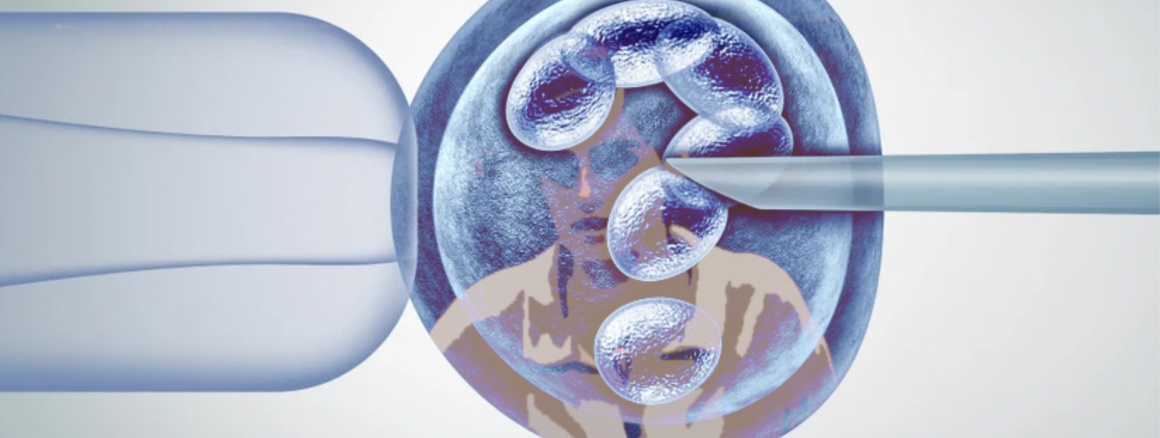
A political debate regarding reproductive freedom and assisted fertility took place in Kosovo’s Assembly in mid March after a new draft law on reproductive health and medically assisted conception was introduced. Deputy Speaker Saranda Bogujevci, who is herself pregnant and unmarried, said that women should be able to make independent decisions related to parenthood. They should trust science.
“Even though I haven’t had the opportunity to be […] married, I wanted to become a mother,” Bogujevci said in the Assembly. “It was important for me what science has to offer to me to exercise that right, and not for it to be determined by a man… that I must have a husband to become a mother.”
Her speech was a response to her male colleague from Vetëvendosje, Eman Rrahmani, who warned about the dangers that allowing “unmarried women” to have a child by a donor will pose to traditional family values. A few days later, on one of Kosovo’s primetime TV debates, two imams (whose opinions are highly regarded in the media) were given the opportunity to criticize Bogujevci and the draft law. One of the imams was particularly alarmed that allowing single women to have children by a donor was a selfish act that would deprive children of fathers and destroy the nuclear family.
This type of glorification of fathers’ roles in children’s lives made me laugh. Apparently if a woman chooses to exercise full autonomy and take the responsibility of becoming a solo parent, she is doing harm to the child by denying them the opportunity to have a father. This had men panicking. “What about the father?!”
It is indeed a valid question. But I would rather try to answer a different question. Can men raised in patriarchal settings ever be good fathers?
First and foremost, one cannot talk about fatherhood without looking into how dominant social norms shape masculine culture and violent tendencies.
Praised for their sex before they’re even born, boys arrive into the world with a sense of entitlement. Their genitals are celebrated with costly and extravagant circumcision parties. As toddlers they are given military toys to play with and are excused when they use foul language. Boys will be boys, we’re told.
From femicide to daily cases of domestic violence, fathers have caused immense pain in our families. Fathers have taken away the lives of their children’s mothers, have broken families apart, have caused extreme emotional damage in children and other family members. Fathers are frequent perpetrators of economic violence as well. Women often must deal with their ex-husbands refusing to pay alimony. Other times their property is taken away from them in divorce. Consequently, these women are left unsheltered and poor. The men who commit these acts are fathers too.
BOYS WHO GROW UP AND ARE SOCIALIZED IN AN ENVIRONMENT DOMINATED BY THE PATRIARCHY AND WHERE MISOGYNY IS THE NORM HAVE LITTLE CHANCE OF BECOMING GOOD FATHERS.
A father who violates and disrespects his children’s mothers (and women in general), cannot be a good father. How a father treats their children’s mother is of utmost importance. And yet, research shows that marital rape is shockingly common in Kosovo and that the courts, and society at large, fail to protect the mothers. Even where there is no physical violence, unequal gender roles in marriage reproduce repressive patterns.
Boys who grow up and are socialized in an environment dominated by the patriarchy and where misogyny is the norm have little chance of becoming good fathers. Patriarchy feeds boys and men with aggression, entitlement and emotional disengagement — the opposite of the qualities that are associated with responsible parenthood.
Being a responsible parent means loving unconditionally, putting others first and making sacrifices for the children. Given the strength of the patriarchal order, such qualities are rare in men, yet fathers continue to enjoy the status quo and a society that coddles them.
The ideal of fatherhood that the imams on TV want so desperately to defend, and which the majority of society appears to be in support of, is at root a patriarchal construct that harms women.
A patriarchal man cannot be a good father because he doesn’t provide the care, respect, emotional labor and effort that we put entirely on the shoulders of mothers.
To inspire a new culture of fathers, we have to demand a new culture of men — men who deliberately let go of privileges passed down through the generations, who choose to renounce their patriarchal upbringing and take full responsibility for their behavior. Such a culture can only emerge through a responsive education system, mental health services, and an improved justice system.
Until we manage to come close to building such a system, we have to stop glorifying the figure of the biological father and make sure that women have the option of getting into a relationship with science.
This article was originally produced for and published by Kosovo 2.0. It has been re-published here with permission.
Author: Shqipe Gjocaj
Photo: K2.0