
Troll of the Month: Media Indeks Online
The Balkan Troll of the Month is an individual, a group of individuals or a media outlet that spreads hate based on gender, ethnicity, religion, or other diversity categories. The Balkan Troll is selected based on hate speech incidents identified across the Western Balkan region. Media Indeks Online, a popular media outlet in Kosovo, published …
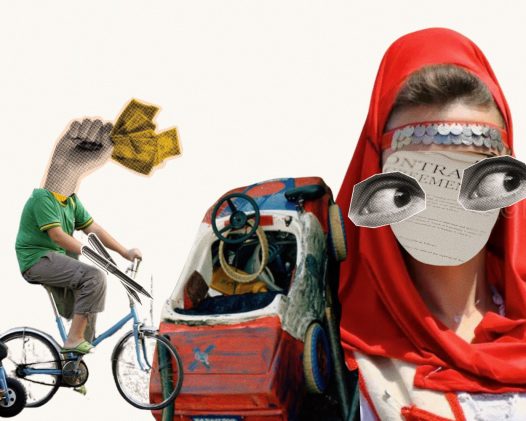
“Everything disappeared in a second”
For years, V.B. believed her father’s property would be divided equally among his four children. She was only eight years old when her mother died. Her father had two daughters from his first marriage and also a son and a daughter from his second. He had repeatedly told the children that each of them would …
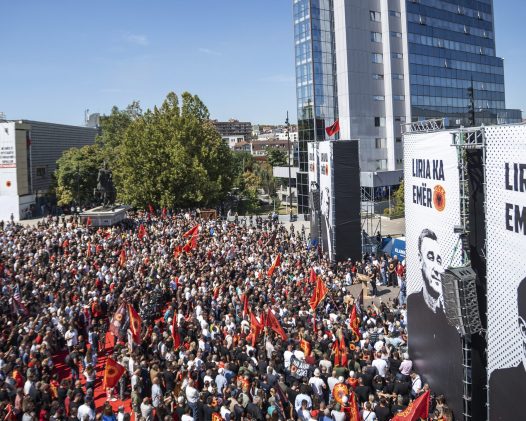
“IN THE NAME OF THE PEOPLE OF KOSOVO” DID NOT FEEL LIKE JUSTICE
The Specialist Chambers verdicts exposed a deeper sense of defeat shaped by unresolved wartime crimes, contested accountability and political failures at home and abroad.On September 16, as the judge in The Hague began reading out the verdict, he said in English, “In the name of the people of Kosovo.” The crowd of thousands of Kosovar …

Monthly Monitoring Highlights – August 2026
During the month of August, the RDN monitoring team identified a range of hateful narratives and discourse glorifying war criminals, unprofessional reporting and direct attacks on journalists and the public. Glorification of war criminal Ratko Mladić in Serbia, Bosnia and Herzegovina, Montenegro and North Macedonia This month marked the death of war criminal Ratko Mladić during his imprisonment in the …
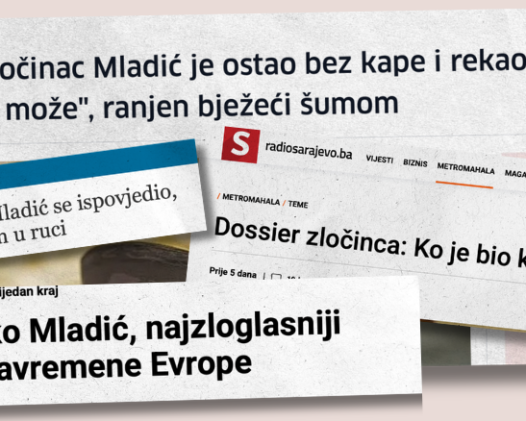
The mind-bending that never ends
After Mladić's death, the public space was flooded with denial of crimes, belittling of victims and glorification of criminals.
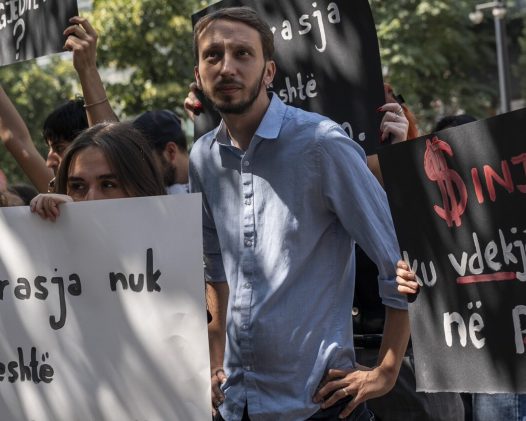
PSE, SI GAZETARE, PROTESTOVA KUNDËR NJË MEDIUMI?
Dje, më 17 gusht, iu bashkova një grupi protestuesish që ishin mbledhur para zyrave të mediumit online “Sinjali” në Prishtinë. Gazetarët i kanë përjetuar protestat kryesisht nga ana tjetër, me bllok në dorë, mjaftueshëm afër për të dëgjuar dhe mjaftueshëm larg për të mos u llogaritur, ndërsa dje isha brenda grupit, dhe për herë të …

TROLL OF THE MONTH – SELECTION CRITERIA
The goal of the Reporting Diversity Network 2.0 monitoring is to identify and document the most significant cases (‘incidents’) of hate speech and divisive discourses in the Western Balkans media. Incidents are defined by the speaker regardless of where they occurred, but monitoring refers to their media coverage. They can originate in the Parliament, party …
WHY DID I, AS A JOURNALIST, PROTEST AGAINST A MEDIA OUTLET?
Yesterday, on August 17, I joined a group of protesters gathered outside the offices of the online outlet Sinjali in Prishtina. Journalists usually experience protests from the other side — press cards in hand, close enough to hear, but far enough away not to be counted as part of the crowd. Yesterday, I was inside …
Troll of the Month: Media outlet Sinjali
The Balkan Troll of the Month is an individual, a group of individuals or a media outlet that spreads hate based on gender, ethnicity, religion, or other diversity categories. The Balkan Troll is selected based on hate speech incidents identified across the Western Balkan region.

SEENPM: Alpac Capital takeover of Adria News Network must be closely scrutinised
We, the SEENPM member organisations in Serbia, Montenegro, Bosnia and Herzegovina, Croatia and Slovenia, express deep concern over last week’s Alpac Capital’s takeover of Adria News Network (ANN). Its portfolio includes N1 in four countries; Nova S, Nova.rs, Danas and Radar in Serbia; and the Vijesti group in Montenegro. These are among the region’s few sizeable, independent, professional and non-nationalist news organisations. (In …
Monthly Monitoring Highlights – July
During the month of July, the RDN monitoring team identified a range of hateful narratives and discourse including sexism and misogyny, disinformation and hate speech and a range of unprofessional reporting from hate speech towards minors to historical revisionism. Relativisation and revisionism in Bosnia and Herzegovina The 11th of July marked the 31st anniversary of the genocide …